Resource Guide

November 3, 2026
How Severe Epilepsy in Children Can Cause Them to Be Medically Fragile
An estimated 456,000 American children live with epilepsy. When epilepsy becomes medically complex, it can impact nearly every aspect of a child’s health and require continued around the clock level of care.

October 1, 2026
What is Epidermolysis Bullosa?
Epidermolysis Bullosa (EB) is a condition that’s often seen at birth or shortly after. It’s a group of rare diseases that cause skin to blister easily. Because a baby’s skin is extremely fragile, everyday care — such as diaper changes or soft touches — can lead to blisters and open wounds. Kids with EB are often called…

July 31, 2026
Pregnancy After Loss: 7 Things to Consider Before Trying Again
The decision for a pregnancy after child loss is personal and 100% between you, your partner, and your physicians. For some parents, the desire to try again feels immediate. Others may feel afraid, emotionally overwhelmed, or uncertain about whether they want another pregnancy at all. In some cases, infertility or recurrent pregnancy loss may already…
June 24, 2026
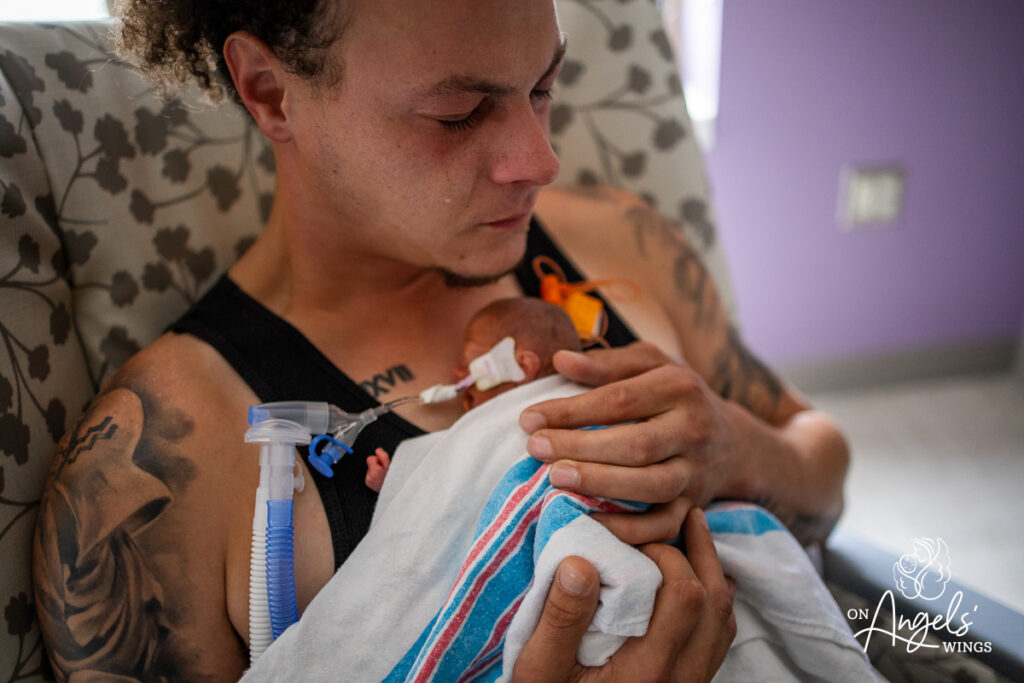
Life After Loss: Finding Your Way After the Death of a Child
Navigating life after loss of a child can feel impossible. This compassionate guide offers gentle ways grieving parents can begin reintegrating into daily life while honoring their child and their grief.
March 30, 2026
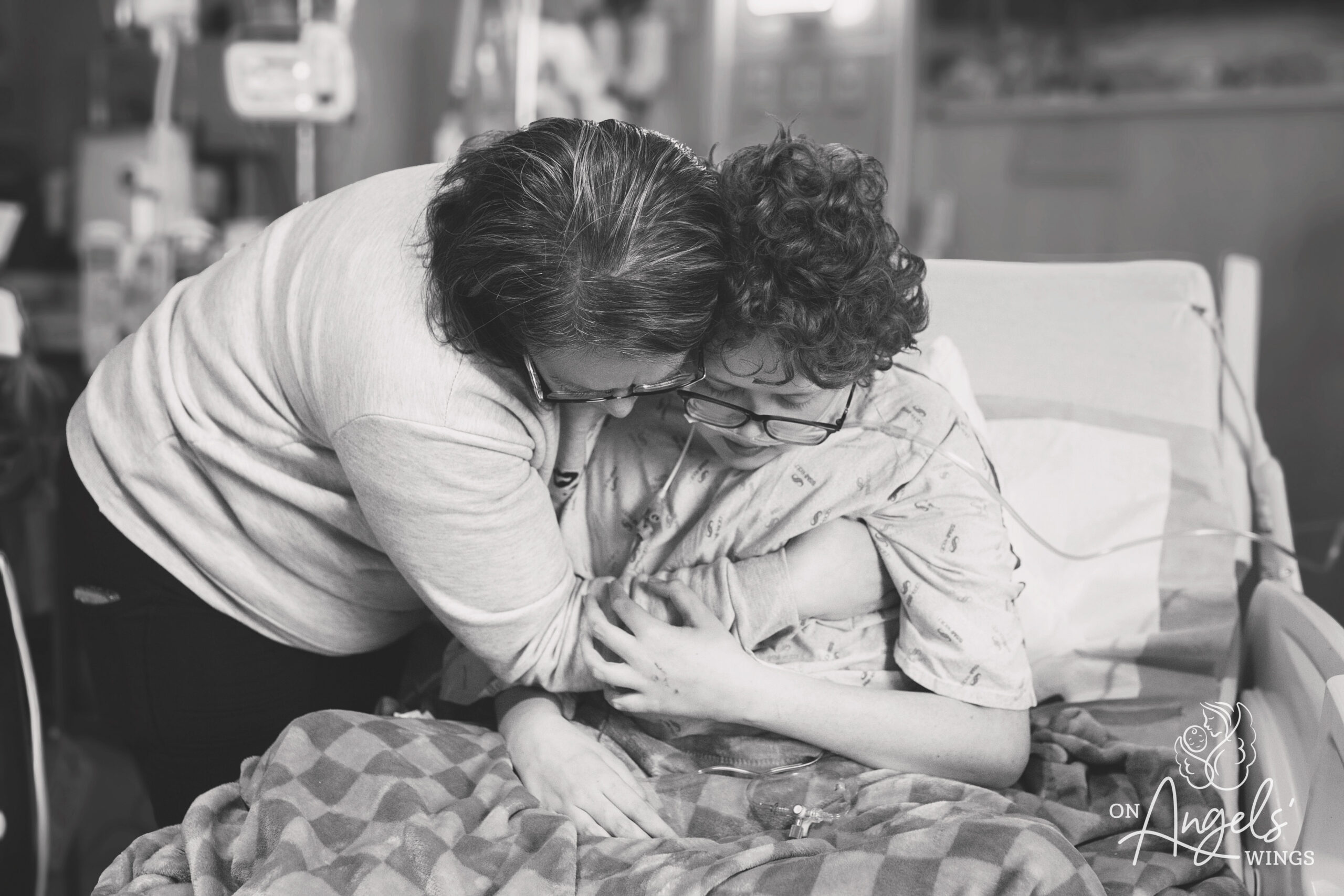
How Do I Talk to My Child About a Medical Diagnosis?
One of the most difficult parts of receiving a life-altering diagnosis for your child is often trying to explain that diagnosis to them when they just want to laugh, play, and just be a kid. It’s important to start with honesty, not perfection.

January 15, 2026
Rare Diseases Month: A Look at Rare Childhood Diseases
Learn what rare genetic diseases in children mean for families, including Lissencephaly, Sanfilippo & Leigh Syndrome, plus support resources for caregivers.
October 22, 2025
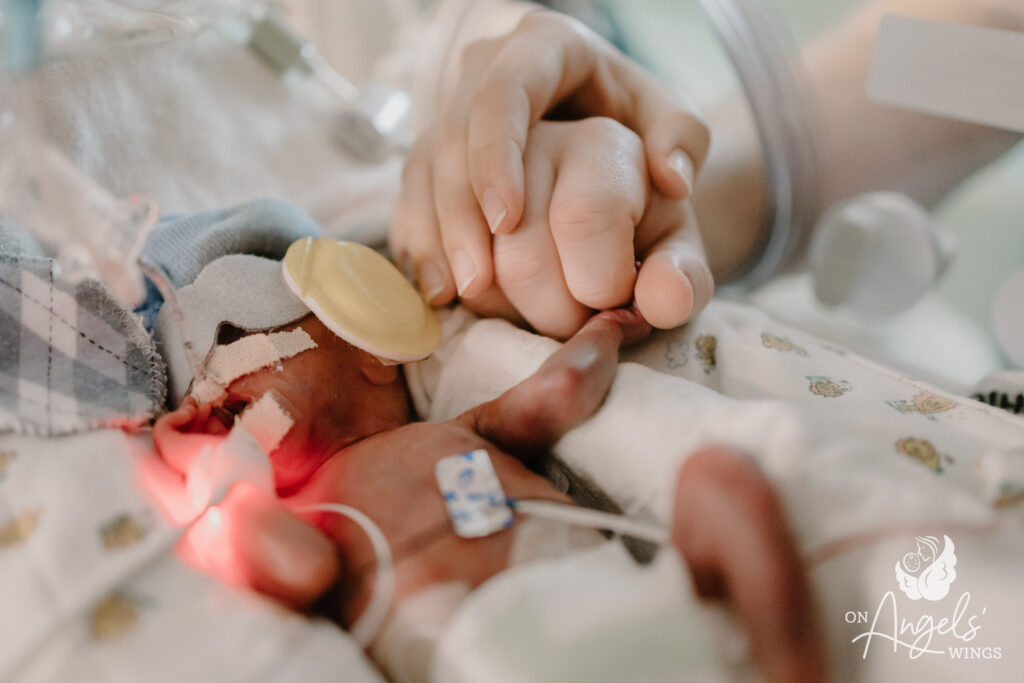
Premature Birth Signs During Pregnancy to Be on the Lookout For
Discover what to look for when it comes to premature birth signs and symptoms and what to expect with early deliveries.

September 23, 2025
A Look at Why Stillbirth Still Occurs (+ Support Resources)
Learn more about what stillbirth is, why stillbirth still occurs, and stillbirth risks to help educate yourself and others about this difficult-to-talk-about topic.

August 28, 2025
What is Acute Myeloid Leukemia?
Acute means “fast-growing,” and in the case of Acute Myeloid Leukemia (AML), the body makes too many immature blood cells that don’t turn into normal white blood cells. Because AML is a fast-growing cancer, the signs and symptoms are typically caught early.
May 23, 2025
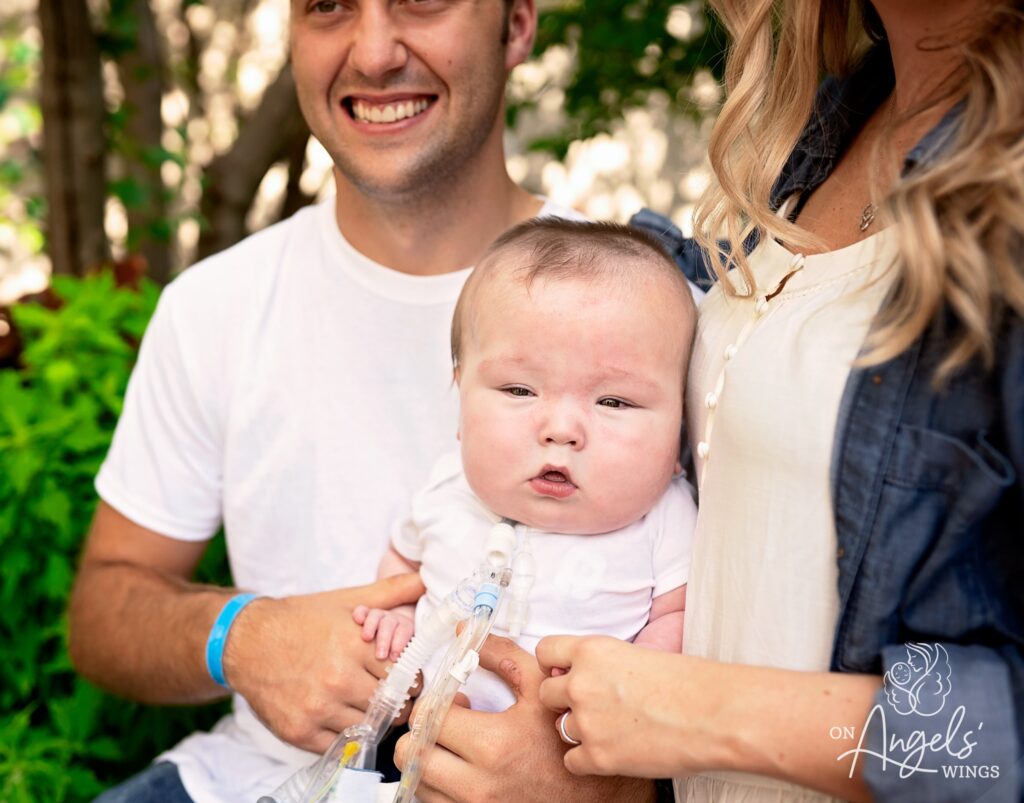
What Does Bronchopulmonary Dysplasia Treatment Look Like?
Learn more about what exactly BPD means for your baby and the treatment routes your baby’s physicians may recommend over the next several weeks.