
By Seraine Page
If you’ve recently experienced a miscarriage, birth loss, or the loss of a child, the raw grief may coexist with another thought: “Should we have more children?”
The decision for a pregnancy after child loss is personal and 100% between you, your partner, and your physicians.
For some parents, the desire to try again feels immediate. Others may feel afraid, emotionally overwhelmed, or uncertain about whether they want another pregnancy at all. In some cases, infertility or recurrent pregnancy loss may already be part of past medical history.
There is no single “right” way to move forward after loss, and recovery often involves much more than just physical healing.
Whichever way you may be leaning in life after loss, a moment of pause to consider whether you’re physically and emotionally ready can help you feel more confident in your decision.
Here’s a look at seven aspects to consider if you’re looking at pregnancy after child loss.

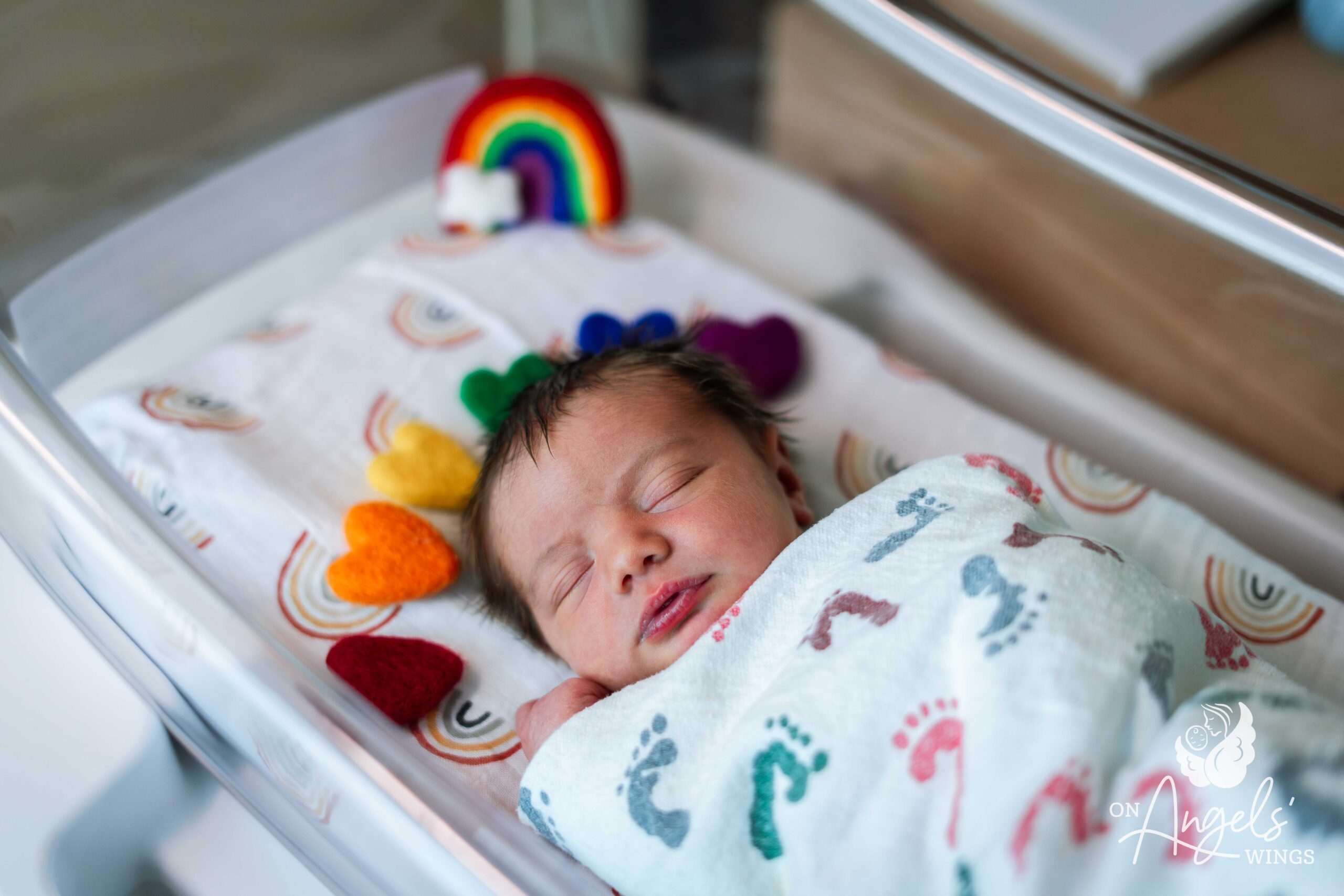
1. The Physical Toll of Pregnancy After Loss
If you do feel emotionally prepared, your doctor may have loose time frames for you to ponder regarding the physical need for healing.
According to the University of Utah Health, women who have an uncomplicated miscarriage in the first 12 weeks don’t have to wait the recommended six months before trying to conceive again. Research indicates that those women may begin as soon as their next normal period.
For those with a pregnancy loss after five months, it may take upward of six weeks for a normal menstrual cycle. Women with complex medical histories may also need to seek out extra testing and treatment options before another pregnancy to determine if the carrying parent’s future pregnancies will be considered ‘high risk’ due to chances for genetic anomalies or concurrent loss.
Emotional recovery is deeply personal and may not follow the same timeline as physical healing. That final decision to “try again” must be weighed between the woman, her partner, and her mental health provider.
It’s important to remember that grief affects both parents differently. While one may be ready, the other may not be. Through grief therapy, parents can sometimes come to terms together when they’re ready — if ever — and knowing how to communicate that to one another can make all the difference in the healing process.
How long after a miscarriage can you get pregnant?
Every pregnancy is different. A safe time to conceive will be dependent on a woman’s medical history, ovulation cycle, and gestation period at the time of pregnancy loss. Women who have an early pregnancy loss without complications may get pregnant after their next normal period. According to Mayo Clinic, if you’ve had multiple miscarriages, you may need to try testing before conceiving again.
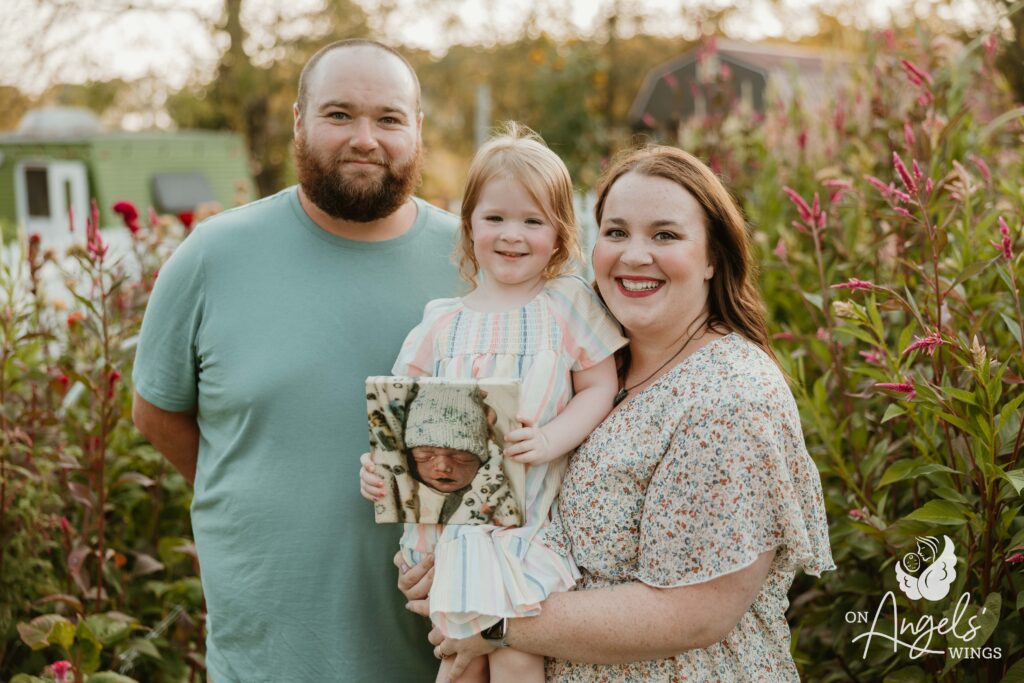
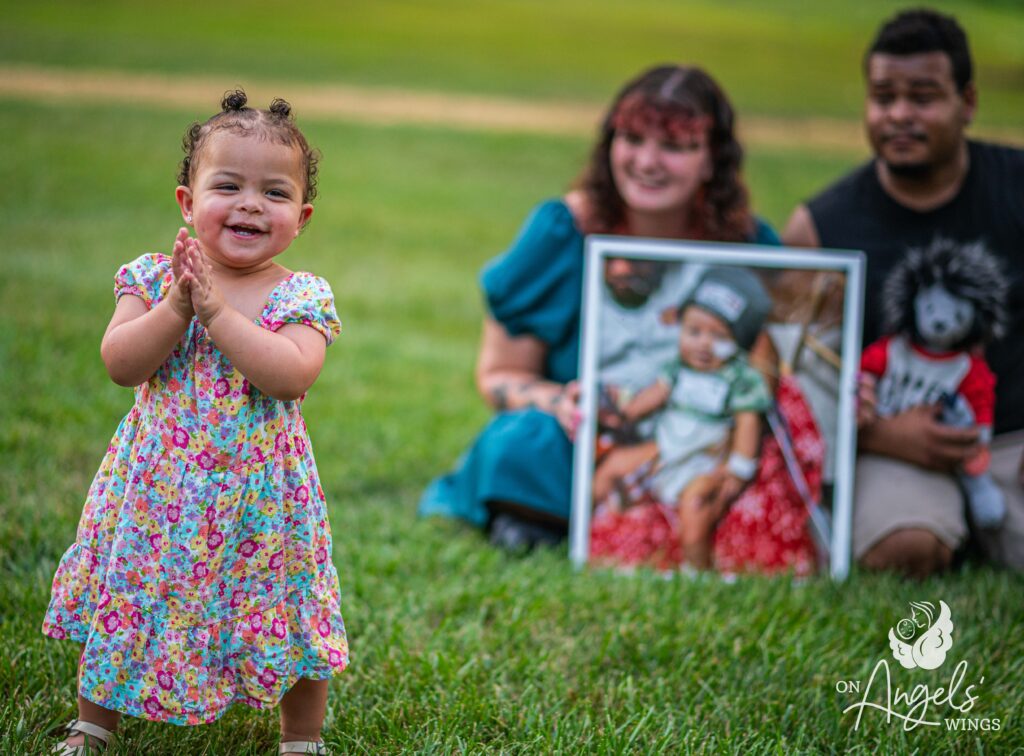
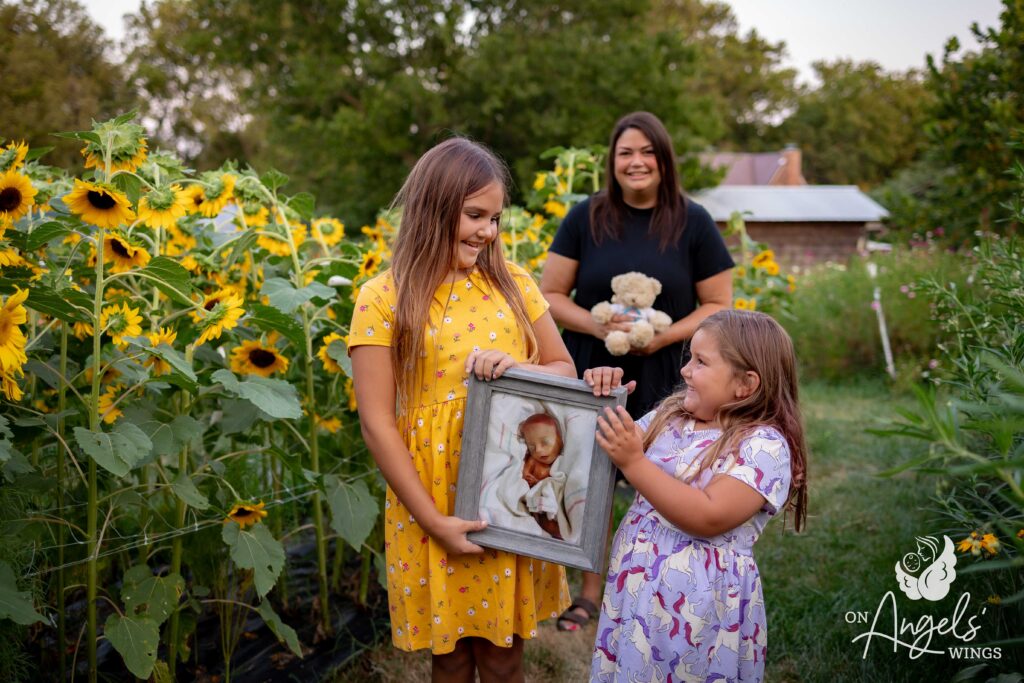
2. There Is No “Perfect” Or “Right” Time to Try Again
Making sure you’re emotionally feeling strong can make all the difference in another pregnancy. Whether you lost a child in utero or after you’ve already welcomed them into the world, if finding emotional strength in your grief is rushed, it can further create a lot of anxiety during another pregnancy.
With that said, some individuals may feel ready ASAP. Others may need months or longer. Your readiness may depend upon:
Physical Recovery
If you had a previous pregnancy loss, your body may not yet be ready for conception again. That is a discussion best had with an OBGYN who understands your case and any medical complexities.
Some women may be able to wait one menstrual cycle and conceive; others may have had a physically traumatic pregnancy loss that requires more healing time. Listening to your body and your doctor are two guiding beacons that can help you decide if you’re physically ready.
Emotional Wellbeing
How are you doing emotionally? Pregnancy after loss often brings complex emotions, including grief, fear, hope, and anxiety. Checking in with yourself, your partner, and a mental health therapist in the weeks and months after the loss of a child can give you a moment to pause. Pregnancy adds hormones and extra emotions, so ensuring your mental state is in a good spot can make the overall pregnancy after the loss of a child a little bit easier to navigate.
Relationship Stability
Grief can affect each parent differently. One person may feel eager to try again, while the other may still be processing the loss. Honest conversations and grief-informed support can help couples navigate these differences and make decisions together.
Financial Considerations
The loss of a child can also bring unexpected financial strain. That may include everything from medical bills and funeral expenses to time away from work for bereavement, and ongoing healthcare needs.
Before trying again, some families may benefit from taking an honest look at their financial situation and whether additional support systems are needed. Social programs, nonprofit organizations, and hospital financial programs may be available to help relieve financial burdens. While there is never a “perfect” financial time to grow a family, reducing unnecessary stress where possible after loss can help create a greater sense of stability during a future pregnancy.
Consider Outside Pressures
When considering if there’s a “right” time to have a baby after a miscarriage or the loss of a child, pressure from others can be intense. There isn’t a time frame in which you should “move on,” but it won’t stop others from inserting their opinions. Many people assume that having another child “fixes” grief. When you’re not ready — and unsure if you ever will be — these comments can be painful and may encourage rash decision-making at times.
Remember, trying again is in your own timeline. Waiting is fine. Being “done” having children is fine. Wanting to go ahead is fine, too. It’s your choice. Surrounding yourself with medical experts and loved ones who support you will make the journey through healing — and potentially another pregnancy — easier.
Looking for grief recovery support? OAW offers it free of charge to recipient families and for any donation amount to the whole community.
3. Pregnancy After Loss Often Holds Both Hope and Fear
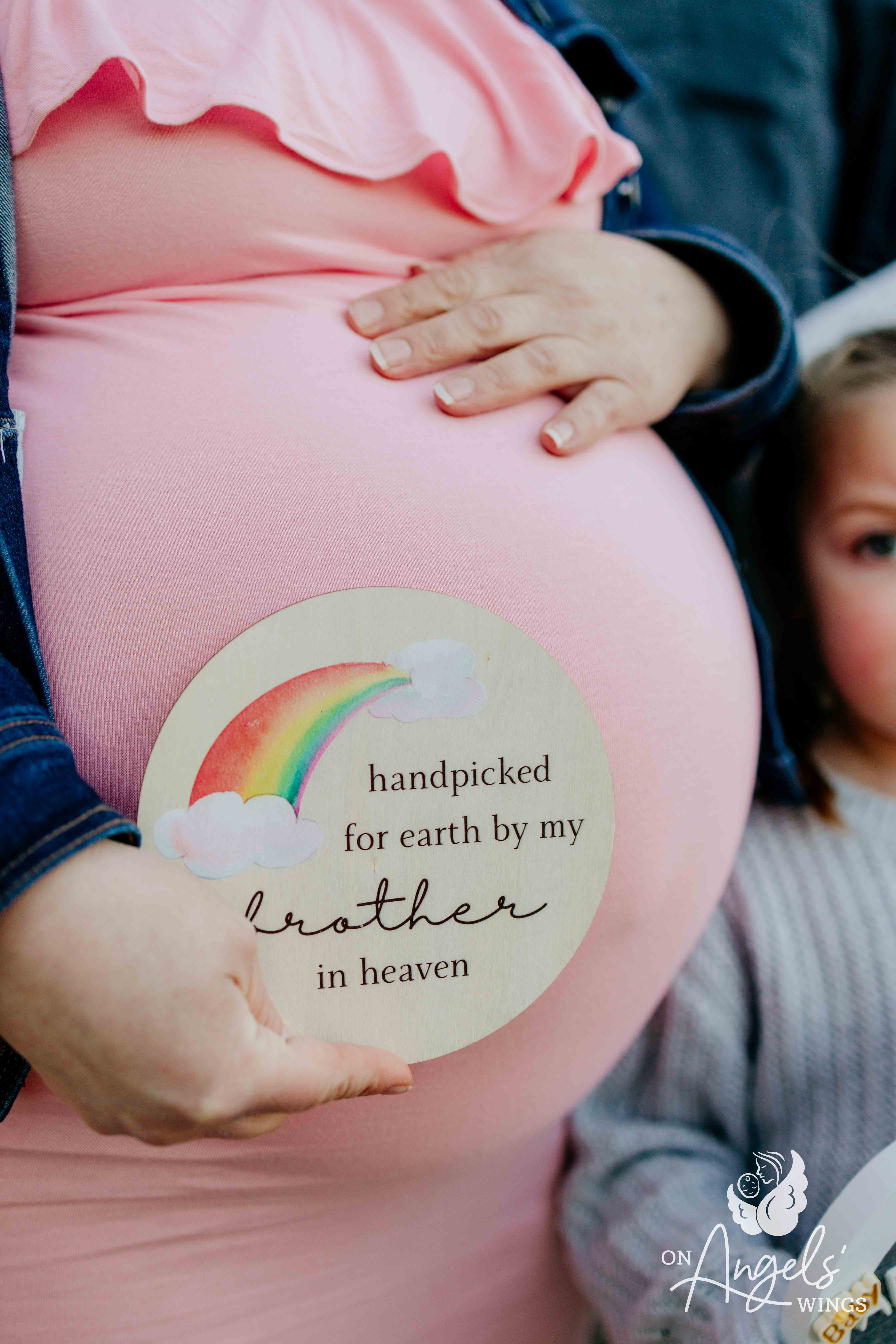
For many parents, going through pregnancy after loss can feel emotionally different from the start.
Alongside hope and excitement may also come fear, anxiety, and an ongoing sense of waiting for something to go wrong. There may also be a tough inner critic judging every move during the pregnancy; if those concerns are impacting daily life, a therapist may be able to help.
While your loved ones may see a new pregnancy as a joyful and fresh start, grieving parents often carry the memories of their previous loss into every appointment, milestone, and passing week.
Moments that once felt exciting — hearing that first heartbeat, decorating a nursery, or making plans — perhaps now feel emotionally complicated.
Some parents become hypervigilant, constantly monitoring symptoms or worrying about each fetal movement. Others may struggle to bond during pregnancy out of fear that allowing themselves to feel hopeful could make another loss even more painful.
Some parents also report that feeling excitement during another pregnancy can sometimes feel like a betrayal of the child they lost. That feeling is more common than many parents realize. Know that welcoming another child into your family does not replace the love or memory of the child who came before them.
Mixed feelings are common, too, further complicating the pregnancy experience. But joy and grief can coexist throughout the pregnancy. A parent may feel grateful one moment and paralyzed with fear the next. After pregnancy loss, stillbirth, infant loss, or the death of a child, there is no “perfect” way to experience another pregnancy emotionally.
As you may know, hope and heartbreak often exist together. Before, during, and after a pregnancy, try to allow yourself to acknowledge the full range of your emotions without judgment..
Related Reading – Life After Loss: Finding Your Way After the Death of a Child

4. Infertility and Pregnancy Loss Often Overlap
Sadly, some parents may also face secondary infertility after loss, adding another layer of grief, uncertainty, and pressure to an already painful experience.
Some parents may deeply desire another child, but struggle to conceive again.
After two or more pregnancy losses, you may have heard the term “recurrent pregnancy loss.” At this point, your OBGYN may recommend a physical exam — including a pelvic exam — and additional testing to determine if there are risks for conceiving or genetic complications. It’s estimated that fewer than 5 in 100 women have two miscarriages in a row, according to the American College of Obstetricians and Gynecologists. So when this occurs, doctors typically want to investigate further before parents try again.
The stressors of unsuccessful attempts to get pregnant again and subsequent testing often happen behind the scenes while others are pressuring parents to “keep trying” and that they will “have better luck if they stop stressing so much.”. Despite good intentions, others may push from a place of love, unknowingly hurting the parents who are trying hard to conceive through multiple layers of grief — child loss, infertility, and often painful medical interventions. Sometimes, the feeling that “time is ticking” on the biological clock can also increase feelings of anxiety for a woman trying to get pregnant again after loss.
The experience of trying to conceive and reproductive loss can feel like an ongoing emotional burden with anxiety, self-blame, and guilt. This may especially feel true for parents who have endured multiple rounds of IVF.
In these cases, reproductive mental health professionals can be helpful, along with grief counselors or therapists who specialize in evidence-based approaches like Eye Movement Desensitization and Reprocessing (EMDR).
5. You Do Not Have to Try Again Immediately — Or At All
After pregnancy loss, stillbirth, infant loss, or the death of a child, many parents are surprised by how quickly questions about “trying again” begin to surface.
Even the most caring friends, family, and acquaintances may ask when another baby will arrive, often without realizing the profound grief that the family is still enduring — or how challenging the pregnancy journey may have been initially.
For parents who experienced infertility, fertility treatments, or recurrent loss, those conversations can feel especially painful and isolating.
Remember:
- Feeling uncertain is normal
- Taking time to heal does not require justification
- There is no timeline for deciding what comes next
- Choosing not to pursue another pregnancy is a valid decision
Your best support is from those who don’t pressure you to “replace” a loss. Your timeline is yours alone to manage and navigate how you see fit. Please know that healing and decision-making deserve space without urgency or guilt. Grief is already a heavy burden without the added weight of meeting others’ expectations about what your future “should” entail.
6. Support Matters More Than Many People Realize
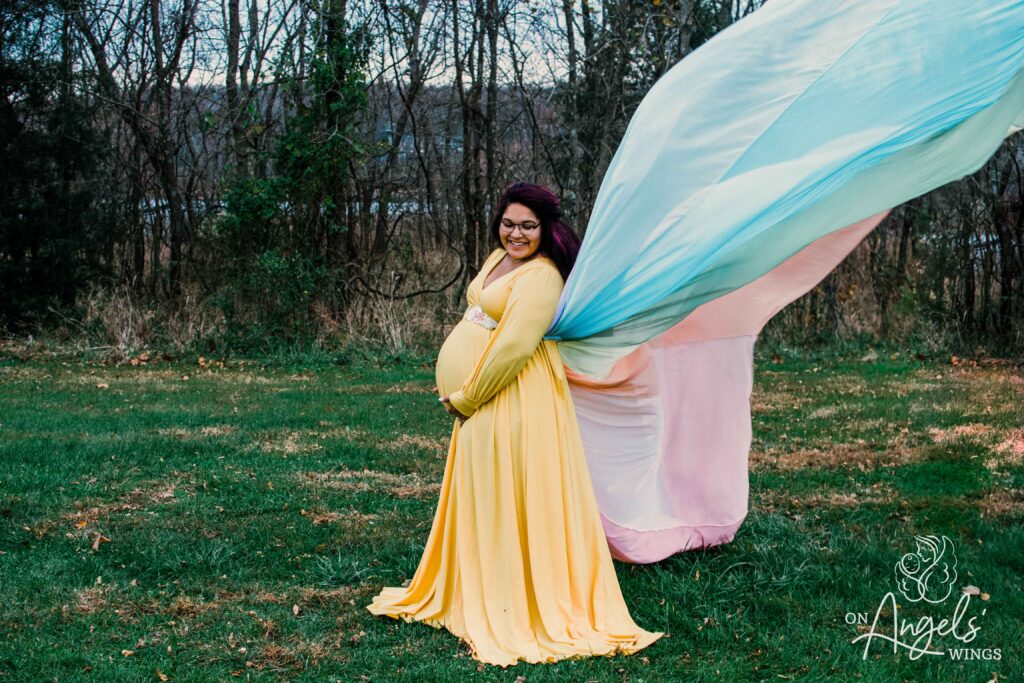
While the loss of a child or baby in utero can feel instant, the grieving process is anything but quick. In reality, grief after child loss is often complex, long-lasting, and emotionally exhaustive. The right support, though, can make a meaningful difference in how families navigate both healing and future decisions.
Partners Often Grieve Differently
Partners often process grief in very different ways. One parent may need to talk openly and frequently about the loss, while the other may become more withdrawn or focused on practical responsibilities.
Fathers in particular are often conditioned to suppress emotions or feel pressure to “stay strong” for everyone else, even while grieving deeply themselves . These differences do not mean one person loved the child more than the other, but they can sometimes create misunderstandings or emotional distance within a relationship. Remembering that everyone processes grief differently, and working to have open conversations about those processes, can help partners decide what the best next steps are together.
Future Pregnancy Fears Can Affect Both Parents
The idea of another pregnancy after loss can bring anxiety for both parents, even if those fears are expressed differently. One person may feel eager to try again, while the other feels emotionally overwhelmed by the possibility of another loss. Conversations around timing, fertility treatments, medical risks, or emotional readiness can become difficult without compassionate communication and support.
Seeking Support Is Not a Weakness
For many families, grief counseling, support groups, mental health services, and compassionate medical care can provide a safe space to process emotions without judgment or pressure. Trusted loved ones can also play an important role when they are willing to listen, acknowledge the loss, and offer support without trying to “fix” grief.
On Angels’ Wings provides grief recovery services based on The Grief Recovery Method through one-on-one and group settings, both in person and virtually. While priority is given to OAW recipients who can participate in the program for free, grief support services are also available to the broader community. For some parents, connecting with others who understand child loss can help lessen the loneliness during grieving.
7. Your Family’s Path Forward May Look Different
After pregnancy loss, stillbirth, infant loss, or the death of a child, many parents begin imagining what their future family may look like — and for some, that future unfolds very differently than they once expected.
Some families may conceive again relatively quickly, while others may face additional loss, fertility struggles, or years of uncertainty. For some, the journey may eventually include fertility treatments, surrogacy, adoption, or fostering. Others may decide not to pursue another pregnancy at all.
Each of these journeys winds through complicated emotions, especially when it doesn’t align with the family vision you may have had in mind. Grief has an intense way of reshaping timelines, expectations, and even personal identity. It can also make comparison especially painful, particularly when society is filled with pregnancy announcements, growing families, or well-meaning comments from others innocently asking about what comes next.
There isn’t a one-size-fits-all “correct” way for a family to move forward after loss. What matters most is creating space that allows for decisions that feel emotionally safe, realistic, and compassionate for your individual situation, rather than choices made under external pressure or societal expectations.
Pregnancy After Loss is an Ongoing Grief Lesson
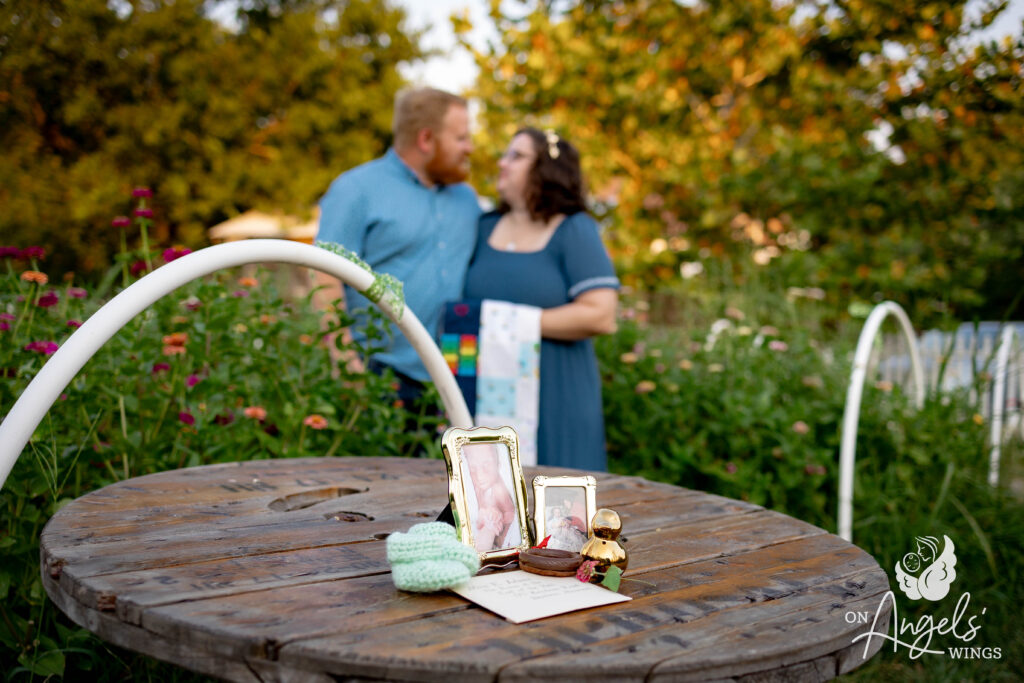
In rebuilding a life considering pregnancy after loss, it’s important to remember that grief doesn’t suddenly dissipate if you become pregnant. It’s an ongoing experience of learning how deeply conflicting emotions can coexist — sometimes within the very same day. Grief is hardly a straight line, just as discussions of conception after loss are rarely straightforward. Grief has no timeline, and the child you lost will always impact you. Grief doesn’t go away; you just learn how to build life around it again. You find capacity for happiness again, however that looks for you and your partner.
Some parents may choose to try again soon after loss, while others may wait months or years before feeling emotionally ready. Some may seek fertility support, while others may focus solely on healing and rebuilding their lives after unimaginable heartbreak.
Most importantly, though, is remembering that there is no perfect timeline for pregnancy after loss.
Healing is deeply personal, and no parent should feel pressured to “move on” before they are ready. Whether your path includes another pregnancy or not, your grief, your love, and your healing deserve patience, gentleness, and support.
You Don’t Have to Navigate This Alone
Whether you are considering another pregnancy, grieving the future you imagined, or simply trying to make it through one difficult day at a time, support matters.
Pregnancy loss, stillbirth, infant loss, and child loss can leave families carrying emotions that are difficult to explain to the outside world — but you do not have to carry them alone.
You may also find comfort in reading:
- Anna: We’ll Know Her Laugh One Day
- Elizabeth: Separated But Closely Held
- Wilder: Perspective and Hope Through Loss
Additionally, On Angels’ Wings offers grief recovery services through one-on-one and group support settings, both virtually and in person, for families navigating life after loss.
