
By Seraine Page
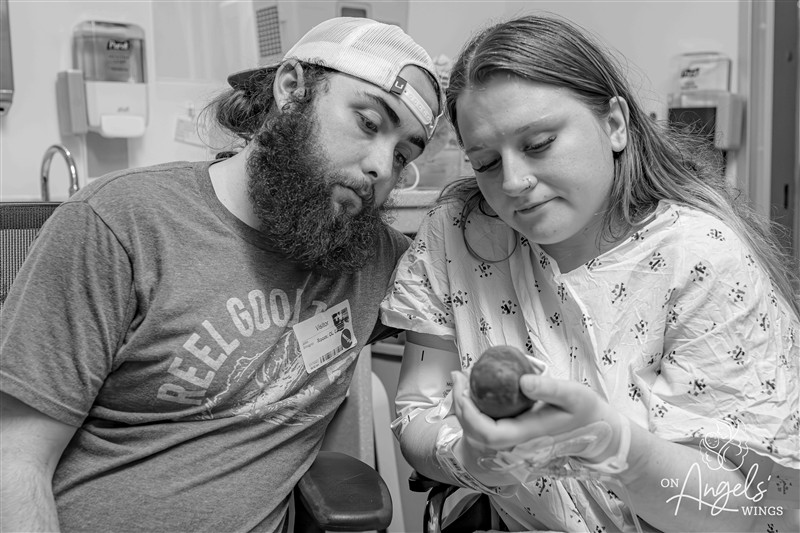
With the death of a child, it can feel impossible to imagine moving forward. While the rest of the world continues, your own life may feel frozen in grief.
Some days, you may want to scream at the world and all the people continuing with their daily lives while yours has completely changed. Whether you experienced the loss in utero, infancy, childhood, or the teenage years, the loss may feel like it’s piercing your heart with every wave of grief.
After the death of a child, the idea of a “new normal” can feel painful and unimaginable. It will never feel normal to live without the child you carried, nurtured, protected, and loved so deeply. In many ways, it may feel as though a light has gone out in your own life, too.
It is normal to feel a variety of emotions as you move into life after loss. It is normal for everything to feel hard.
Amid the shock, heartbreak, anger, numbness, and exhaustion, it’s important to understand that there is no “right” way to navigate life after loss. Grief can take many forms, and every parent’s journey through it will look different.

“Grief has no timeline,” says Michelle Cramer, Founder and Executive Director of On Angels’ Wings, Advanced Certified Grief Recovery Specialist, and speaker/author on the topic. “There should be no expectations surrounding what grief looks like or how long it takes. The unfortunate reality is that the world continues to spin, and now you have to figure out how to build life around this shattering loss. That, in itself, is overwhelming. And the key is realizing that grief changes everything. We can’t expect life to ever go back to the way it was. It’s learning what life is now, with grief attached like a leech, that allows us to take one step forward at a time.”
Let Go of the Pressure to “Be Okay”
Sadly, many grieving parents feel pressure from society, work, family, or even themselves to function normally too quickly.
Sometimes there’s an unspoken belief that grief should become smaller or more manageable over time, but profound loss — especially of your child — doesn’t get smaller; you learn to build life around it. That experience rarely follows a predictable timeline.
In the days and months after the death of a child, many parents quietly feel pressured to return to “normal” long before they are emotionally ready. Workplaces are particularly callous; many organizations give employees a measly 3-5 days of bereavement time for the loss of an immediate family member, if they have a written bereavement policy at all (55% of employers don’t), according to a survey of 500 employees and employers conducted by On Angels’ Wings in 2023.
For grieving parents, even simple daily tasks may suddenly require enormous emotional energy. Concentrating, making decisions, responding to messages, or sitting through ordinary conversations can feel exhausting when the weight of grief is constantly present beneath the surface.
Many therapists who work with bereaved families emphasize that healing does not mean “getting over” the loss or pretending everything is okay again. Instead, it often begins with permitting yourself to grieve honestly, without rushing, minimizing, or apologizing for the depth of your love and pain.
“Healing is finding capacity for joyful moments again,” Cramer says. “It never means the grief ends. It just becomes part of who you are now.”
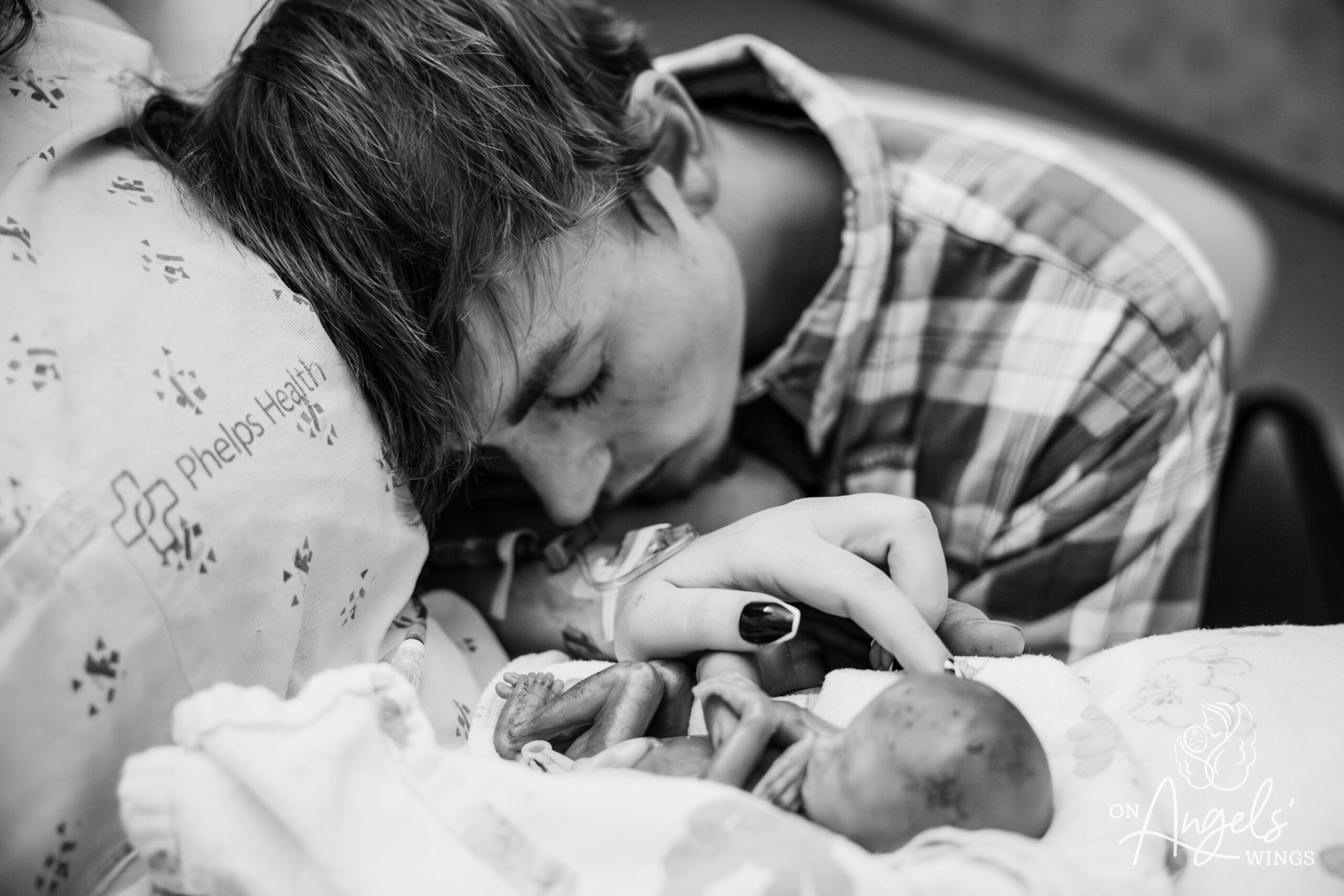
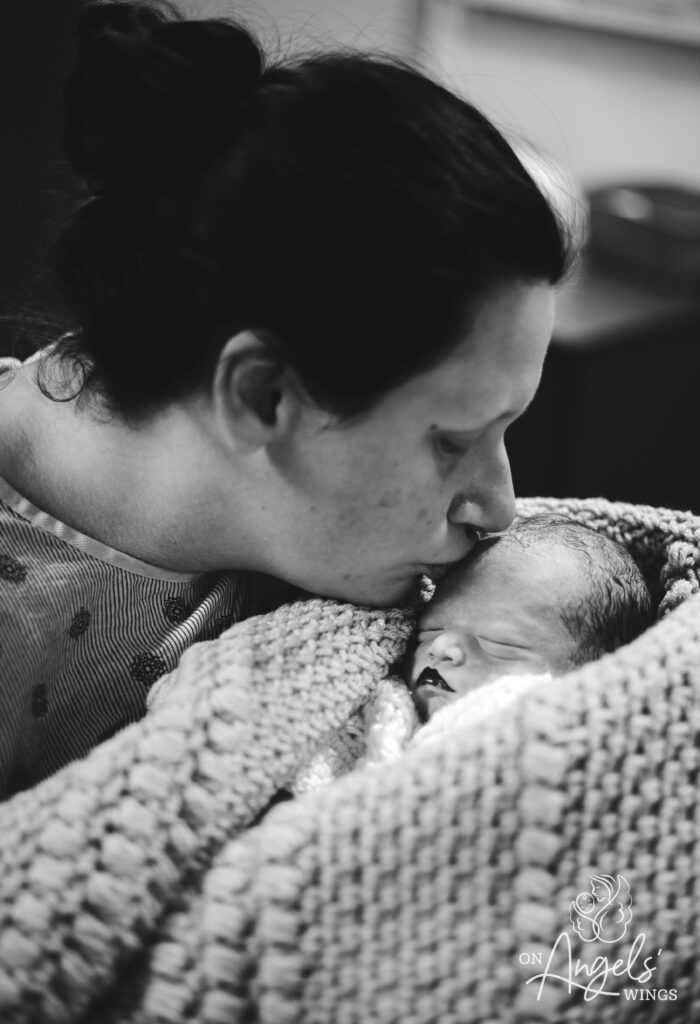
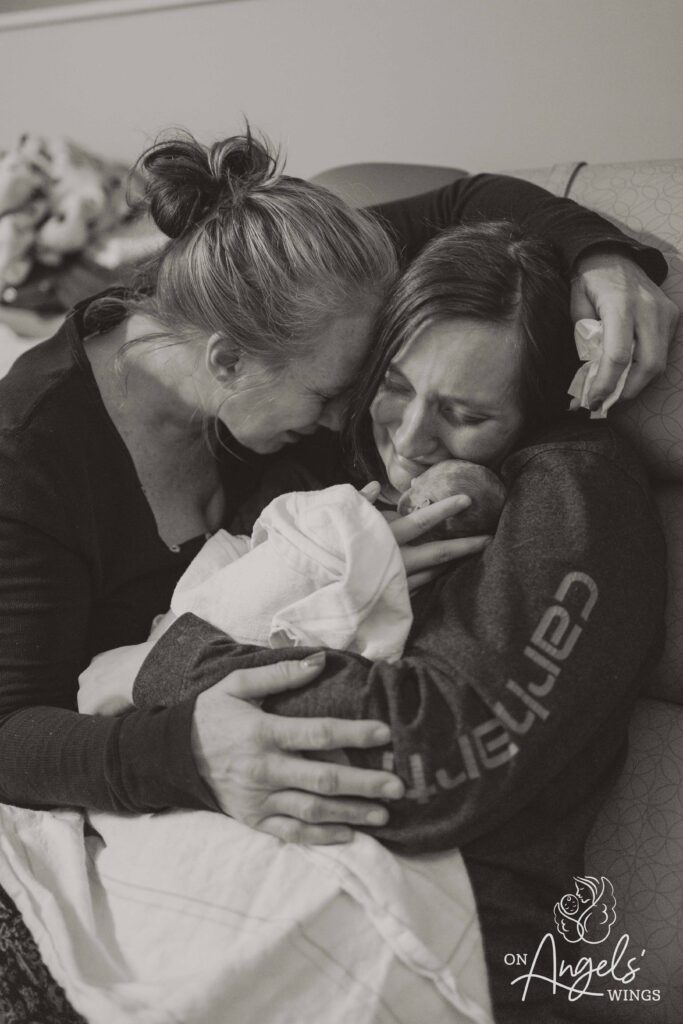
Rebuild Life in Tiny, Manageable Pieces
Daily life can feel incredibly overwhelming after a profound loss. Washing dishes, doing laundry, and even driving to the store can feel like autopilot activities when in the midst of grief.
Grief, in all its heaviness, has a way of feeling like a 1,000-ton brick you’re dragging along with you during what used to feel like the simplest daily activities. The rituals you once enjoyed — like taking your dog for a walk or drinking hot coffee — suddenly feel burdensome and impossible.
The feeling of experiencing life after loss can perhaps best be summed up with these lyrics:
Can there be a day beyond this night?
I don’t know anymore what is true
I can’t find my direction, I’m all alone
The only star that guided me was you
How to rise from the floor
When it’s not you I’m rising for?
Just do the next right thing
Those lyrics, from the song “The Next Right Thing” in Frozen 2, can be applied to the grief process.
The next right thing can be moving from the bed to the bathroom to brush your teeth. Maybe it’s changing your clothes. Getting to a doctor’s appointment you’ve been putting off. It’s moving one foot in front of the other and doing the next right thing for yourself to find some semblance of a routine.
Begin with intentional moments that can help you. That may look like:
- Drinking water – Keep a bottle filled in the fridge
- Eating regular meals – Batch prep comfort foods
- Stepping outside – Take in some sunshine and nature views
- Respond to a single text – To that friend who is checking in on you, say hi
The human brain treats stress and emotional trauma with the same set of processes — triggering survival mechanisms like increased blood pressure, heart rate, and more. When you are experiencing grief, you may notice more lapses in memory and disruption to your sleep, according to the American Brain Foundation article on Healing Your Brain After Loss: How Grief Rewires the Brain.
Taking small steps to maneuver through the traumatic experience of losing your child is the first step to helping your brain and mind heal. If you’re in the throes of life after loss, consider those first actions you take as “acts of survival” to help you face daily living.
Who Can Hold Space for Your Grief?
As you — and perhaps other family members — grieve, it can sometimes be hard to advocate for yourselves. In the thick of emotional turmoil, having support systems you can rely on can make all the difference in your healing.
Not everyone knows how to support grieving parents.
That’s where it may be helpful to reach out to:
- Grief counselors
- Support groups
- Trusted friends
- Faith communities
- Bereaved parent organizations
If someone is pushing you to get past your grief, they are not a “safe” person to converse with about your emotions. It’s not your job to minimize your grief to protect others from feeling uncomfortable. Finding individuals or groups who validate your experiences of overwhelm, anxiety, depression, and other emotions can help you feel you’re not alone. Normalize withdrawing from emotionally unsafe conversations.
Finding a support program can be a first step toward better understanding your grief and how to navigate life after loss. On Angels’ Wings uses The Grief Recovery Method to help those dealing with a variety of grief situations. The program is an 8-week intensive that helps you learn to acknowledge your grief and find capacity for happiness again (they do recommend waiting at least 2 months after a big loss to start).
“The Grief Recovery Method has been a great step in my walk with the grief and loss of my baby,” says Jamie Kuss, On Angels’ Wings recipient and infant loss mom. “It allowed me to take that extra step forward to grieve in a healthy manner, providing me with the strength and support I needed to move forward and grieve appropriately. This has opened my eyes to some things that I’ve held onto, and some unhealthy habits I had allowed myself to walk into without knowing it. It brought inner struggles I wasn’t aware of to light. I would highly recommend it to others who have struggled with a loss or any kind of past hurt.”
Learn more about OAW’s free grief recovery services here.
Joy and Grief Can Coexist Together
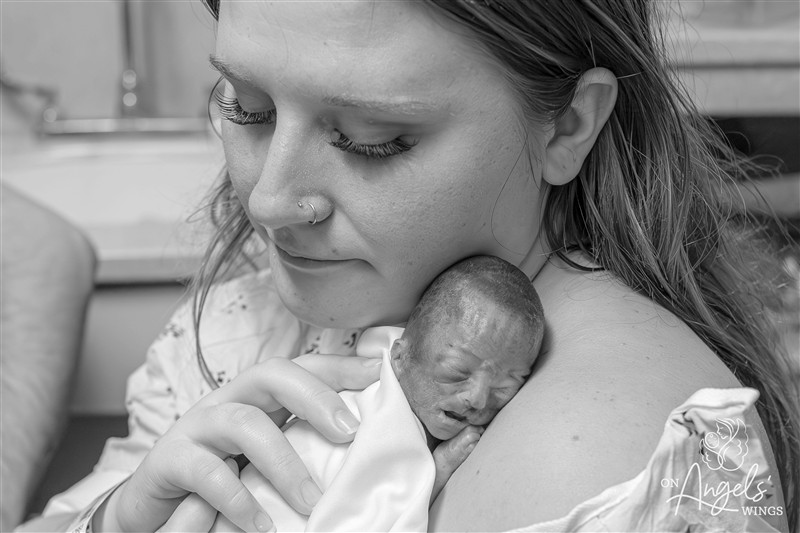
For many grieving parents, moments of happiness can feel surprisingly complicated. A brief laugh with another child, enjoying coffee outside on a quiet morning, or feeling moved by the beauty of a sunset may suddenly be followed by stabbing feelings of guilt.
Some parents worry that experiencing joy again somehow means they are forgetting their child or “moving on” too quickly.
Know that joy is not betrayal, as grief and love can exist together.
In fact, life after loss often includes learning how to carry both sorrow and moments of beauty together. Small moments of peace are not evidence that the loss mattered less. They are reminders that even amid profound heartbreak, the human heart still searches for hope and joy.
Cramer (founder of On Angels’ Wings) likens living with grief to when a barbed wire fence becomes embedded in a tree because a sapling was overlooked when the fence was installed.
“Over time, the tree grows tall, strong, and flourishing,” she says, “but it is left with this gnarly knot where the tree grew around the barbed wire. It looks out of place, like a wound. But if you try to cut the barbed wire out, you’ll kill the tree. It is a part of the tree’s life – even if it doesn’t look pretty – and the tree can still thrive with that damaged piece of itself.”
Over time, some parents may find themselves slowly reconnecting with hobbies, music, art, nature, or other parts of themselves that once brought comfort. These moments do not erase grief. They exist alongside it. Loving your child deeply and continuing to experience life — and making time for self-care — can coexist.
Small moments of peace are not evidence that the loss of your child mattered less. It means you are starting the process of living again while still carrying the love of your child with you.
Create Continuing Bonds With Your Child
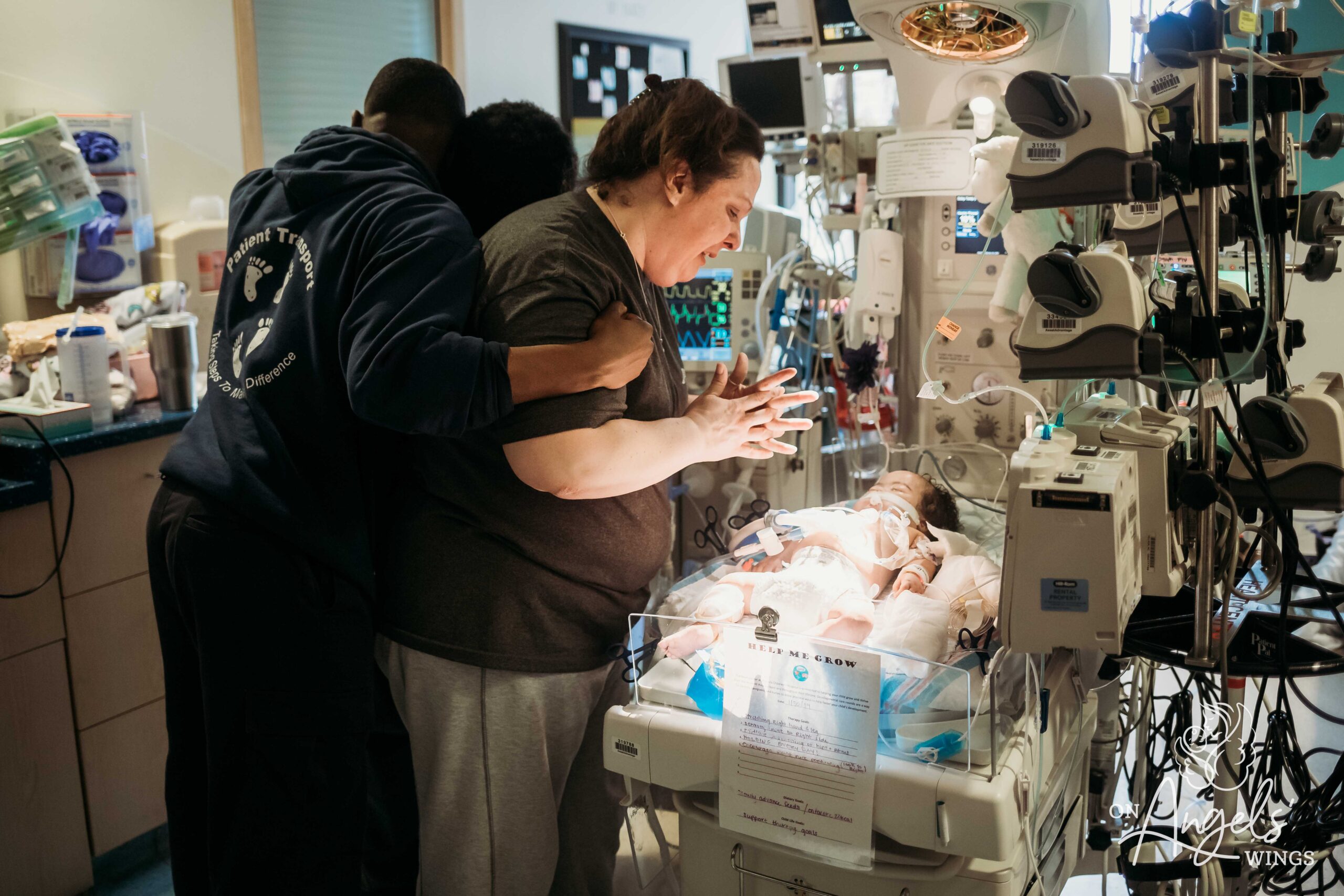
Time allows us to build life around the pain of losing a child, finding capacity for happiness again. With that, some parents fear their child will be forgotten.
You may wonder, “If I begin living again, will my child slowly disappear from the world?”
While the sharpness of pain may soften in certain moments, your love for your child doesn’t disappear. For many grieving families, maintaining a continued bond with their child can become an important part of navigating life after loss.
These connections may look different for every parent.
Some may:
- Honor birthdays or anniversaries
- Keep memory boxes
- Write letters or keep a journal
- Have a memorial photo session
- Donate to a cause in their child’s honor
It may mean you continue speaking your child’s name in everyday conversations. Others find comfort in small rituals, favorite songs, photographs, or places that help them feel connected.
On Angels’ Wings provides annual Remember Minis for its recipient loss families in larger service areas, allowing them to have family pictures and comfortably include memorabilia for the child they lost with a photographer who knows how to navigate that with compassion, so the whole family is in pictures.
Continuing bonds through rituals in honor of your child are not about “staying stuck” in grief. They are reminders that love does not end with death. A child’s life, presence, and impact remain woven into the hearts of the people who loved them.
Permit Yourself to Change
You may find yourself becoming a different person as the days and years pass since the loss of your child. Not surprisingly, loss often will reshape your identity, priorities, and relationships.
“You may often hear that the loss will get easier with time, which implies that the pain will someday go away completely,” Cramer says. “But our losses shape who we become. They don’t go away, they become part of us – like that barbed wire in a tree. That also means who we are shifts. We respond differently to the world around us, and those changes are often permanent. That is okay. We should expect it and embrace it. That change is because a piece of you will forever be missing.”
A shifting life that allows you to embrace yourself and your needs is always allowed to change. You may find you are firmer with boundaries and less likely to spend time with those who drain you. Friendships may shift because of that. Your career goals may adjust as well; perhaps you change careers altogether.
Parents do not have to become who they were before the death of a child. Grief can reshape how you show up in the world, and that’s okay.
Life Reintegration Isn’t Forgetting Your Child
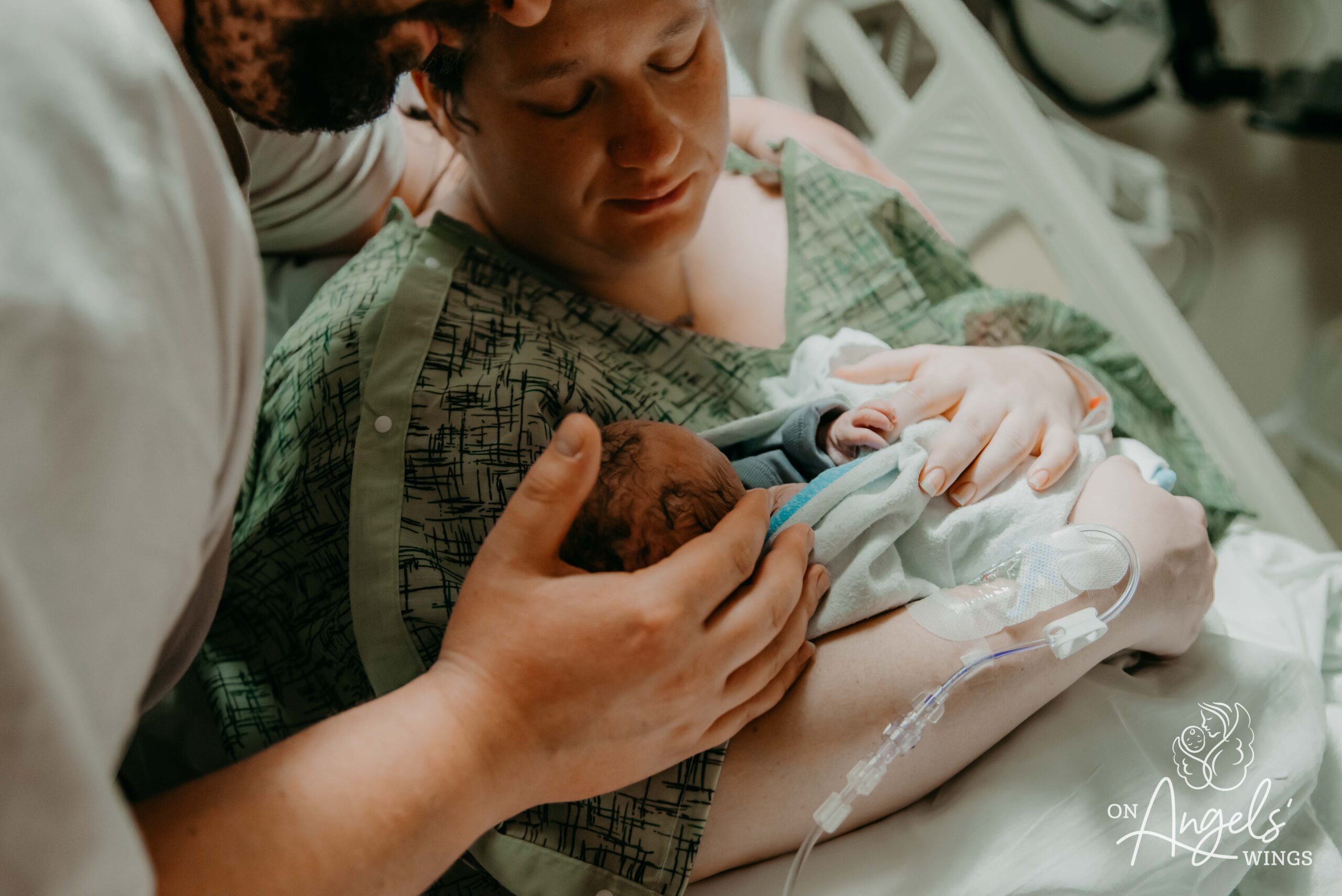
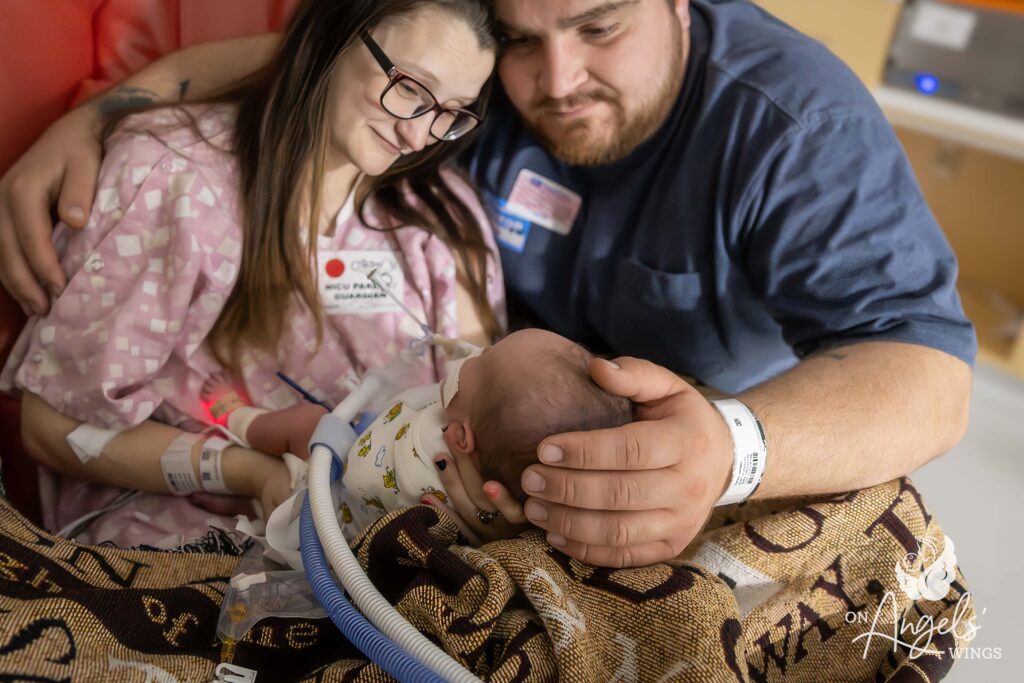
Reintegrating into life after loss isn’t the same as leaving grief behind completely. It most likely will still pop up unexpectedly, like when someone asks you how many children you have and you’re unsure how to answer, or a friend’s child graduates high school and yours never will.
There will be events, conversations, and milestones throughout the rest of your life that cause the wave of grief to wash over you. Reintegrating into life after losing your child is allowing the waves of grief to wash over you when they come, but not letting the riptide carry you out to sea anymore.
Over time, you may find your grief changes. When you reflect, you may remember the days when you broke down multiple times. You may recall the days you had to take off from work because you couldn’t face your colleagues. You might think about all the family functions you had to skip because seeing other children was too much to bear.
What felt impossible at one time eventually changes as you learn to live life with your grief in the backseat instead of the front seat.
Unexpected waves of sadness, anniversaries, and unexpected memories may feel overwhelming when they happen. But alongside that grief, many parents find they can slowly begin rebuilding meaningful lives because their love for their child endures.
Life after loss is not about forgetting. Your heart will always hold your child’s memory.
Grief Doesn’t Have to Be Lonely
The death of a child can feel incredibly isolating, especially in a world that often struggles to talk openly about grief.
While support from loved ones can be meaningful, many parents also find comfort in connecting with grief professionals or communities that understand the unique realities of child loss. Having a safe space to speak honestly about all the emotions — anger, sadness, guilt, fear, or even numbness — can help grieving parents feel seen without judgment or pressure to “move on.”
On Angels’ Wings provides grief recovery services based on The Grief Recovery Method through one-on-one or group settings, both in person and virtually. While priority is given to OAW recipients, these services are also available at no charge to the broader community. For some parents, structured grief support can offer gentle guidance and connection during a season that often feels overwhelming and lonely.
As a final reminder, in your grief over the death of your child, your journey is your own. Take the time you need and grieve however you need to. There is no perfect way to handle the death of a child. There is only your way, and that’s done one hour, and one day at a time.
Curious about grief recovery options? Read testimonies from the participants of our grief recovery services here.
