By Seraine Page
If you’ve landed on this blog, you’re probably wondering: “What is Epidermolysis Bullosa?”
Some information is available, but it can be hard to find, especially since little is known about this rare health condition that appears shortly after birth.
So rare, in fact, that in the 13 years that On Angels’ Wings has existed, Epidermolysis Bullosa, also known as EB, has impacted only four families we have served.
Below, learn more about this condition, the various types of Epidermolysis Bullosa, and insight from families who have dealt with an EB diagnosis.
What is Epidermolysis Bullosa?
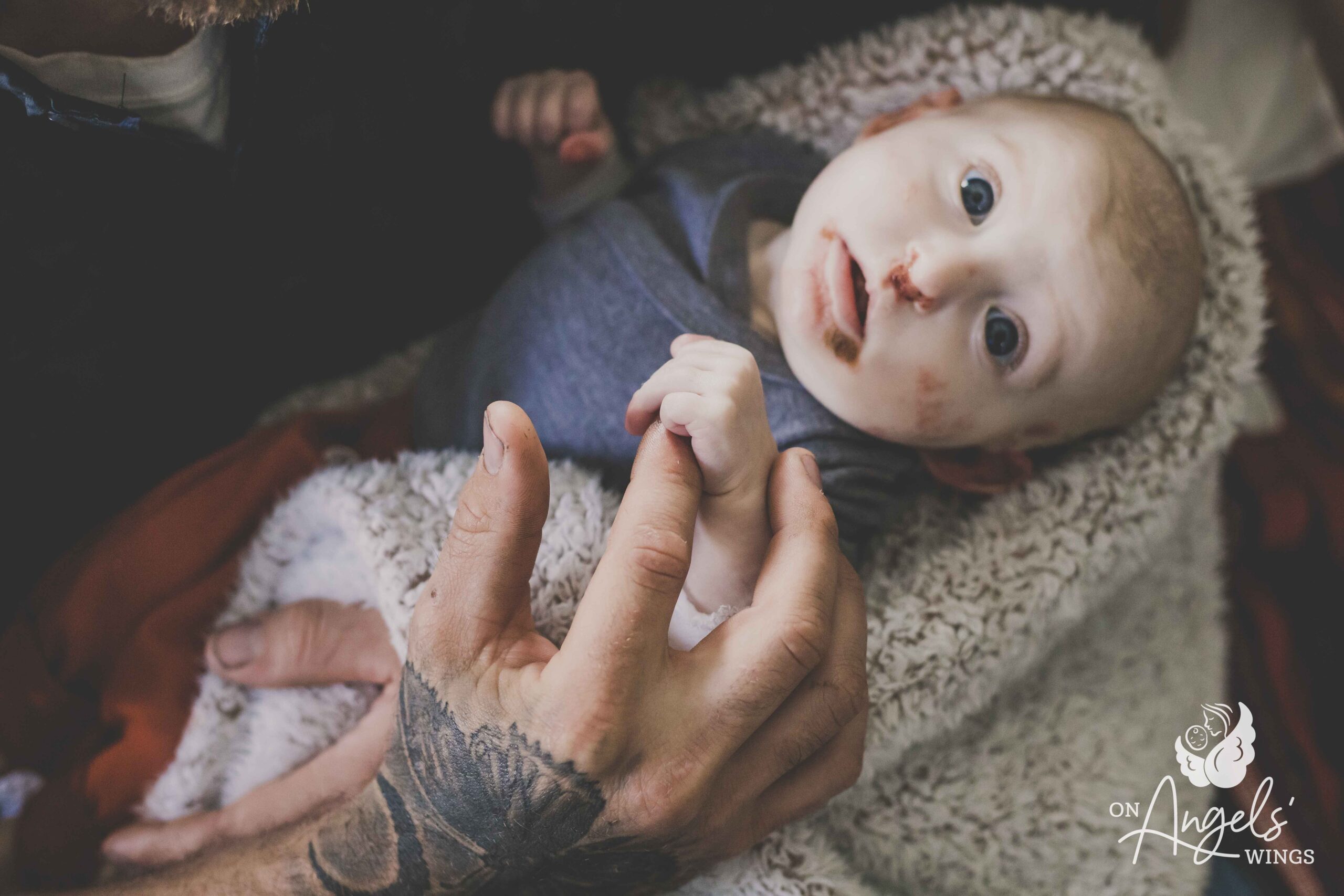
Epidermolysis Bullosa (EB) is a condition that’s often seen at birth or shortly after. It’s a group of rare diseases that cause skin to blister easily. Because a baby’s skin is extremely fragile, everyday care — such as diaper changes or soft touches — can lead to blisters and open wounds.
Kids with EB are often called “butterfly children” because their skin is fragile like butterfly wings.
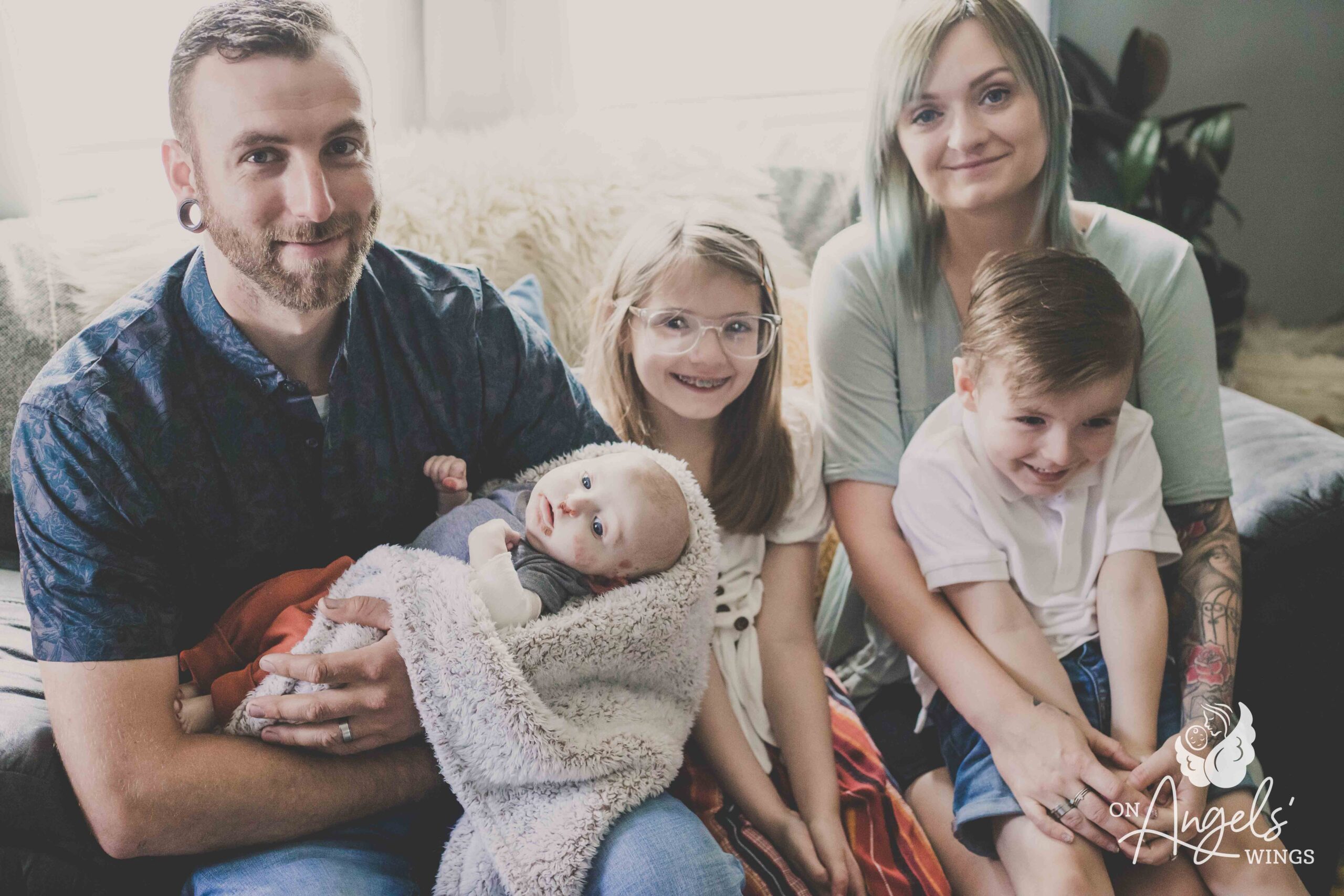
“They may have fragile skin, but they are immensely strong, and through them we find just how strong we are,” says Sam Spencer, mom to Kaysen, who had Junctional EB, Herlitz type. “Our babies are born to change the world, and we fight for their voices to be heard.”
There are various types of EB, along with varying levels of severity. The less-invasive form involves the skin. Fatal types impact the organs. Genetic testing is available to uncover which type, since it can be difficult to detect which form a baby may have.
This condition is inherited, according to Mayo Clinic.
On Angels’ Wings has seen this condition manifest in different ways.
At 6 months old, Kaysen kept getting sores in his throat so he wouldn’t eat. The medical team decided to get him a G-tube, which is typically a low-risk procedure, but not for him. The wound from the G-tube placement wouldn’t heal properly. Heartbreakingly, he died two days after surgery. In contrast, one of our oldest recipients is almost five years old and on Hospice.
Some of the other challenges of the condition come from well-intentioned others.
“It’s always frustrating and defeating when someone thinks that by simply changing the diet or rubbing a magic cream on a child with a terrible terminal genetic disease that we can cure our baby,” says Spencer. “We would have gone to the ends of the earth and space to cure him if we could. But, realistically, we also know most come from a well-meaning place in their hearts. So we always responded with a ‘Thank you, but unfortunately there is no cure…’, and then went on to explain Kaysen’s type of EB and how it affected him.
“I think the whole diagnosis is just plain overwhelming,” she continues. “So the magic cures so soon after the diagnosis are heartbreaking. After the initial shock wears off and you start advocating, you learn just how important taking the time to spread awareness is.”
Every situation is different and challenging in its own ways. The list of complications and health challenges of EB is a long one.
“EB is hard and unpredictable,” says Jessica Jones of Columbia, MO, whose son Matthew has Recessive Dystrophic EB. “There will be days of anger and frustration and whys. But EB also makes you have a better understanding of what living life really means. It teaches you to have more patience and not to take the little everyday things for granted. There were days in the very beginning that we thought we would never see a smile or hear a laugh. But people with EB are the most resilient. The laughs and smiles and goofiness outweigh all of the frustrations. Keep hope and cherish every moment.”
Types of Epidermolysis Bullosa (EB)
Every year, 200 children are born with EB in the United States. That equals approximately 0.0056% of all annual births, or 1 in 18,000.
All types are caused by mutations in one of 18 genes, according to debra of America, an organization dedicated to improving the lives of those living with EB.
Here’s a look at the different types of EB:
Epidermolysis Bullosa Simplex (EBS)
This is the most common type of EB, characterized by blistering of the upper layer of the skin. It’s specific to the basal layer of the epidermis. It’s often discovered early on, and worsens once babies start moving rapidly — like kicking or crawling.
Those diagnosed with this type may also notice:
- Thickened skin
- Nail changes
- Scar formation
- Mucosal involvement
- Sores and wound progression
This lifetime condition may just involve localized blistering on the feet and hands, but can also spread and affect organs.
Dystrophic Epidermolysis Bullosa (DEB)
A child may be diagnosed with recessive dystrophic epidermolysis bullosa (RDEB) or dominant dystrophic epidermolysis bullosa (DDEB).
Both conditions are caused by mutations in the COL7A1 gene.
For the RDEB type, blistering may only appear on the hands, feet, knees, and elbows. It may also occur without severe scarring.
In DDEB patients, blistering is often mild and seen on the hands, feet, knees, and elbows, but leaves scars. Dystrophic nails — more often the toenails — are sometimes the only indication of DDEB, according to the GeneReviews journal.
Severe RDEB (previously called RDEB generalized severe, Hallopeau-Siemens RDEB) includes widespread blistering and patches of missing skin, especially on limbs, starting at birth.
Junctional Epidermolysis Bullosa (JEB)
Two subtypes exist under JEB: JEB Intermediate and JEB Severe.
In JEB Intermediate, some individuals may have skin fragility and blistering in response to trauma. Some patients do have improvement with age, but still experience chronic wounds and often internal health risks that require lifelong medical management.
JEB Severe patients often have widespread blistering, mucosal involvement, and other complications that significantly impact overall health. Because protein production is drastically interrupted with this condition, infants often do not survive beyond the first few years of life.
Signs of this type include:
- Chronic wounds
- Delayed healing
- Hair loss (Alopecia)
- Breathing or voice changes
- Nail and dental abnormalities
- Feeding and nutritional challenges
- Growth delay and failure to thrive
There are several other variants of Junctional EB, each with their own set of additional symptoms and concerns. Doctors can provide more specifics on each variant.
Kindler EB
This type is so rare that it’s estimated only 250 individuals globally have it. It typically presents at birth, with more symptoms emerging during childhood or adolescence.
Epidermolysis bullosa acquisita (EBA)
While quite rare, this is an autoimmune disorder where the body attacks itself. Unlike other forms of EB, this type isn’t inherited and typically shows up in adulthood — between the ages of 50 and 70 years old. But pediatric cases have been reported in which antibodies transferred across the placenta, according to DermNet.org.
How Epidermolysis Bullosa is Diagnosed
Often, it takes time to get a firm diagnosis of EB. A close exam of the skin, including inside the mouth, will help a dermatologist or other specialists begin the process of elimination. It’s important to document every sore in the beginning – when it first showed up and how it progressed – to help doctors understand what your child is dealing with better.
Just after birth is when EB is most often detected. Blisters often point to this diagnosis in babies, but it’s also not uncommon for toddlers to present with them once they begin walking. Milder cases may also show up during the teen years as well.
Diagnosis tools include:
- Genetic testing
- Prenatal testing
- Biopsy for immunofluorescence mapping
Once diagnosed, specialized treatment centers are available to help tailor options for lifestyle adjustments and pain management for individual patients.
“Listen to your instincts,” says Jones, whose son Matthew has Recessive Dystrophic EB. “If you think something isn’t right, speak up. The medical teams are great, but they are not living the life of a rare disease.”
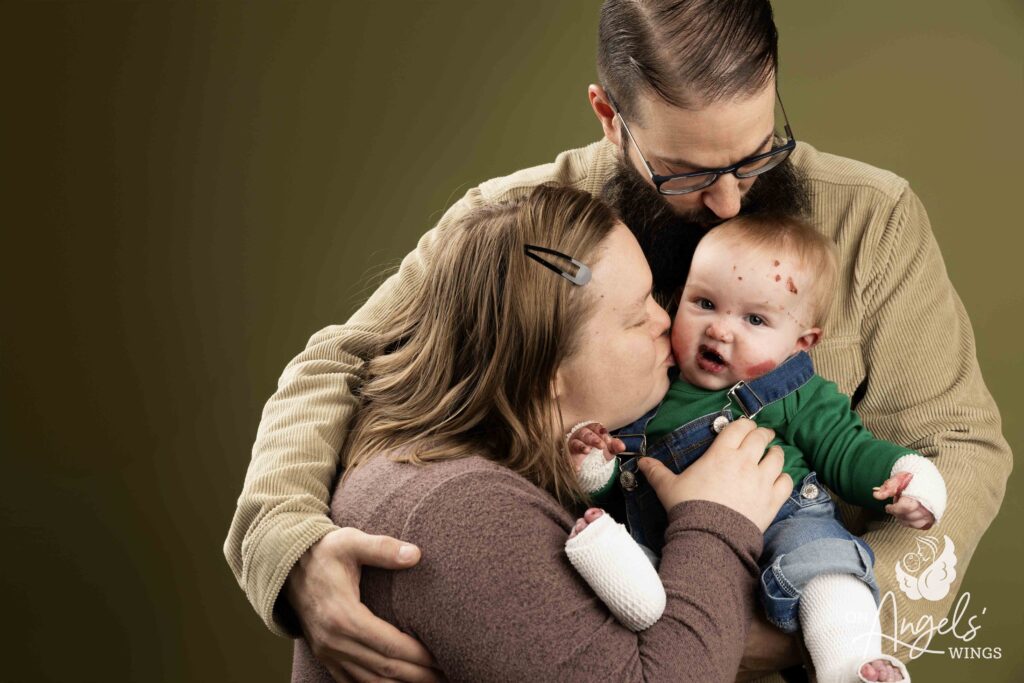
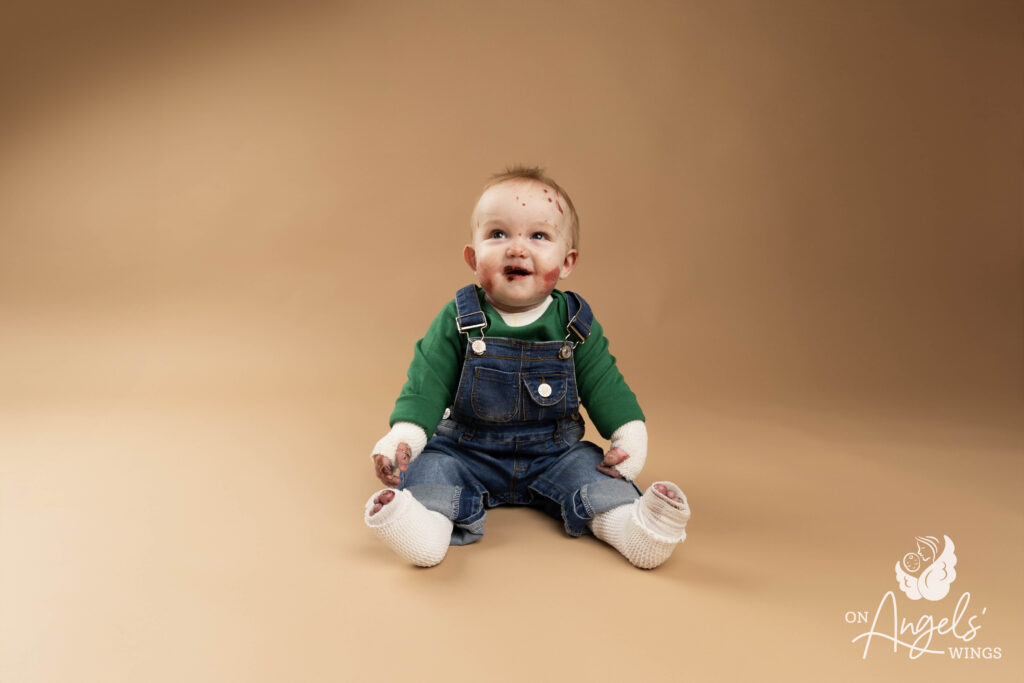
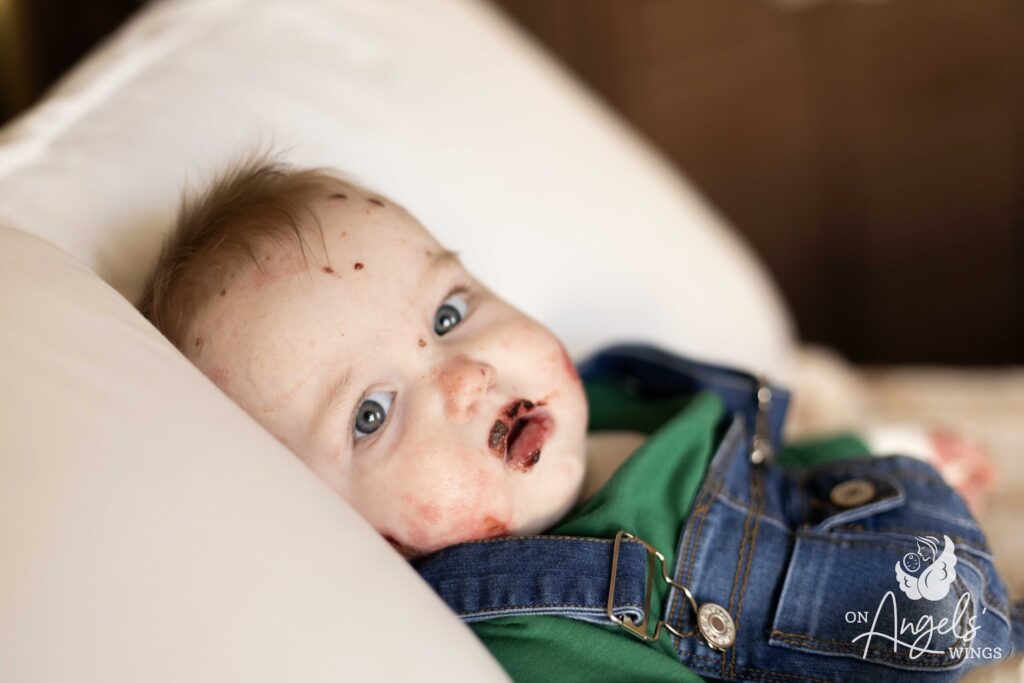
Documenting skin changes can also be an important part of the diagnostic process. For parents who notice sores early on, take detailed documentation. Share with your child’s pediatrician when they appeared, what they looked like, and any possible triggers.
Additionally, keeping dated photographs and notes about when and how each sore appeared can help establish a pattern. This can provide valuable information to specialists and help ensure that the underlying medical cause is considered.
Because EB can cause fragile skin to blister, tear, and develop wounds — with little or no obvious trauma — its symptoms may sometimes be difficult to distinguish from other causes. This is especially true if an EB condition has not yet been diagnosed.
Treatment Options for Epidermolysis Bullosa
While there are treatment options for EB, this life-long condition still causes immense pain and requires significant lifestyle modifications for both families and the patient.
“I would say to a family who just got an EB diagnosis, never stop fighting,” says Dante Venema of Corvallis, MT whose child Brooks has EB Simplex, Generalized Severe.
“There are days that will be almost unbearable, but you just have to continue fighting and advocating for your child. Trust your parental instincts and continually ask questions. If there’s something you think is being done wrong or not being done, make sure your voice is heard, because at the end of the day, it’s your child. You have an intuition that only a parent has, and it’s often right.”
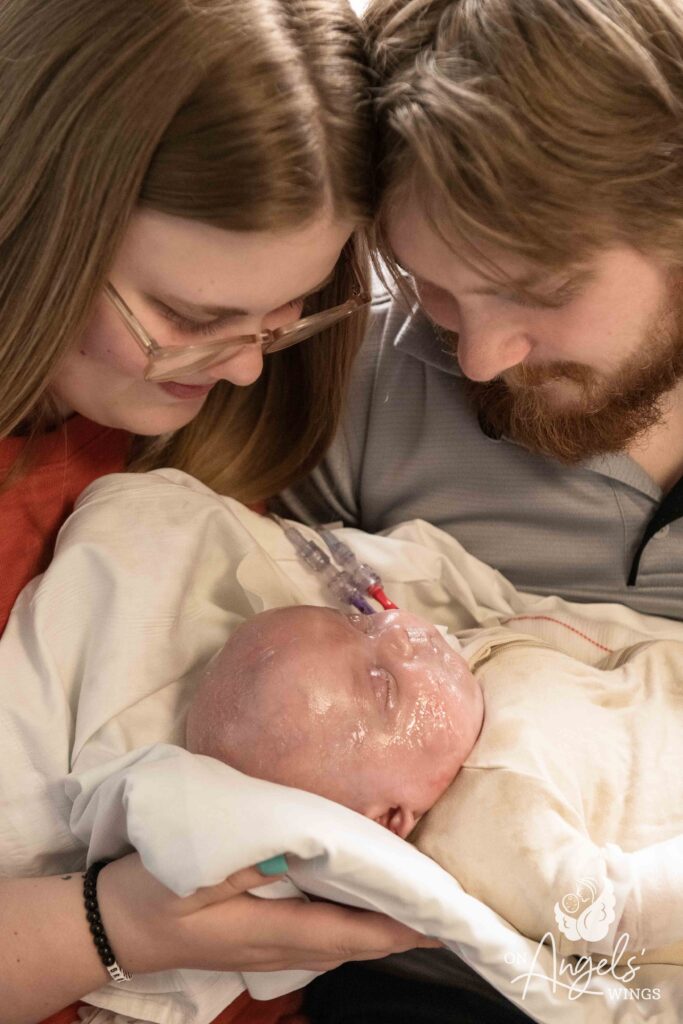
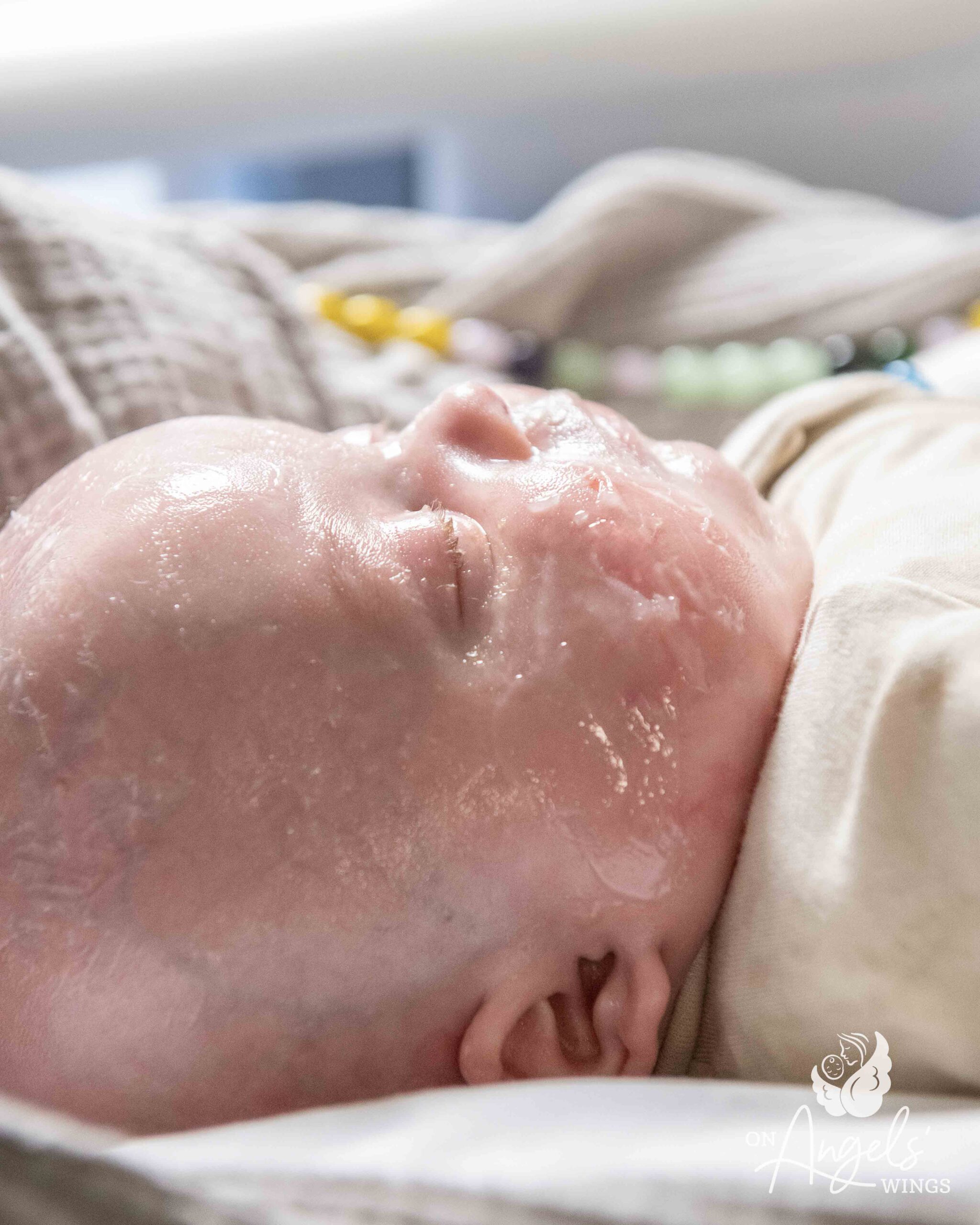
Specialized treatment centers have a team of specialists to help EB patients. This team often includes pediatric dermatologists, dietitians, and psychologists.
Typically, EB patients’ families need treatment training on:
- Managing pain
- Nutrition education
- Alleviating itching of delicate skin
- Protecting skin and wound care
- Treating and preventing infection
- Maintaining or restoring mobility
Care needs vary from patient to patient. Some parents may need training on wound care and bandaging. Once educated, they can safely care for their child at home. Others may require an at-home nurse to administer fluids or help with wound care.
Sometimes parents are even the educators to healthcare staff when it comes to EB wound care best practices.
“There is no right or wrong way of putting dressing on,” says Jones. “I used to have a week’s worth of dressings cut at a time, but sometimes you have to recut stuff differently every single day. What works today may not tomorrow.”
Wound care can also cause emotional upheaval for both parents and children.
“I wish someone had told me that wound care can be emotionally difficult, especially in the beginning,” says Chandler Langford of Kansas City, MO, mommy to Tucker, who has Recessive Dystrophic EB. “You can feel like you’re hurting your child even though you’re doing everything you can to help them. That guilt and fear can be really heavy. Over time, you learn the routine, you learn your child’s cues, and it becomes more manageable.”
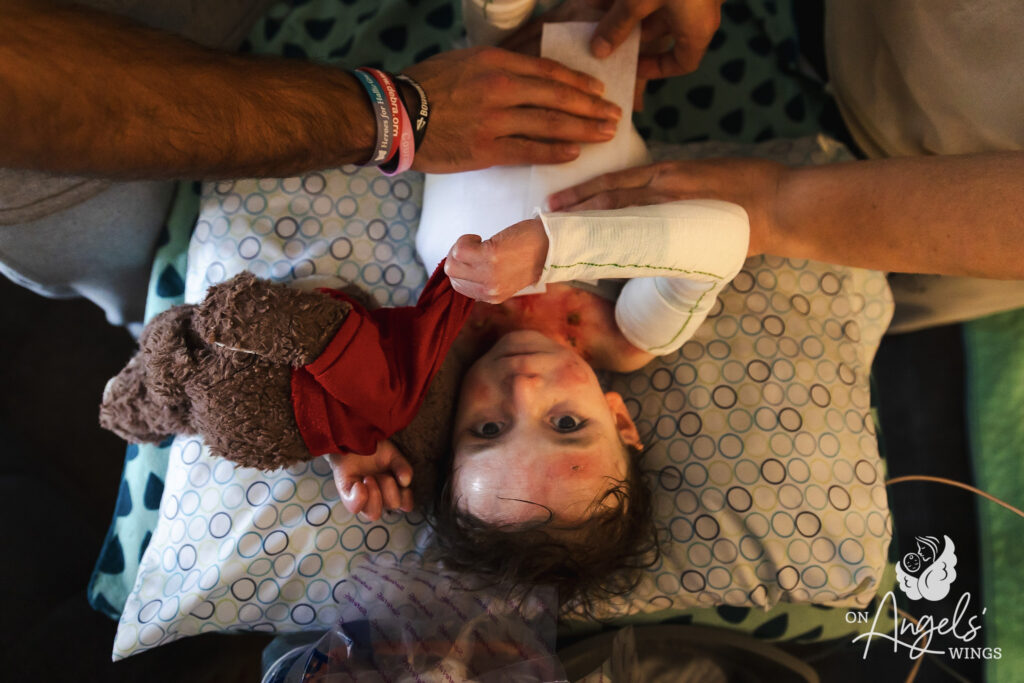
“Another thing I’d emphasize is to prepare for wound care before you actually need it,” Langford adds. “Having supplies organized and knowing where everything is can make those moments much less stressful. I also learned that distractions, comfort, and patience can make a huge difference. Sometimes singing, talking, watching a show, or simply taking a break when your child needs one can make the process easier.”
“And probably one of the biggest things I learned is to give yourself grace,” she continues. “You’re learning how to care for a child with a condition that most people have never even heard of. You’re going to have days where you feel like you handled everything perfectly and days where you feel completely overwhelmed. That doesn’t make you a bad parent. You’re learning alongside your child.”
The U.S. Food and Drug Administration (FDA) has approved a few medications and a skin graft for EB patients. There are also a variety of clinical trials available specific to the EB subtypes that patients may qualify for as well.
EB Complications
Due to the nature of EB, patients often must limit their exposure to others to minimize the risk of infections due to a weakened immune system. Unfortunately, the open blisters and wounds can lead to other health complications.
Potential complications include:
- Anemia
- Dry skin
- Eye issues
- Infections
- Dehydration
- Constipation
- Malnutrition
- Mobility difficulties
- Excessive sweating
- Fusion of toes and fingers
- Narrowing of the mouth, esophagus, or urethra
Learn more about wound care specific to EB at the American Academy of Dermatology Association.
Hospitals in OAW Service Areas
For parents of medically-fragile children, we always encourage second opinions. Doing so can lead parents to a better understanding of their child’s condition. Additionally, it may connect your family to extra resources, support systems, or clinical trials you may have never heard of before.
“I would also encourage families to connect with other EB families as early as they can,” says Langford. “Medical professionals are incredibly important, but there are things another parent can tell you from actually living it that you may never think to ask a doctor about. Sometimes those little practical tips and simply knowing ‘I’m not the only one doing this’ can make such a difference.”
Here are a few different hospitals to consider:
- Ann & Robert H. Lurie Children’s Hospital of Chicago — This hospital has a Multidisciplinary Epidermolysis Bullosa Clinic with a pediatric dermatology division that sees around 20,000 kids annually. Lurie’s also just became the first qualified treatment center in the region to administer ZEVASKYN, the new gene-modified cellular sheet therapy for recessive dystrophic epidermolysis bullosa (RDEB).
- University of Minnesota/Masonic Children’s Hospital – This pediatric location primarily treats recessive dystrophic epidermolysis bullosa and some kinds of junctional epidermolysis bullosa. Known for bone marrow transplant and gene therapy research.
Jones, mother to Matthew who has Recessive Dystrophic EB adds: “You are your child’s biggest advocate, so do not be afraid to speak up about anything. I gave the pediatrician and the hospital an information sheet from the debra organization about EB and had them scan it into Matthew’s file so anyone who is to open it when we are at the doctor and the hospital will know exactly what they can and cannot do.”
Additional Hospitals
- Children’s Hospital of Philadelphia (CHOP) – This hospital has an Epidermolysis Bullosa Multidisciplinary Clinic that treats infants and beyond
- Children’s Hospital Colorado (Aurora) – debra of America–recognized Center of Excellence; also administers the new topical gene therapy for dystrophic EB
- Lucile Packard Children’s Hospital Stanford – Pioneered gene therapy gel and skin graft therapy for severe EB, treats through young adulthood
- Cincinnati Children’s Hospital – Provides both outpatient clinics and inpatient care, along with consultations via phone or email.
- Phoenix Children’s Hospital – Provides care for babies through adulthood for all types of EB.
Note: Always be sure to call and see if the hospital or treatment center still provides the necessary surgeries or care since policies and options change often.
“[EB parents] at times, will tell doctors about the disease,” says Spencer of Springfield, whose son Kaysen had Junctional EB, Herlitz type. “THEY WILL KNOW best for their child above ANYONE. We often had to advocate for things to be done correctly for Kaysen with physicians, Hospice, and others who thought they knew better than we did.”
Where to Learn More About Epidermolysis Bullosa
For families who recently received the news that their child has EB, it may feel like no one in the world can understand how you’re feeling. Because it is a rare condition, you may encounter doctors, family members, and others who simply have no idea what your child is experiencing.
There are other families like yours, though. Many are dedicated to supporting one another and finding a cure. Learning more about the condition and that others have gone through a similar experience can help you feel less alone.
Here are support options for you and your family:
- debra of America
- EB Hope Foundation
- The Butterfly Family Fund
- NORD Rare Disease Reports
- American Academy of Dermatology Association
- Epidermolysis Bullosa Medical Research Foundation
If you or a loved one has a child with Epidermolysis Bullosa, please reach out to us for details on our free therapeutic grief support. We’re here to support your journey as you need it.
