By Tiffany Palmer
Mommy to Jack
Hypoplastic Left Heart Syndrome, now post heart and double lung transplant
Born January 2018
On September 6, 2017, we found out at our 20-week ultrasound that our baby had a congenital heart defect (CHD). After many tests, scans, and ultrasounds, the medical team diagnosed our baby, Jack, with Critical Aortic Stenosis. We sought out every medical option possible, sending Jack’s scans and information to hospitals across the country that specialized in pediatric heart conditions in hopes that fetal intervention would be an option. We even traveled to Texas Children’s Hospital hoping they could help.
Unfortunately, no hospital would agree to perform the fetal surgery our baby needed. Several doctors told us that Jack would not survive the pregnancy. By now, his heart showed more signs of stress, and his diagnosis evolved to Hypoplastic Left Heart Syndrome with an Intact Septum. We were devastated. At that moment, whatever hope we had left seemed to disappear. We traveled back to Kansas City not knowing what came next or what we could even do. I felt completely helpless.
The odds were stacked against us from the very beginning. So many doctors gave us little to no hope that dreaming about a future of any kind became difficult. We got to a point where we focused on things day by day instead of looking long term. We knew Jack’s heart was damaged and most likely his lungs too, but we wouldn’t know for sure until after delivery.
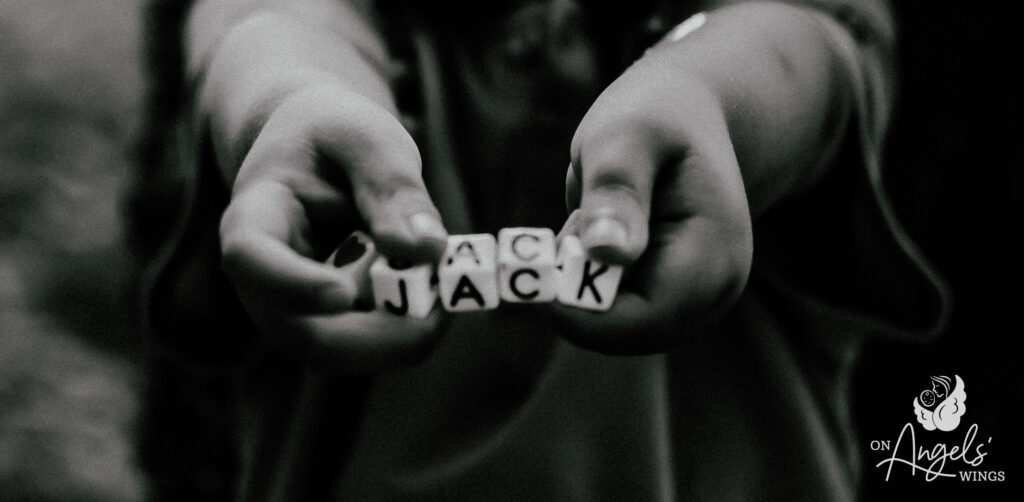
Thankfully, my fetal specialist gave us a little hope back. He told us that the only person who truly knew what was wrong with our baby and what was going to happen was God. Doctors could only base their opinions on previous experiences, but our experience was our own. He said we would continue monitoring for signs of organ damage or failure and go from there.
Then, at the end of November 2017, the cardiac team at our local hospital met and decided there was nothing they could do for our baby. They would only offer comfort care measures at delivery. I was 34 weeks pregnant and completely devastated once again. We asked for second opinions from several nationally known pediatric hospitals. I will never forget what our cardiologist said when we asked. “I wouldn’t expect a different answer if I were you.” I will remember that statement for the rest of my life.
In December 2017, we traveled to St. Louis for a second opinion at St. Louis Children’s Hospital. They didn’t promise us anything but they were willing to give us a chance. They listened to our hopes, our dreams, and our desire to give our son a chance. We knew the chances of survival were slim, but all we were asking for was an opportunity. That chance changed our entire lives, and we will forever be grateful that they were willing to give Jack that chance.
On January 16, 2018, Jack Liam was born and weighed 9lbs 3oz. He was welcomed into the world by Mom, Dad, big sister Allison, and big brother Max, along with lots of other family and friends praying for us and him. He was delivered by C-section at Barnes so the medical team could move quickly. We had been told that we might never hear a cry or see any movement from our son. But Jack continued to defy the odds. Before they placed his breathing tube, he cried. He came into this world ready to fight. The team placed him in a transport isolette and whisked him away to the ajoining St. Louis Children’s Hospital. By four minutes of life, he was already in the cath lab.

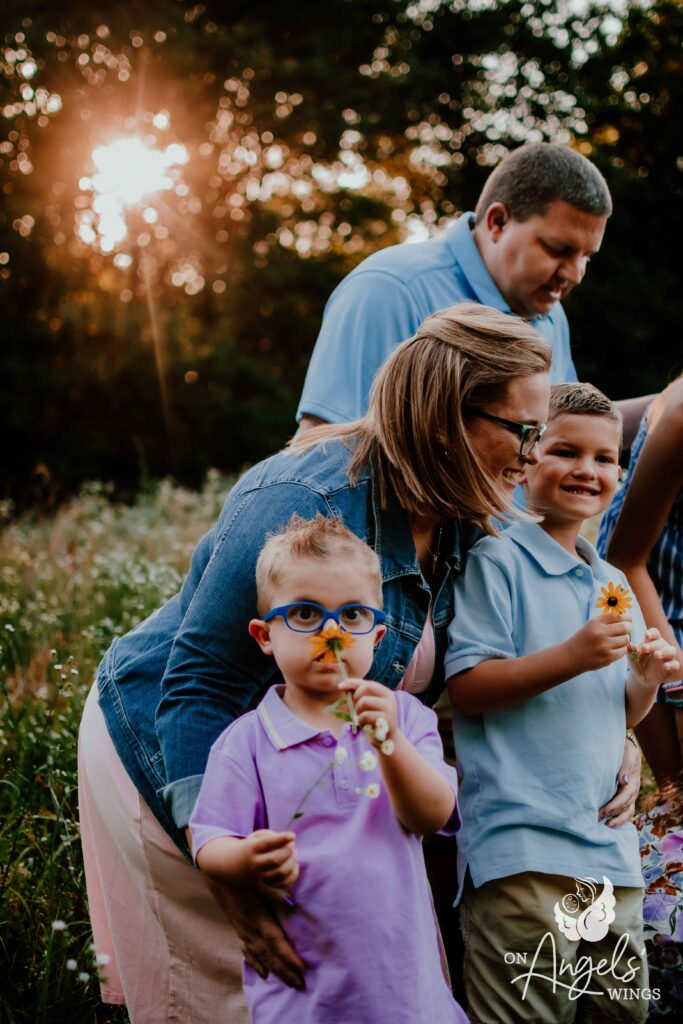
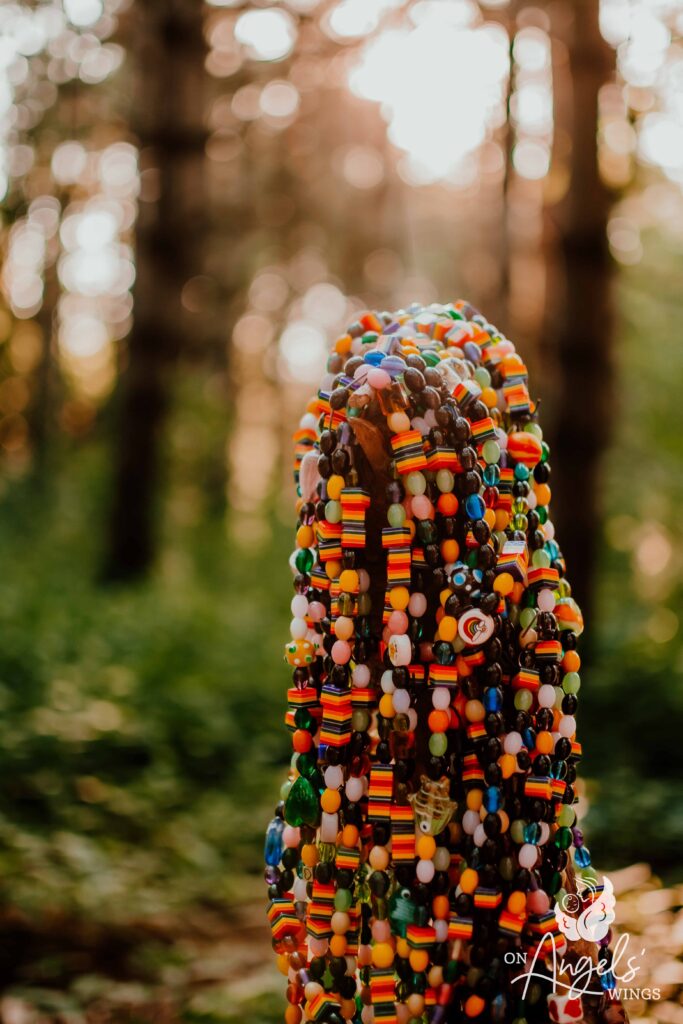
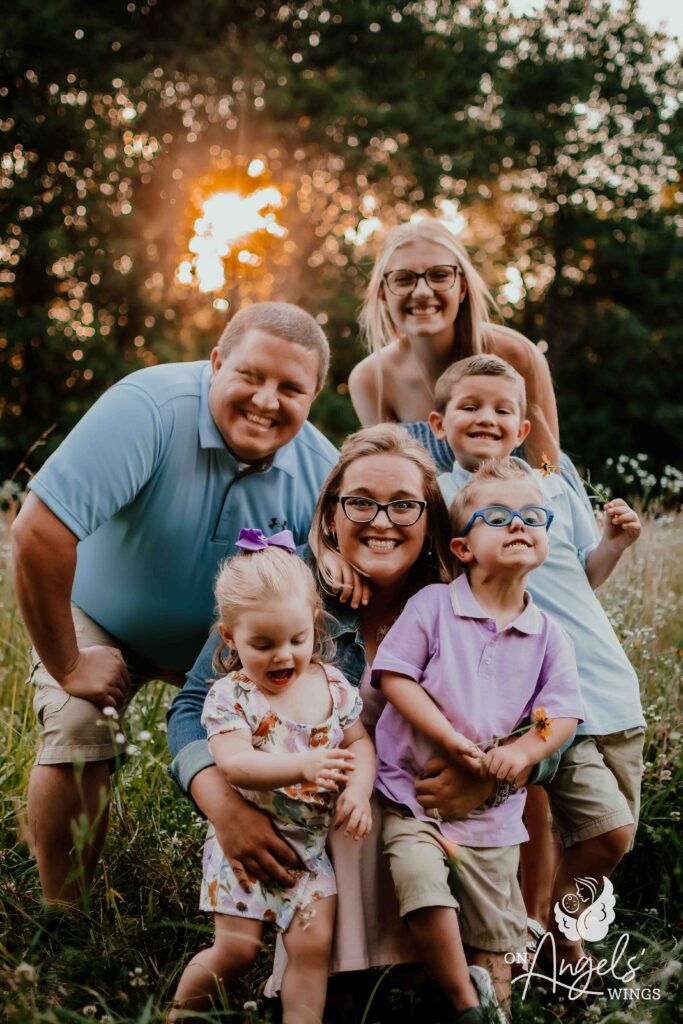
While he was in the cath lab, a stent was placed between the atria of his heart to improve blood flow and reduce pressure on the left side. After further evaluation, doctors determined that Jack’s only chance of survival was a heart and double lung transplant. At that time, there had not been a successful infant heart and double lung transplant in more than ten years. We knew it would be an uphill battle, but if Jack wasn’t giving up, neither were we. After 100 days on the transplant list, Jack received his new heart and lungs on May 23, 2018.
When we received the call the morning of the 23rd we were excited because this was Jack’s chance of having a life outside the hospital. We were scared knowing he may not survive the surgery. And we were sad because we knew another family was grieving the loss of their loved one as we prepared for a future for Jack. Organ donation is a beautiful gift that comes from something tragic. As we prayed for a smooth surgery, we prayed for Jack’s donor and their family. We promised that we would never ever forget them and never take this beautiful gift for granted. We don’t know anything about Jack’s donor or their family, but I hope they know we cherish this gift each and every day and that ‘thank you’ will never be enough.
Jack spent the first 197 days of his life in the hospital. After discharge, we remained in St. Louis for another month for follow-up appointments and lab work before finally receiving permission to return home to Kansas City in September 2018. He was readmitted to St. Louis later that October for an infection and again in April and May of 2019. After that, he went more than a year without another admission. Over the past several years, he has averaged one or two admissions annually, thankfully nothing as serious as what we faced in the spring of 2019.
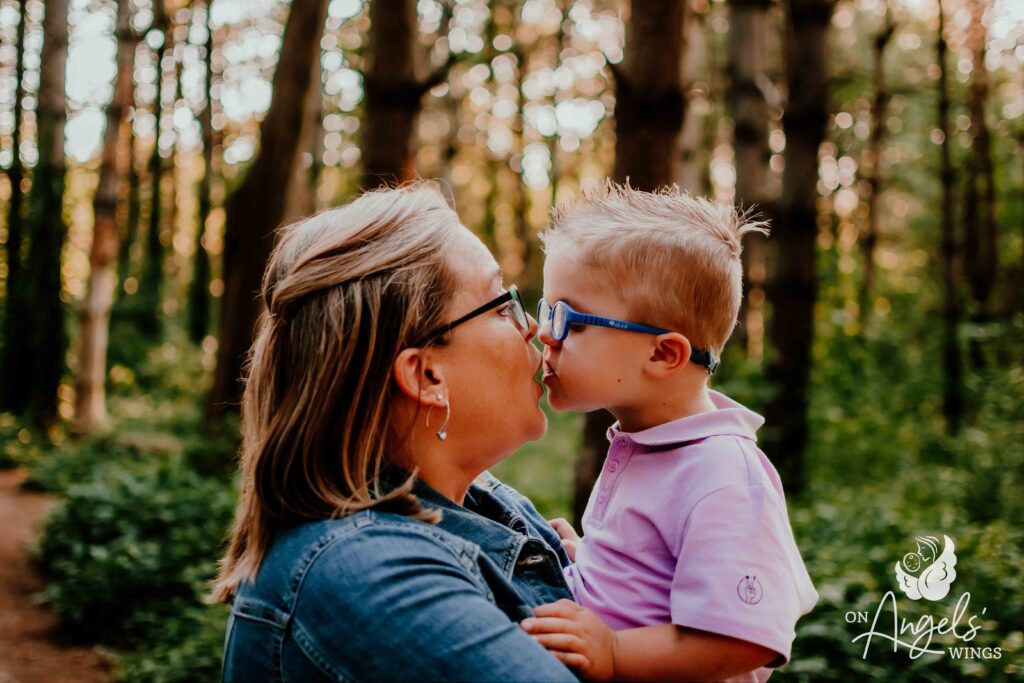
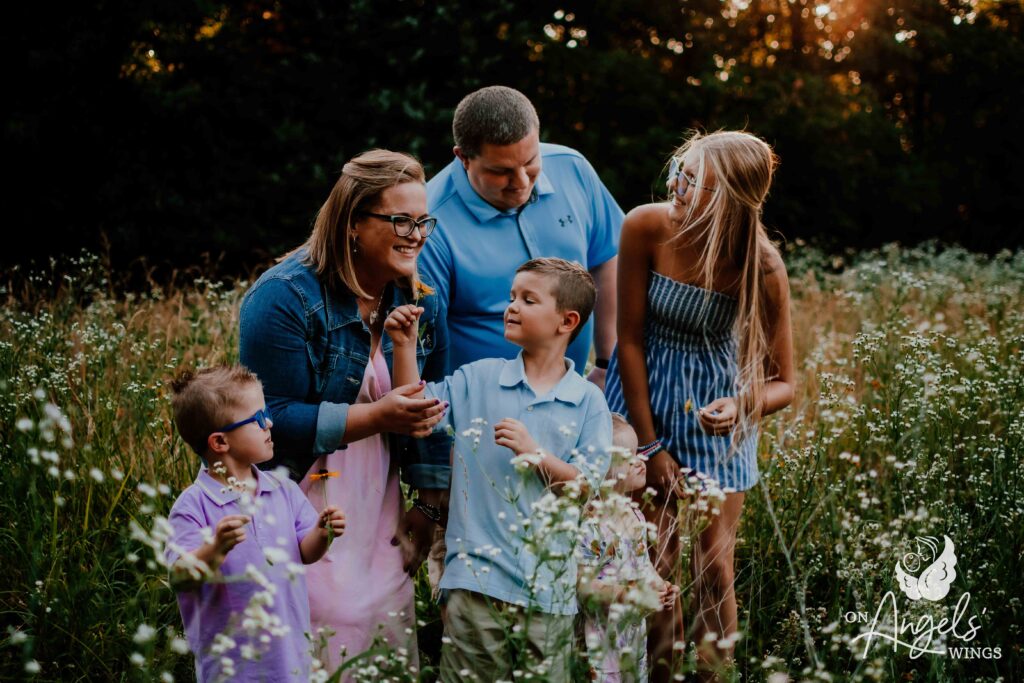
One of the hardest parts of almost every admission was that they took place in St. Louis while our jobs, home, and daily life remained in Kansas City. During Jack’s initial hospitalization, we were fortunate to have an apartment through Ronald McDonald House. I stayed in St. Louis during the week while Chuck remained in Kansas City working. On weekends, we traded places. Max either stayed in Kansas City with his dad or came to St. Louis with me. When he came with me, my mom often traveled from Iowa to help so I could spend time with both of my boys. It wasn’t easy, but we made it work. As Jack has gotten older, one of us has stayed with him in the hospital around the clock whenever he’s admitted. It’s been hard on all of us, but we always try to make the best of the situation. Within the past year, Children’s Mercy finally agreed to admit him locally for non-transplant-related issues, which has made life significantly easier.
We stayed strong by leaning on our faith, which is what has carried us through everything over the past eight years. When we chose to move forward with transplant, we knew we were exchanging one set of problems for another, but the new set of challenges would allow us to bring Jack home. Our journey started focused on the heart, transitioned to heart and lungs, and after transplant the lungs became the main focus. Lung transplants are incredibly difficult to manage long term and come with their own unique challenges. Through it all, our faith has remained the foundation that carries us forward.
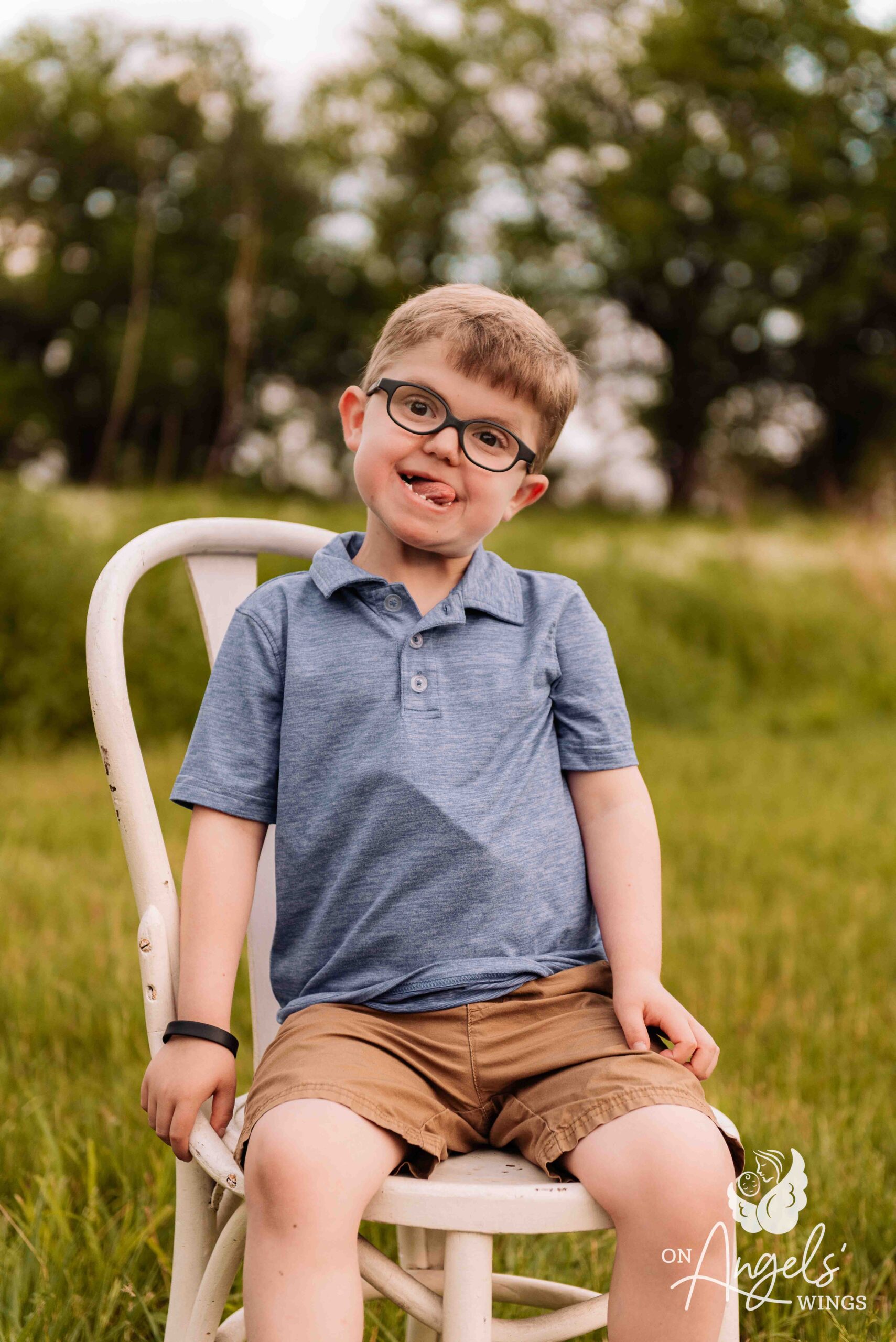
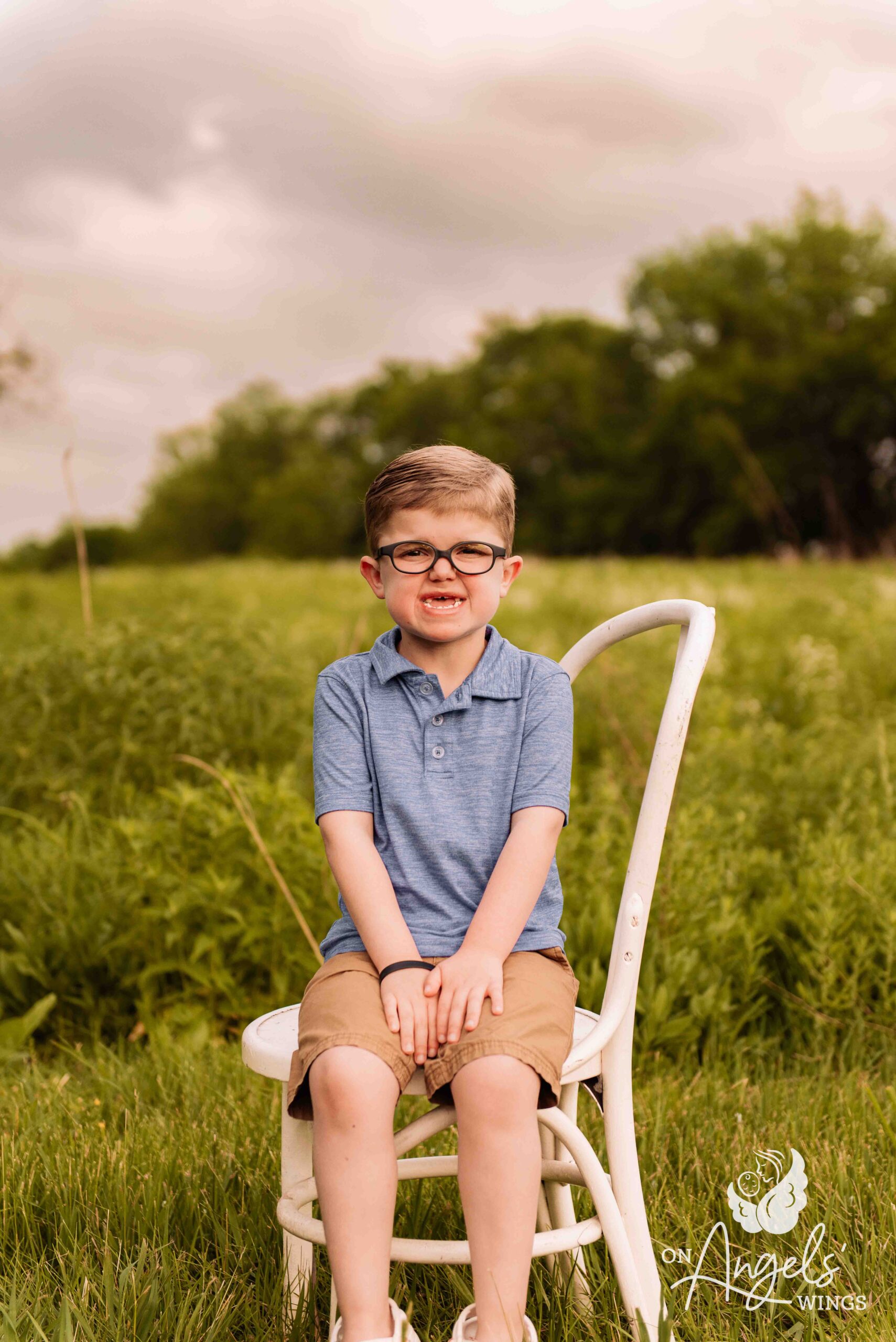
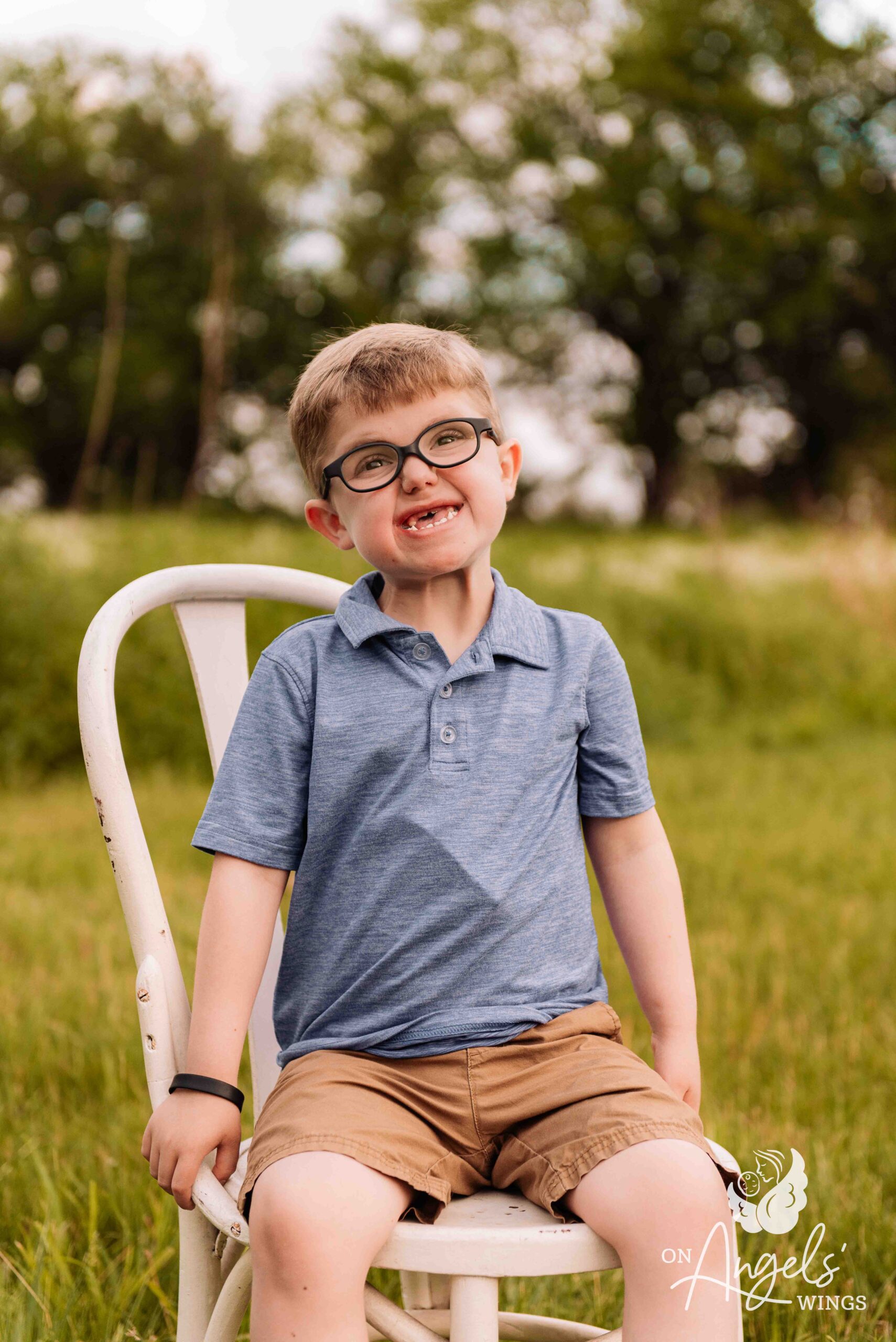
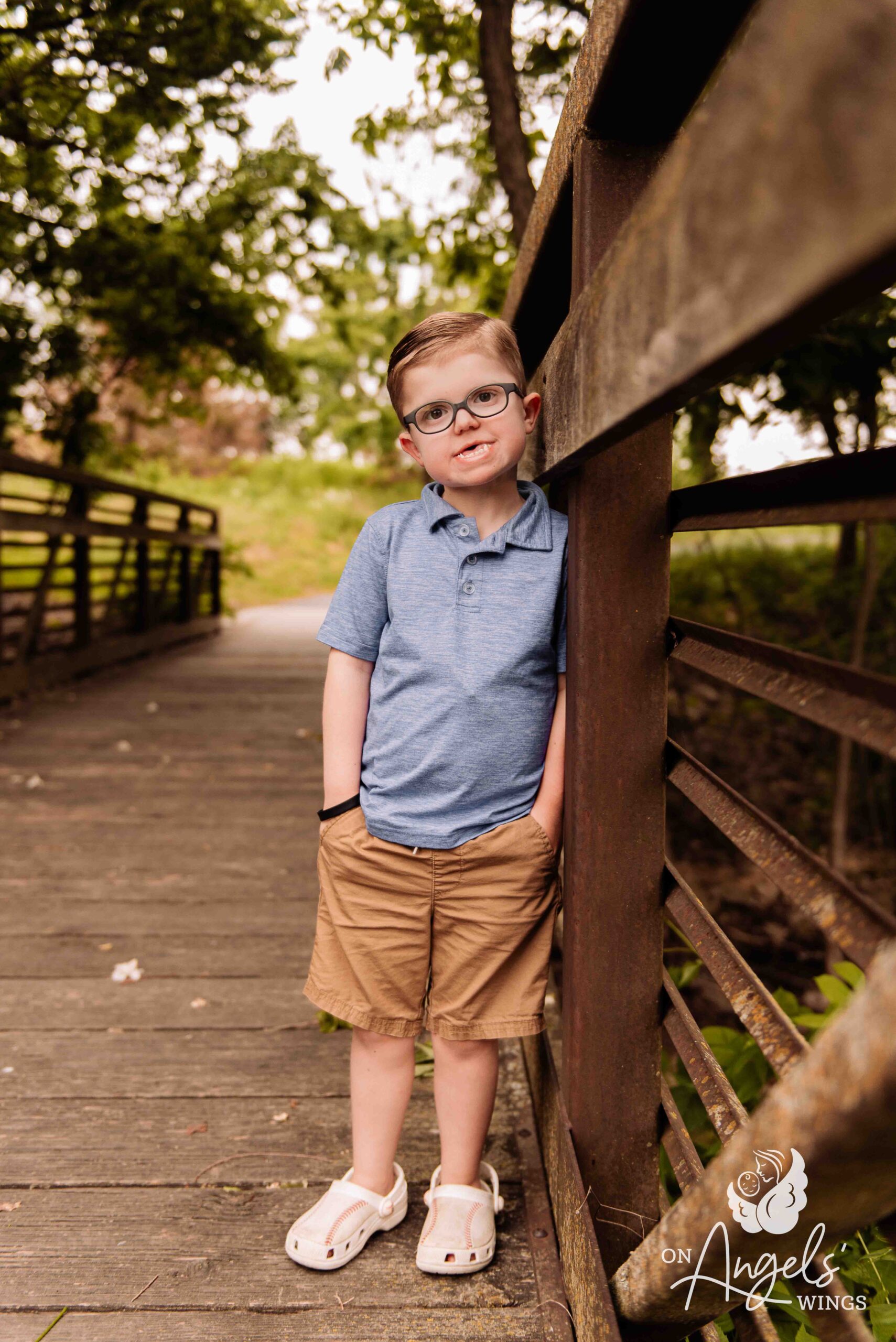
Today, Jack is eight years old. He isn’t just living—he’s thriving. He still faces battles and challenges, but he approaches every one of them with an incredible attitude. He loves sports and keeps our entire family updated on scores, games, and special events. Baseball and football are his favorites, although Mario and video games are always in the mix too. He currently does homebound schooling to help reduce exposure to germs and viruses. Every cold causes damage to his transplanted lungs, so we work hard to keep him healthy.
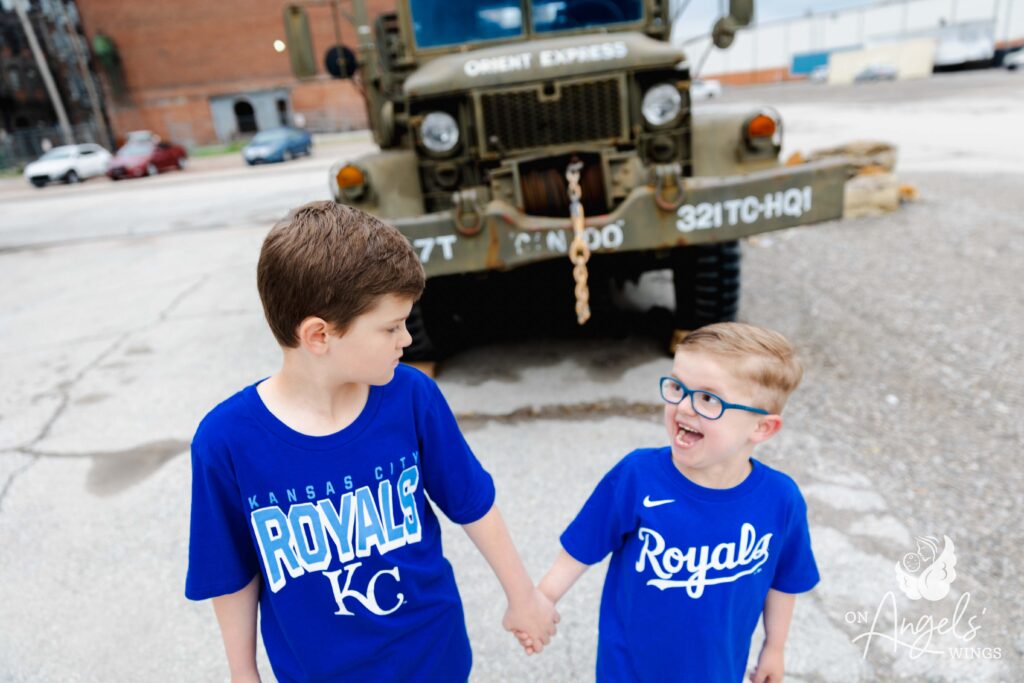
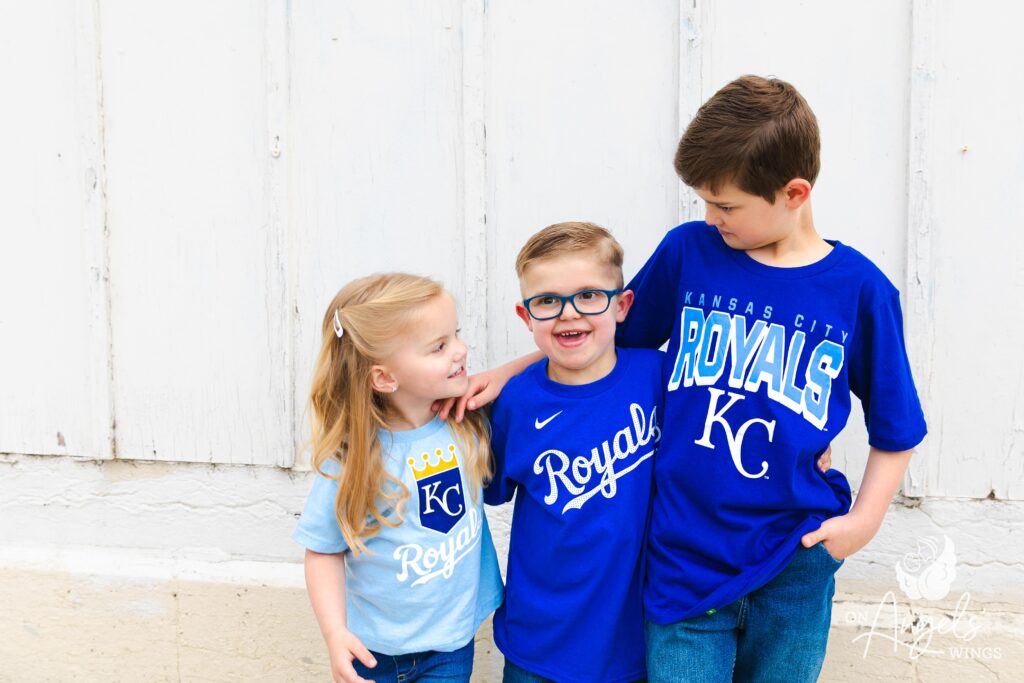
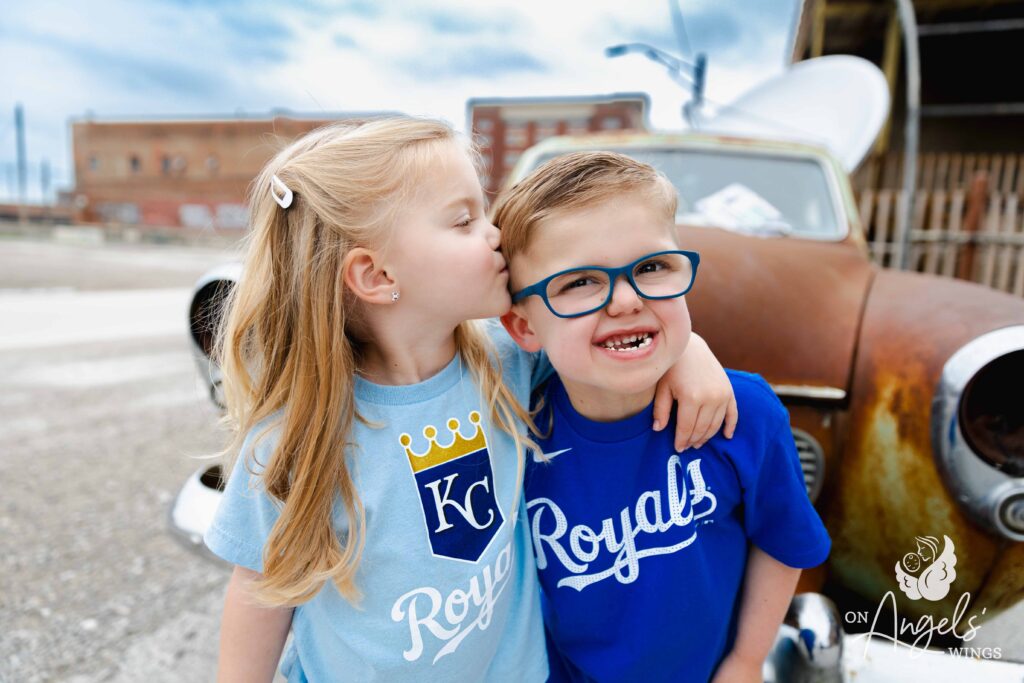
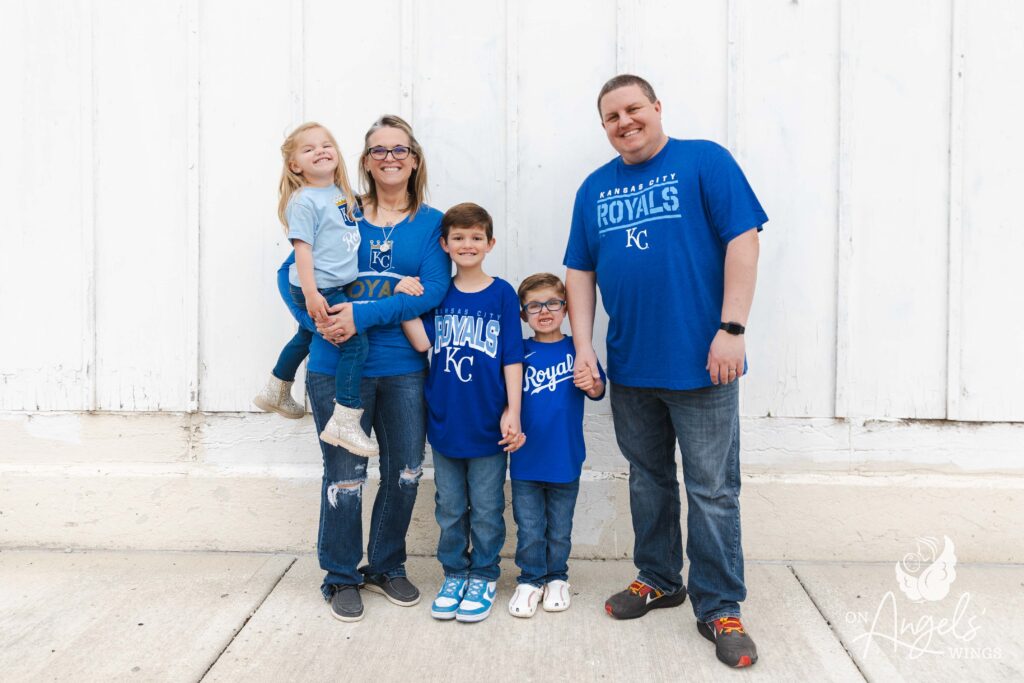
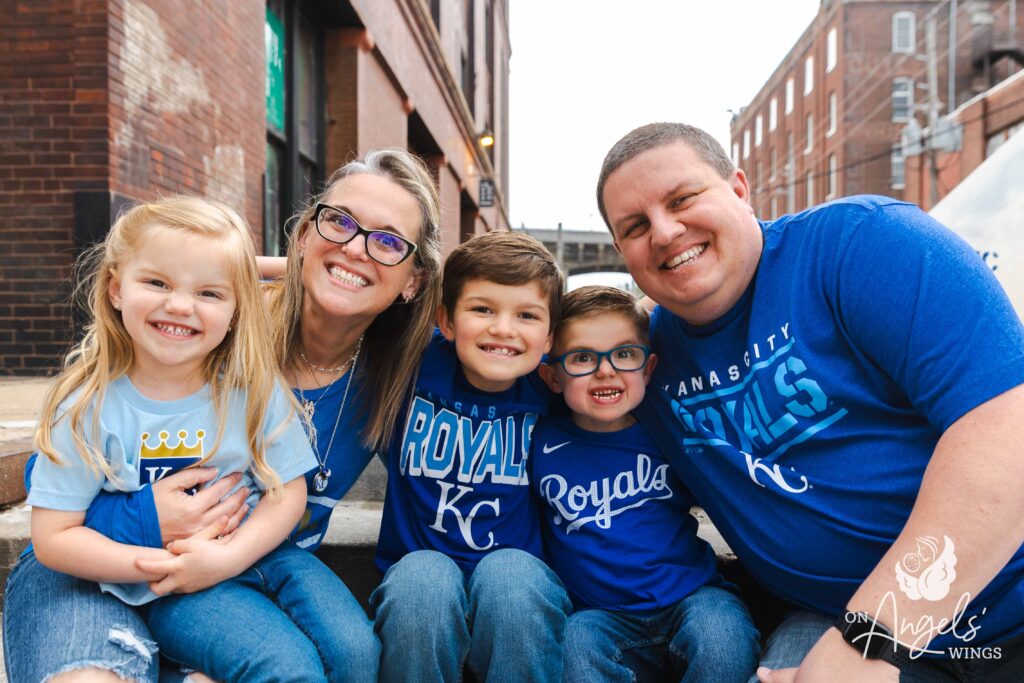
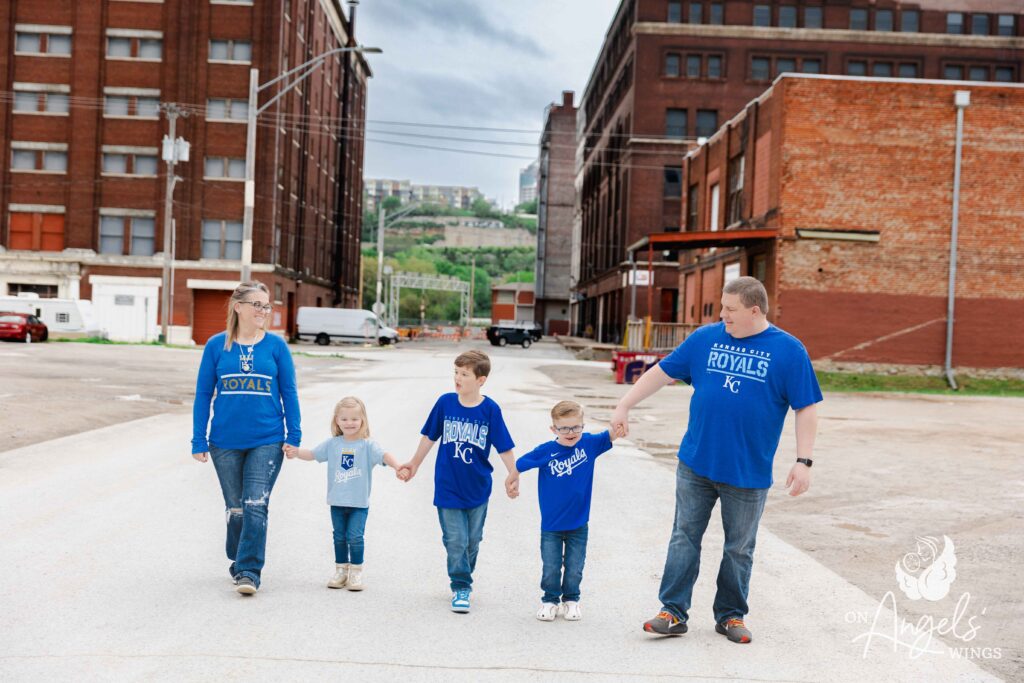
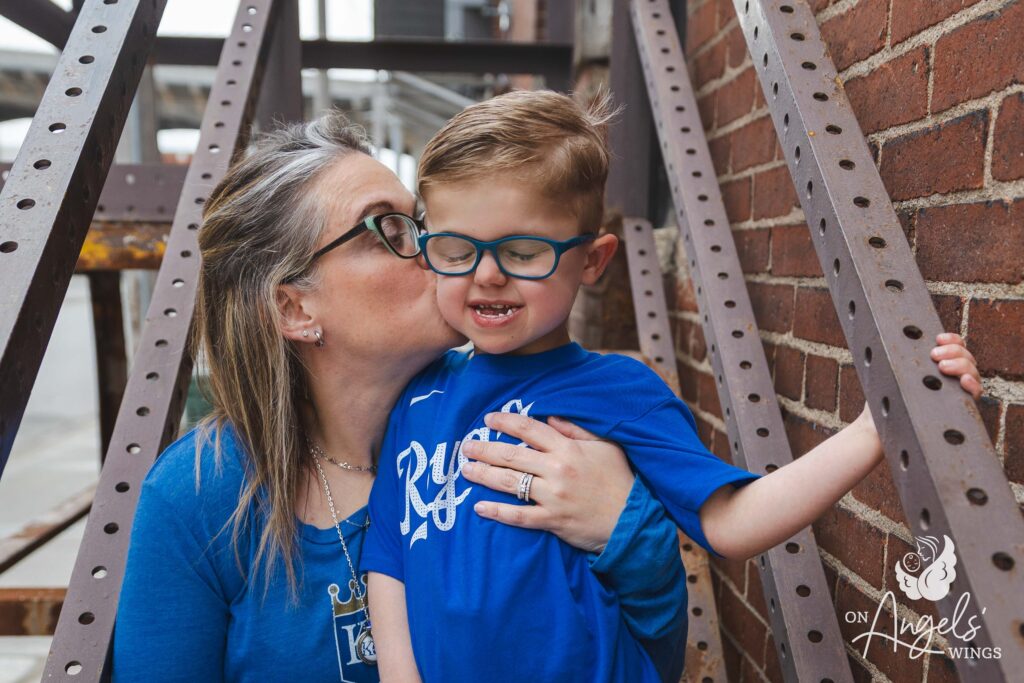
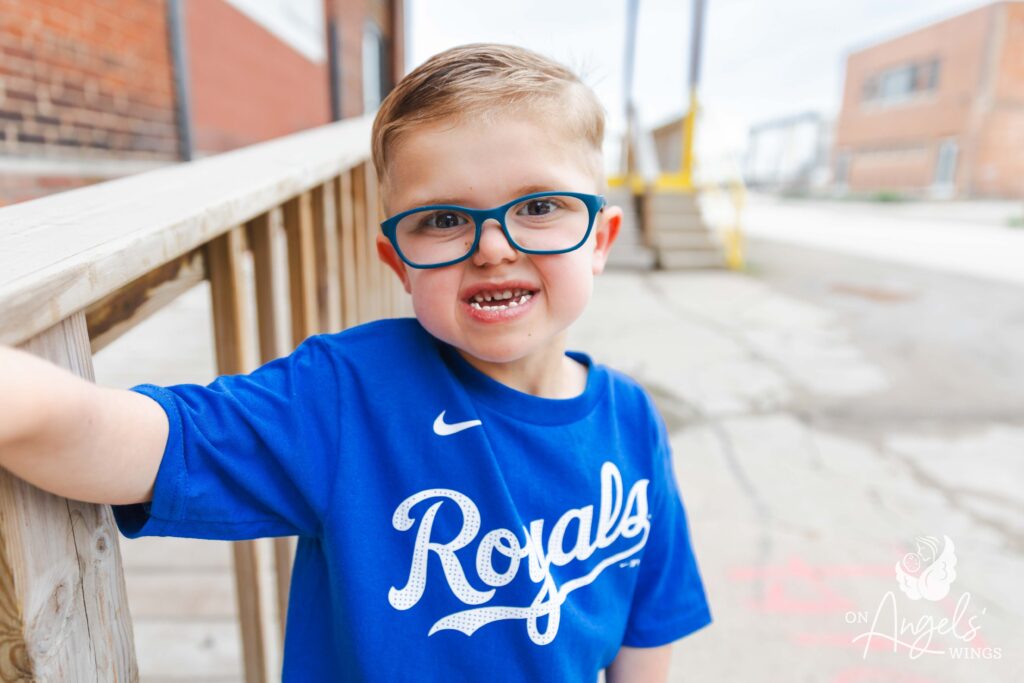
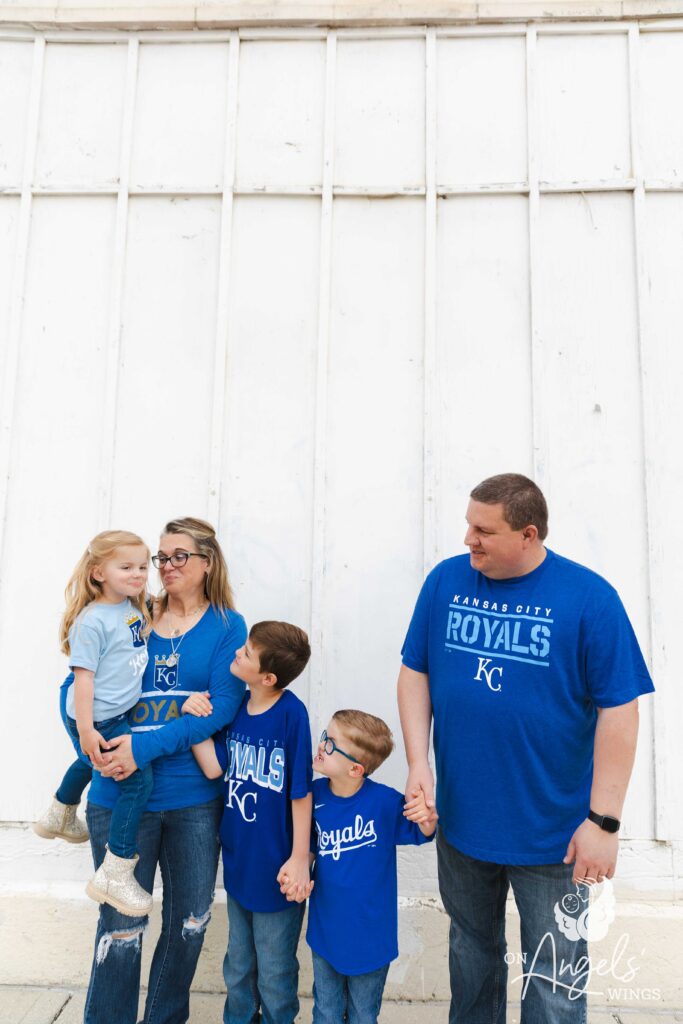
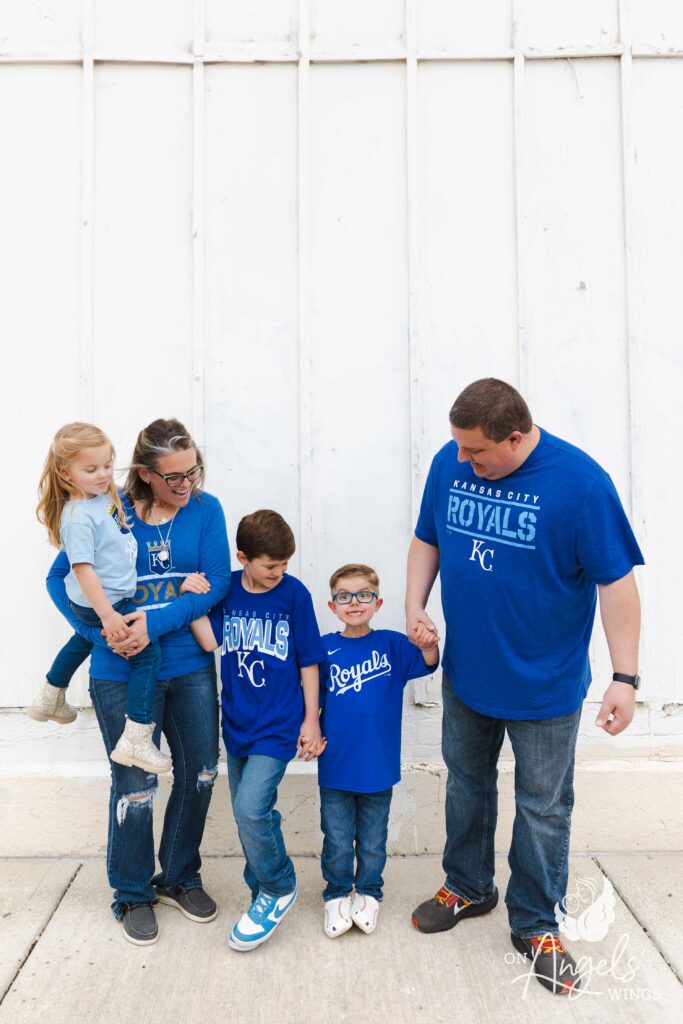
Jack plays T-ball and absolutely loves it. He enjoys playing outside with his siblings and neighborhood friends. He’s almost always joking around and has developed a wonderful sense of sarcasm, which often makes it difficult for us as parents not to laugh right along with him. More than anything, he wants to be included, loved, and able to talk about sports.
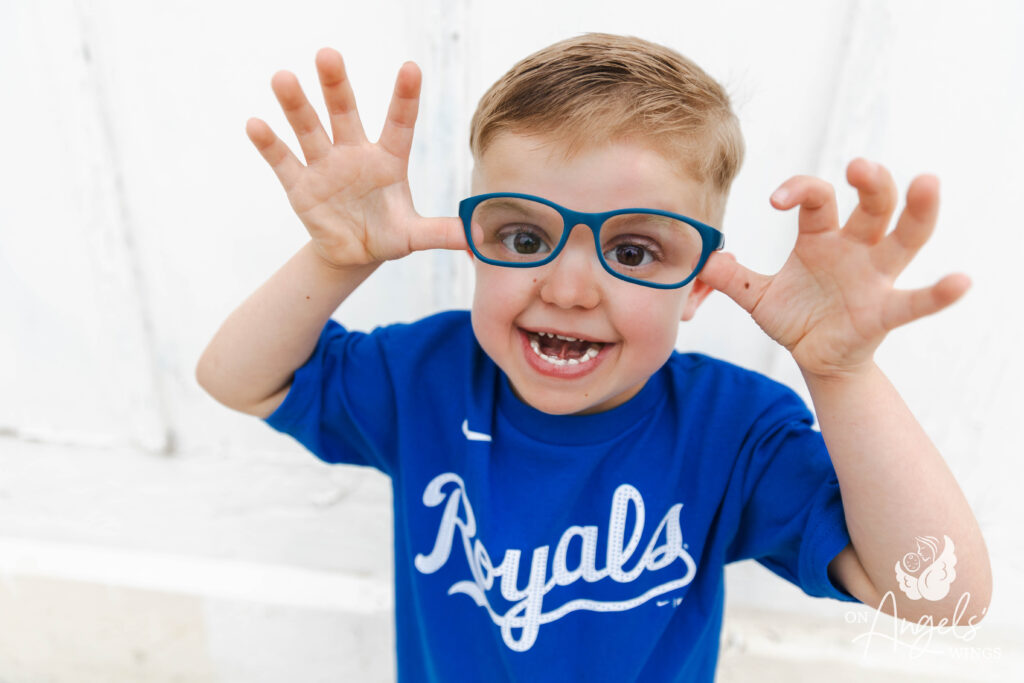
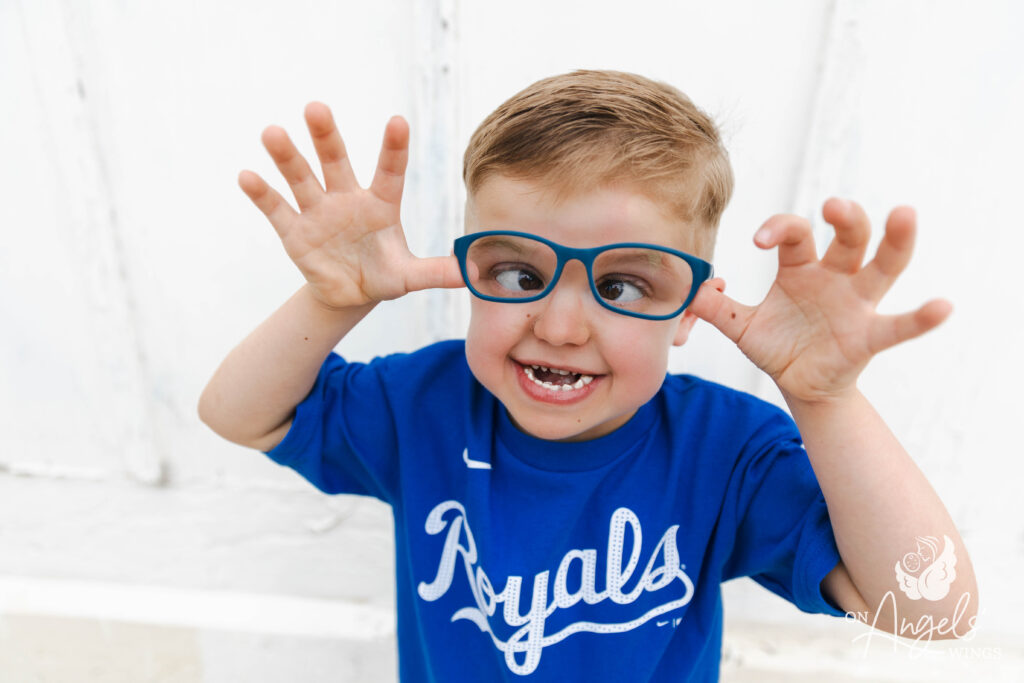
Jack has been defying odds since before he was born. He will fight for his entire life, and we will fight right alongside him. Over the next several years, our hope is simply that he continues enjoying every day to the fullest, no matter what that looks like. Because of a donor, God, an incredible medical team, and relentless parents, we get to enjoy this roller coaster of life with our son. We pray that continues for a very long time.
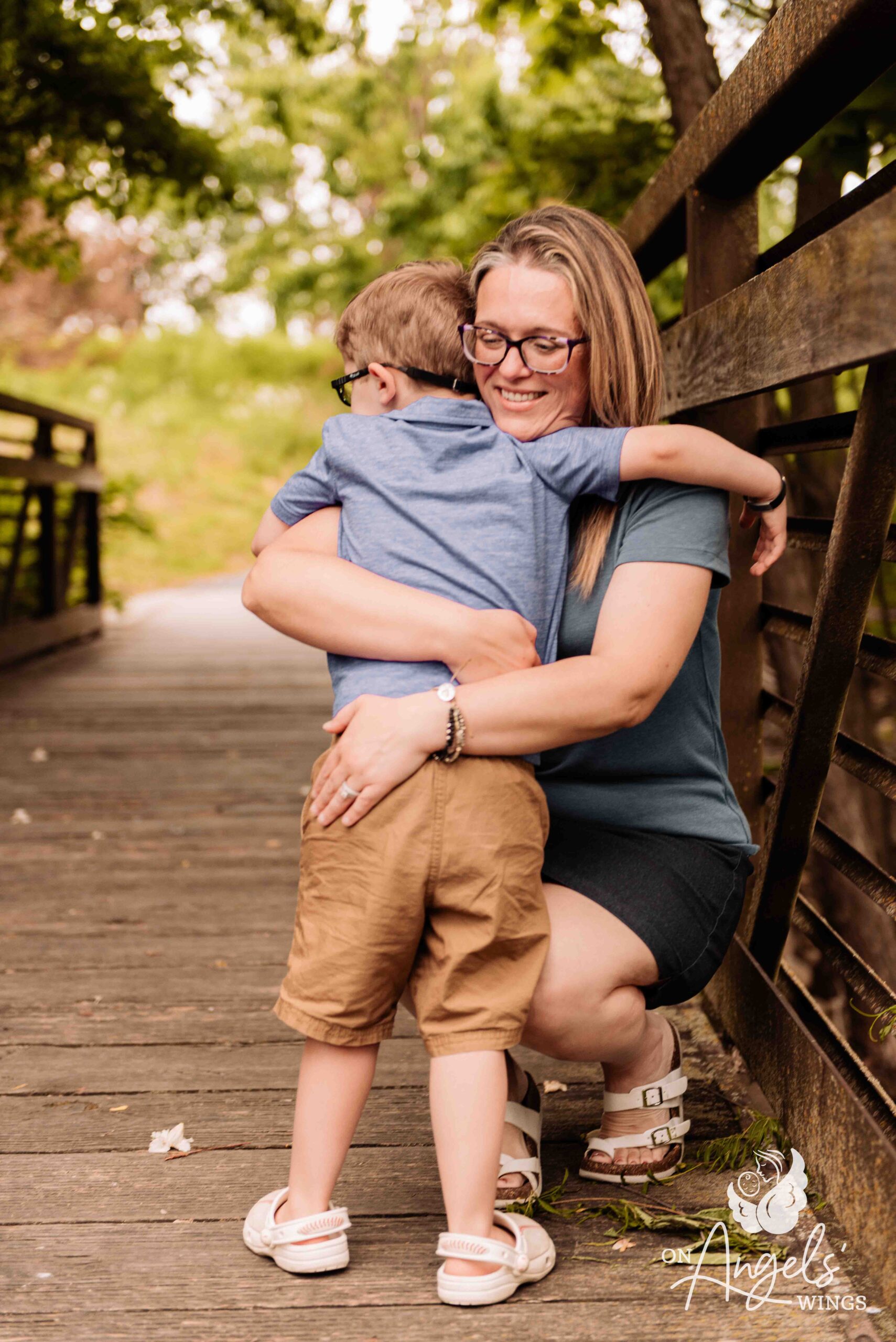
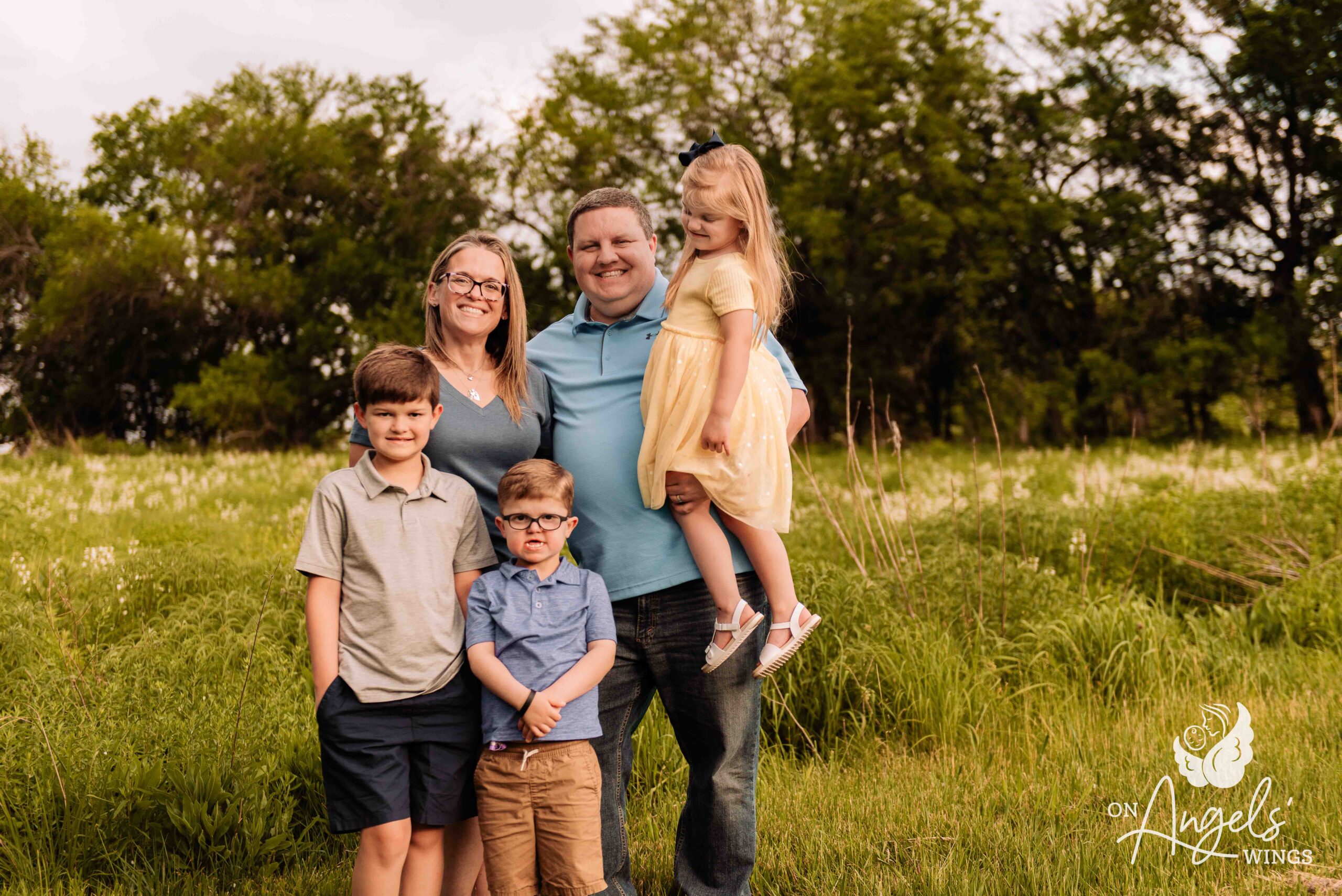
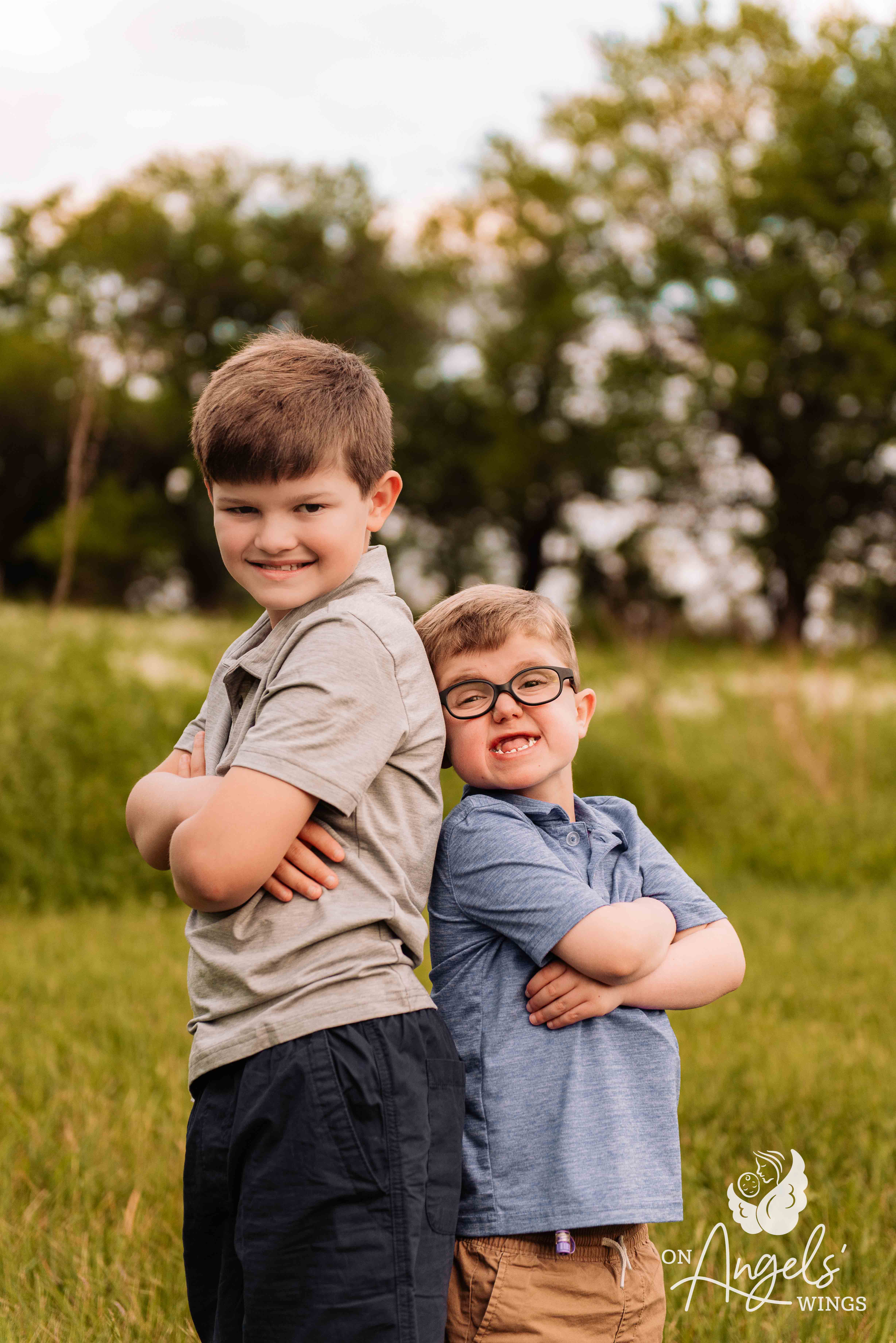
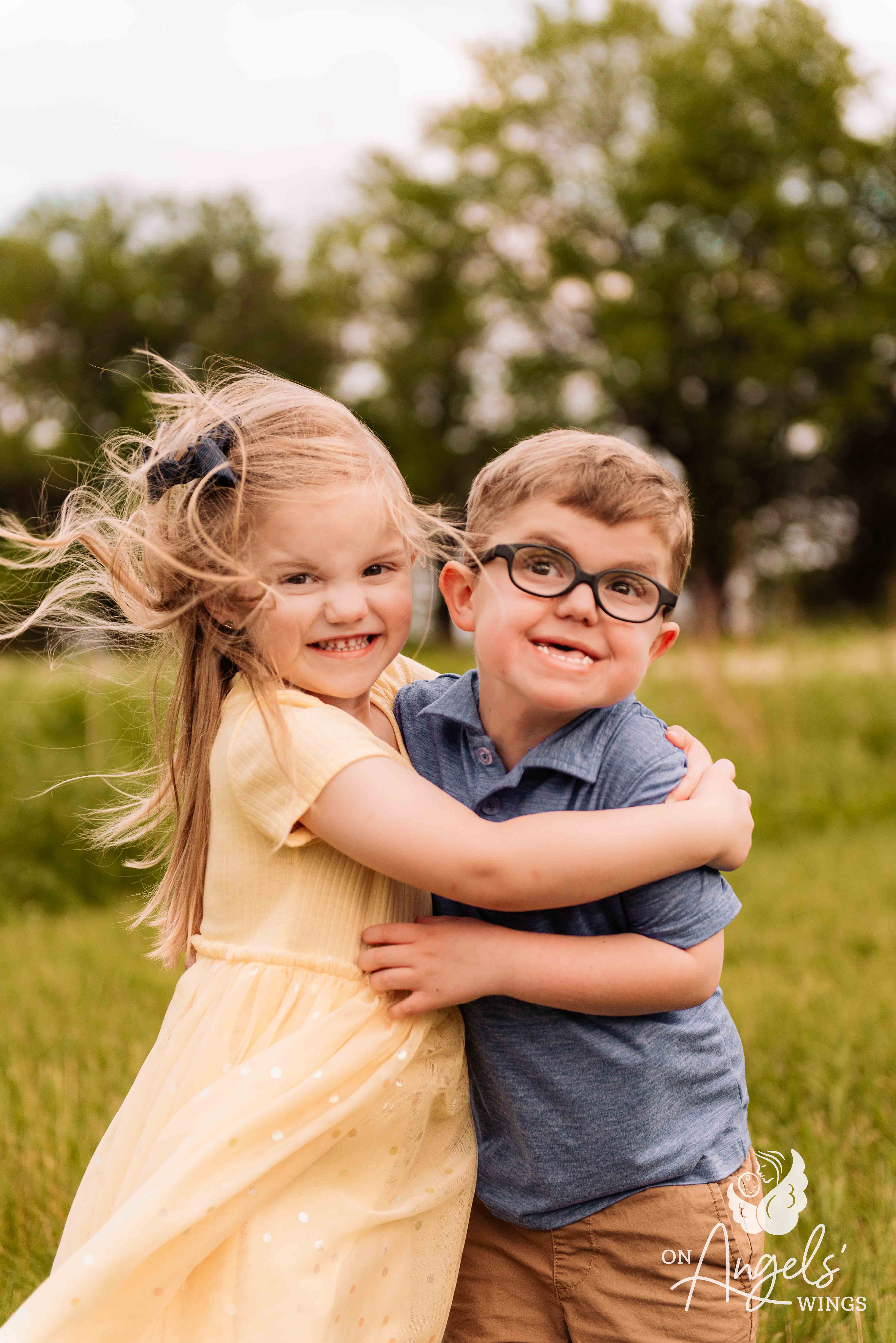
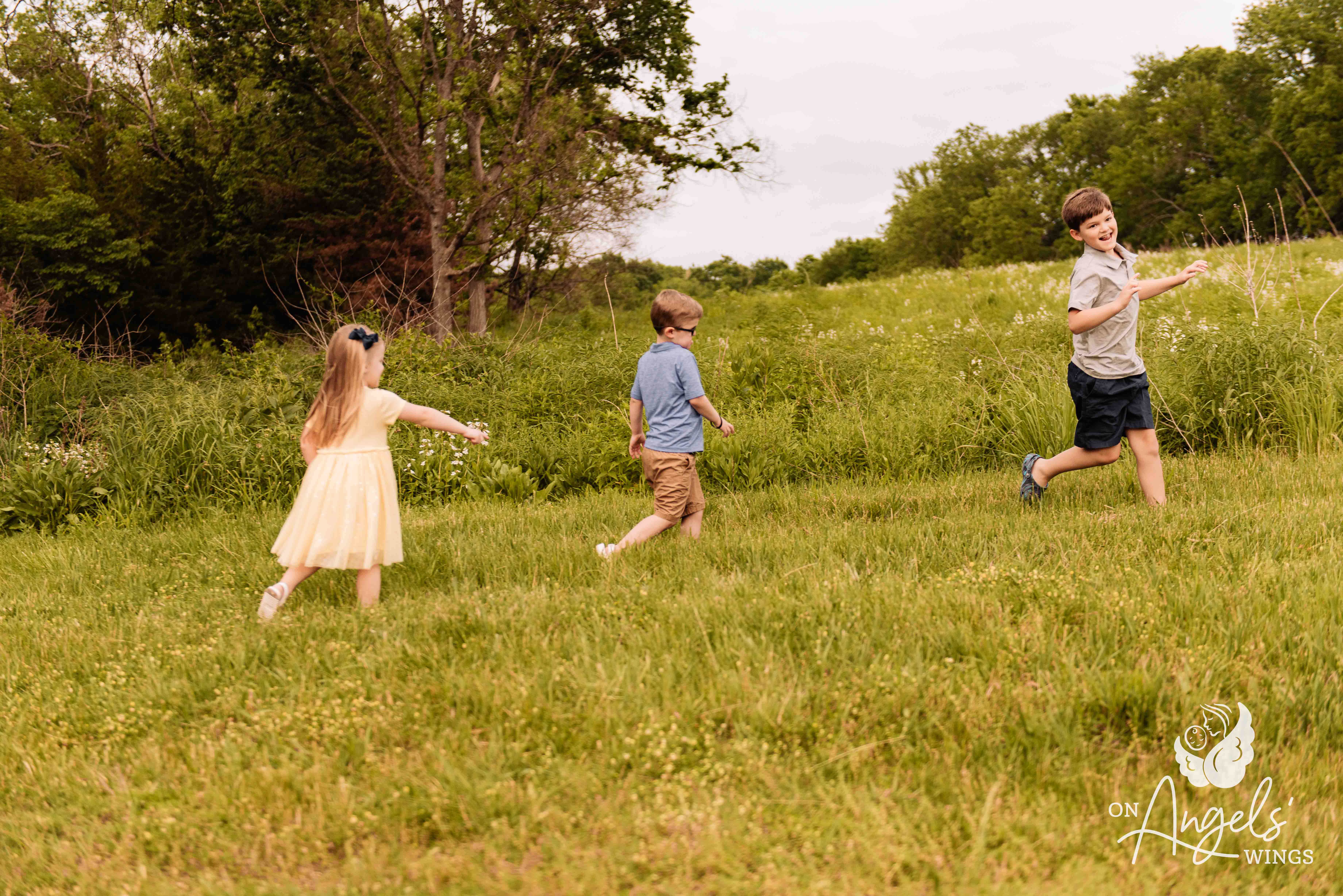
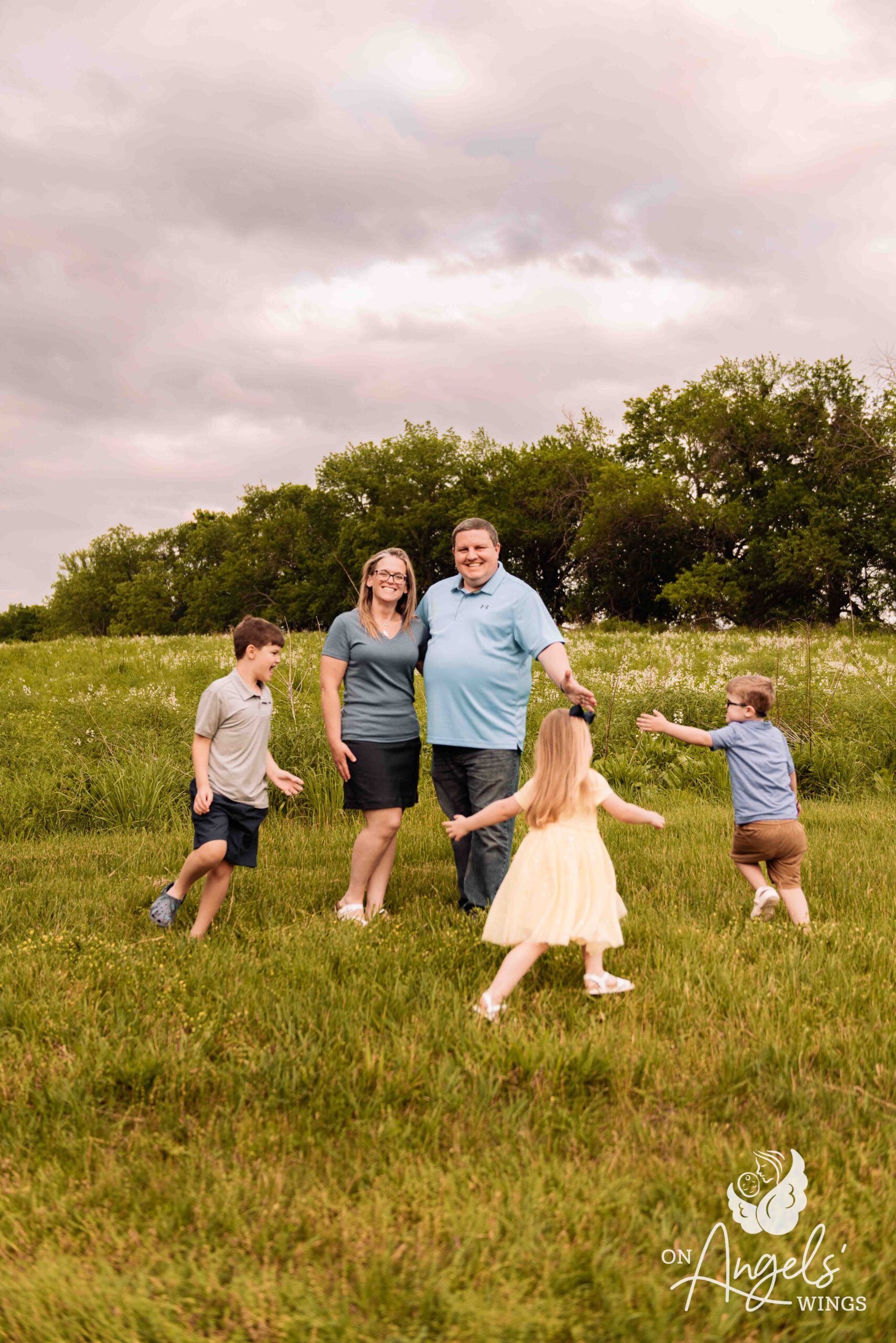
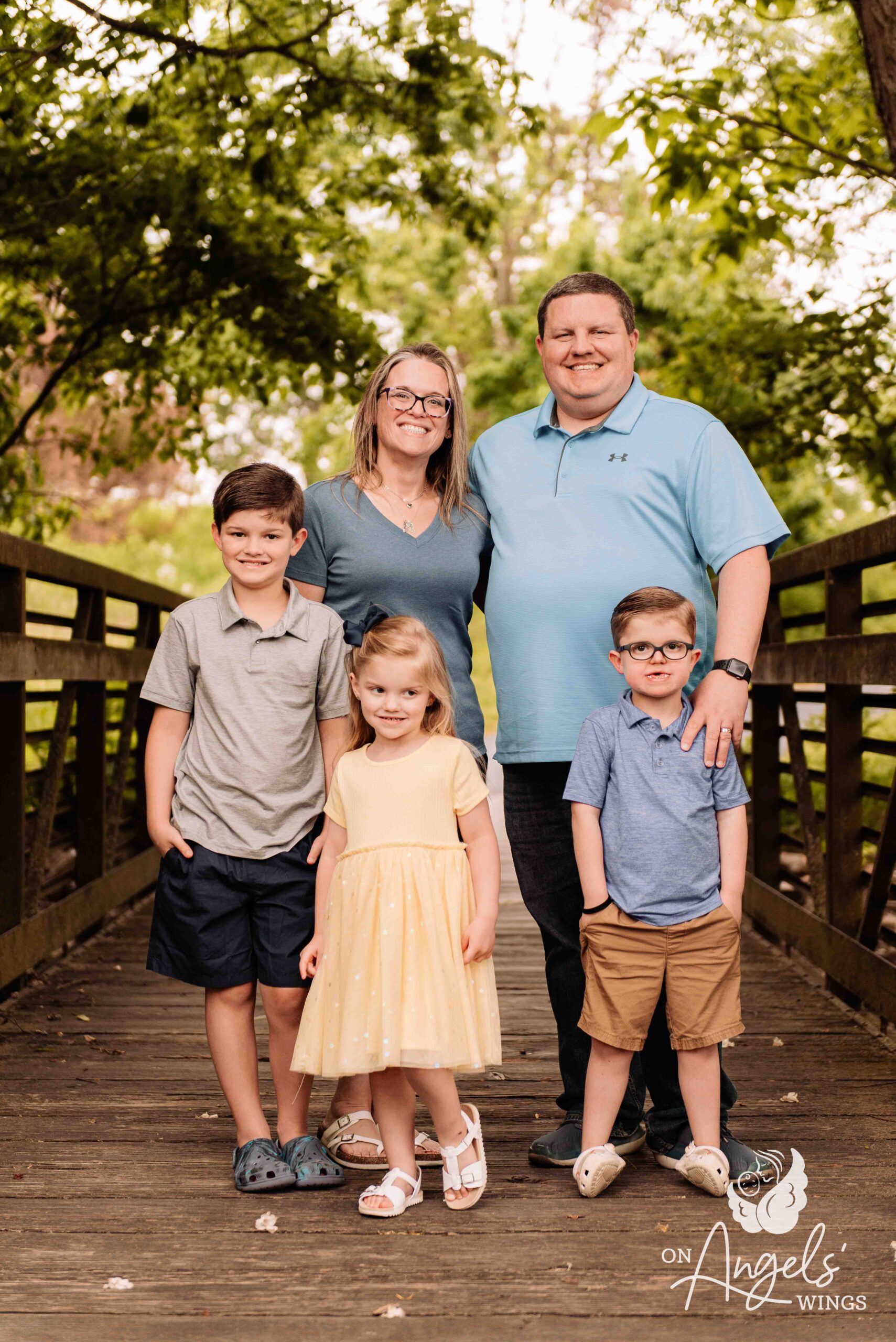
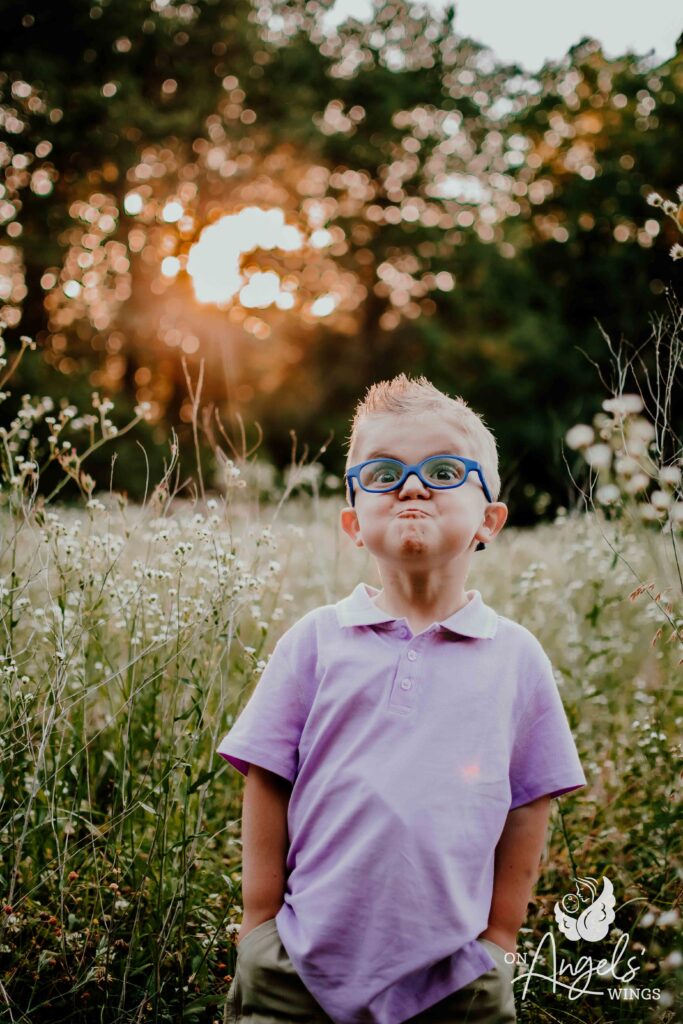
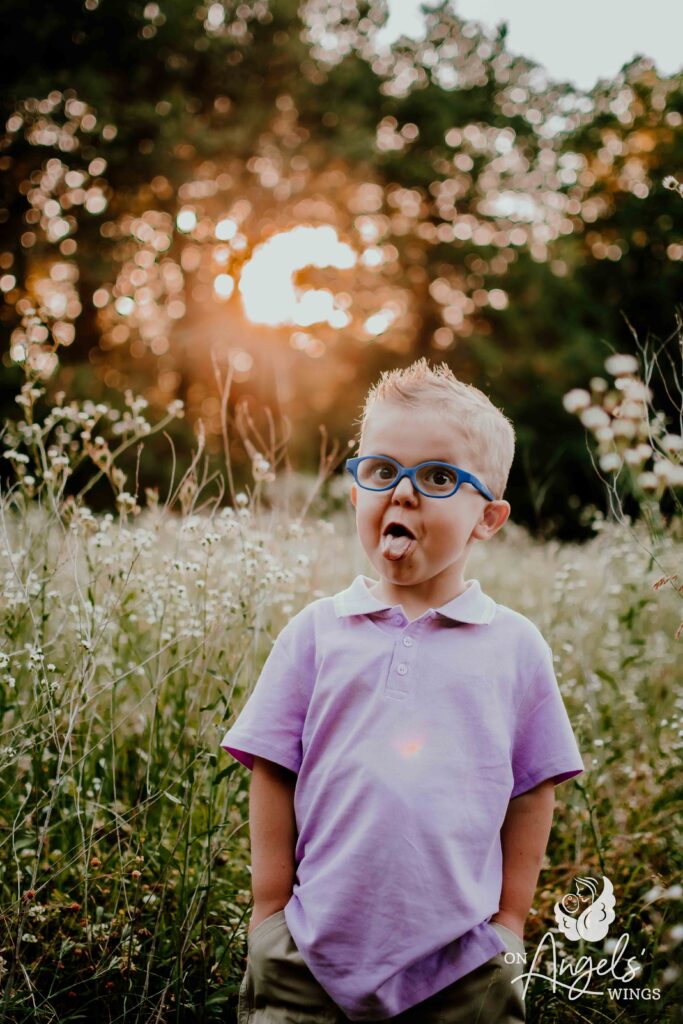
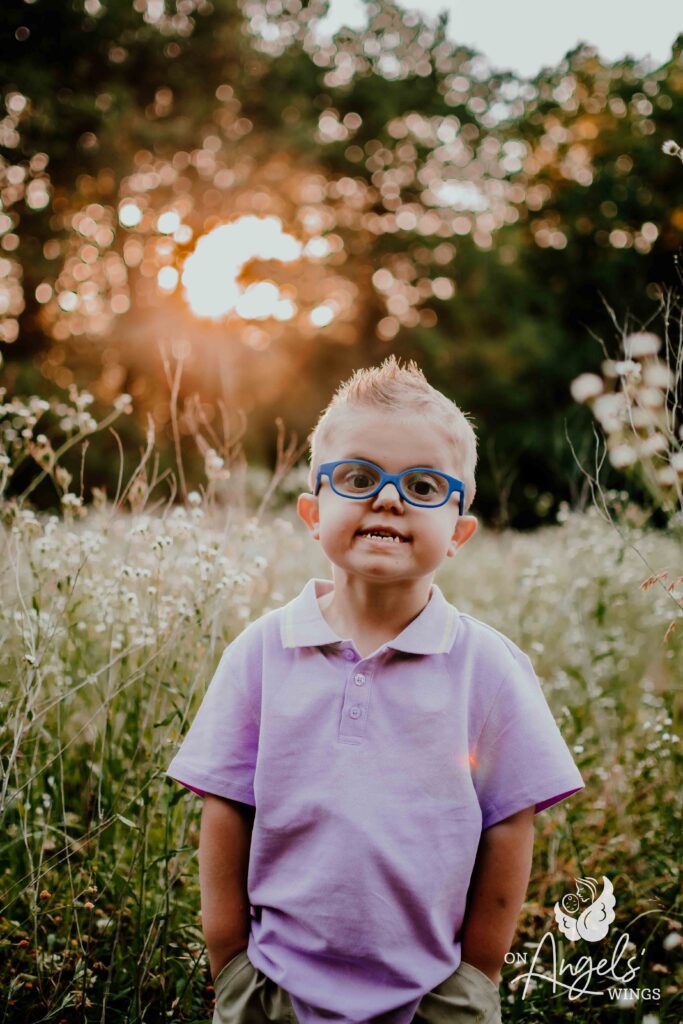
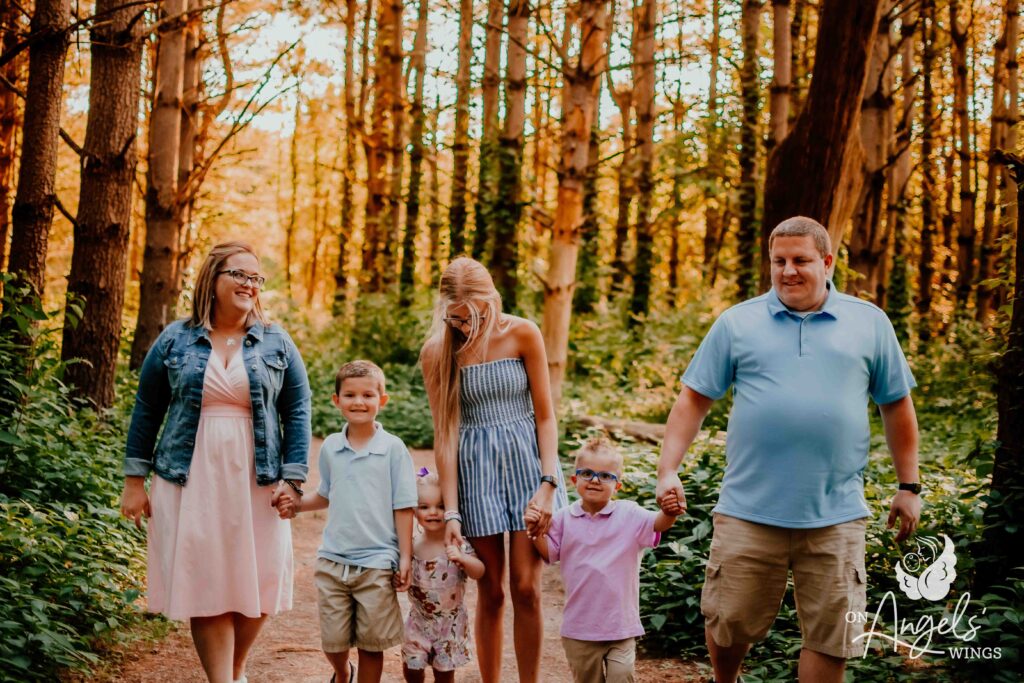
I knew about On Angels’ Wings from the very beginning, though I didn’t reach out for annual photos until several years later. When I finally reached out about family photos, OAW made it happen. Our first experience was wonderful, and the images turned out beautifully. They captured Jack and our family exactly as we are.
These photo sessions allow us to pause and cherish life exactly where we are. They provide a way for us to look back and see how much Jack has grown and changed year after year. Offering these sessions free of charge gives families like ours the opportunity to preserve memories that might otherwise not be possible. OAW doesn’t just provide photographs. They provide memories, opportunities, grief support, and counseling. That kind of support is difficult to find, but it is vital for families navigating medical uncertainty, loss, and trauma.
Some people may not realize how much a single photograph can mean, but when you’ve spent years not knowing what tomorrow might bring, one photo can mean everything.