By Aleica Davis
Mommy to Dericka & Blakely
Trisomy 18 & Encephalocele
September 2015
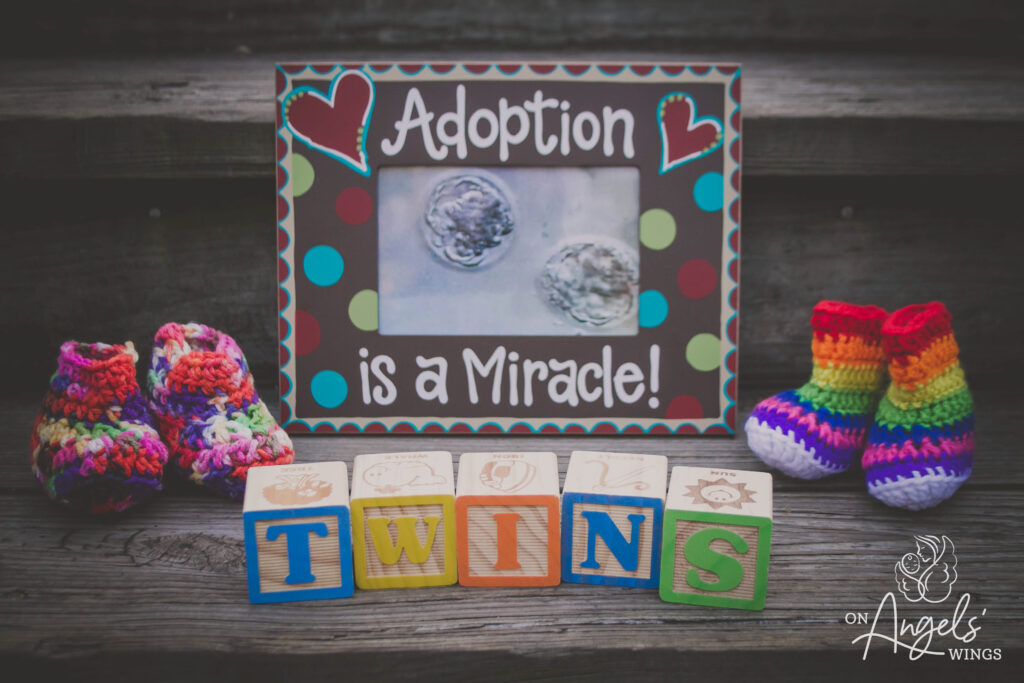
My husband and I tried to conceive for 16 years. We struggled with infertility and tried nearly every procedure a couple could — from fertility medications to IUIs, to IVF. When all of those failed, we moved on to embryo adoption. A dear friend I met during our TTC journey had remaining embryos that her family no longer intended to use. They already had one healthy child and were done growing their family — and they selflessly offered their remaining embryos to us.
There are truly no words for such a gift. After years of heartbreak and medical expenses that had depleted our savings, we had started to wonder if growing our family was even possible anymore. That donation gave us hope again.
Imagine our joy and tears when we got a positive pregnancy test — and then our overwhelming awe when we learned at our first ultrasound that there wasn’t just one flickering heartbeat, but two. We were having twins.
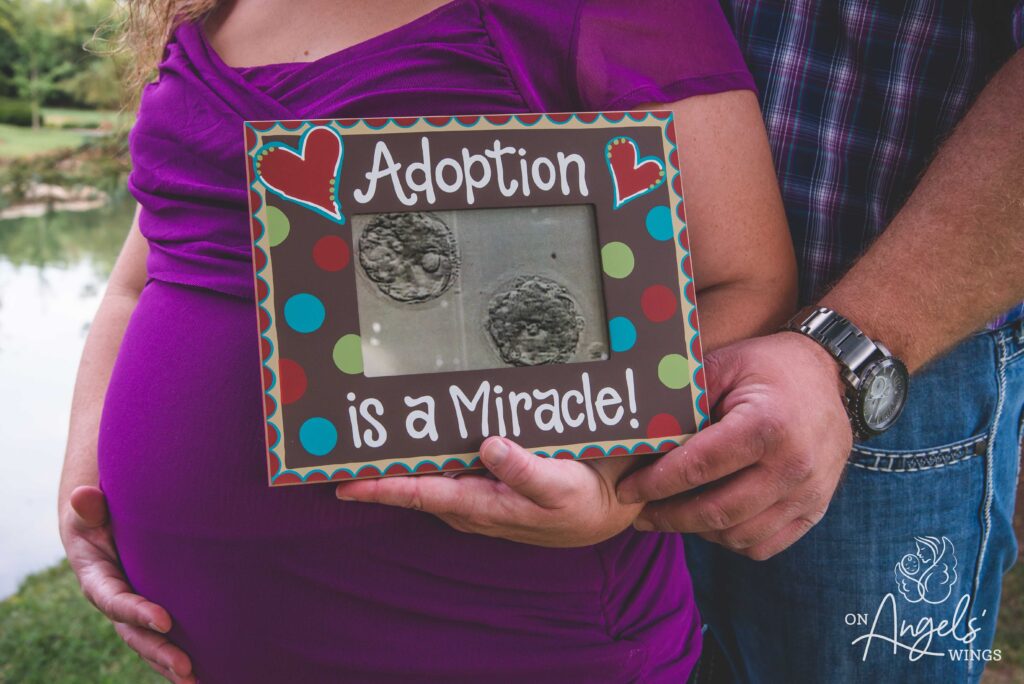
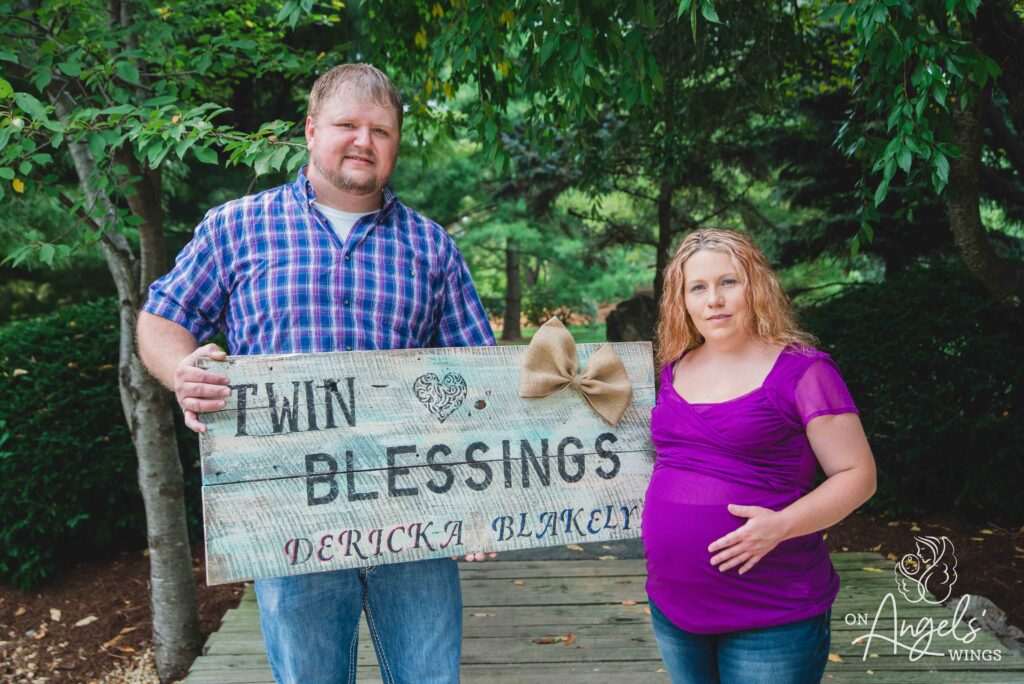
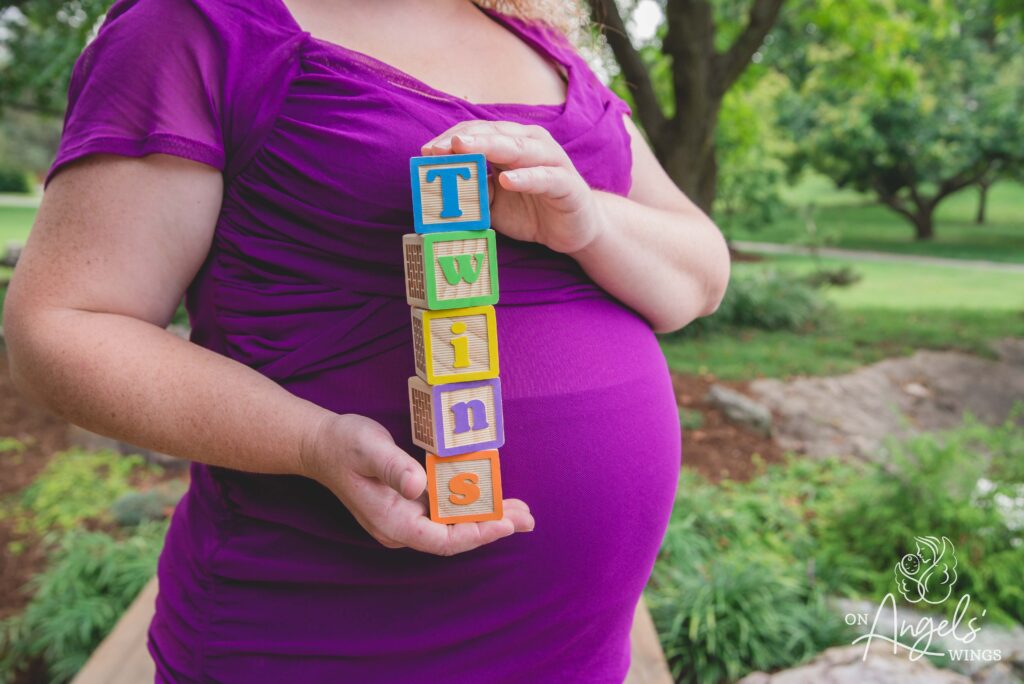
Our doctors were thrilled. Each baby had their own sac, making it the least risky type of twin pregnancy. At last, we felt like we had caught a break. We were over the moon — elated, ecstatic. I had waited so long to be a mother, and now I was carrying not one but two miracles.
As we moved into the second trimester, things began to change. Our maternal-fetal medicine (MFM) doctor discovered that Twin A had an encephalocele — a rare neural tube defect — and additional labwork showed that one of the twins had Trisomy 18. They couldn’t tell which twin had which diagnosis. Twin pregnancies make that determination difficult, and we were warned that we might never know for certain until delivery.
They offered to perform amniocentesis from both sacs, but the risks — including rupturing one of the sacs — were too high for me. We were also asked repeatedly if we wanted to terminate Twin A due to his prognosis. We were told that he would be “incompatible with life.” But I wasn’t willing to consider abortion. I prayed instead — not for longevity, but for time. I asked God to let me meet my babies alive. I wanted to hear their cries, see them breathe, and hold them in my arms — even just for a little while.
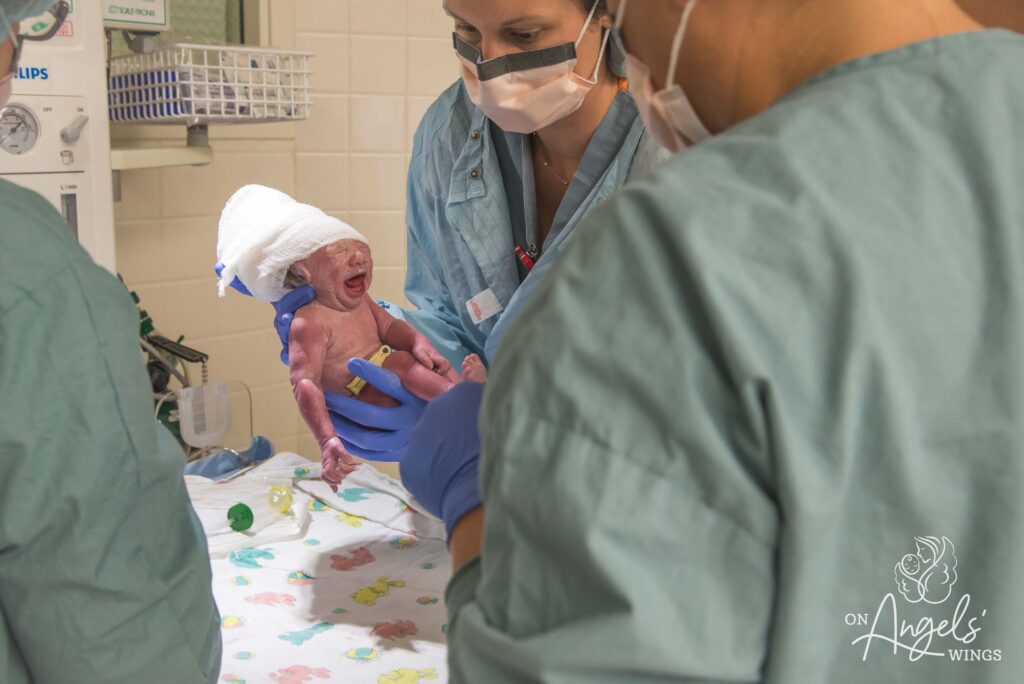
On September 23, 2015, our twins were born. Blakely, Twin A with encephalocele, shocked everyone with his loud cry at birth. They had warned us he might not be born alive — that he might pass before delivery — but he proved them wrong. I bawled, not just from excitement but from pure happiness that he was alive and that I got to hold him while he was breathing. Dericka, Twin B, was just 2 pounds and was rushed to the NICU, but not before letting out the loudest cry.
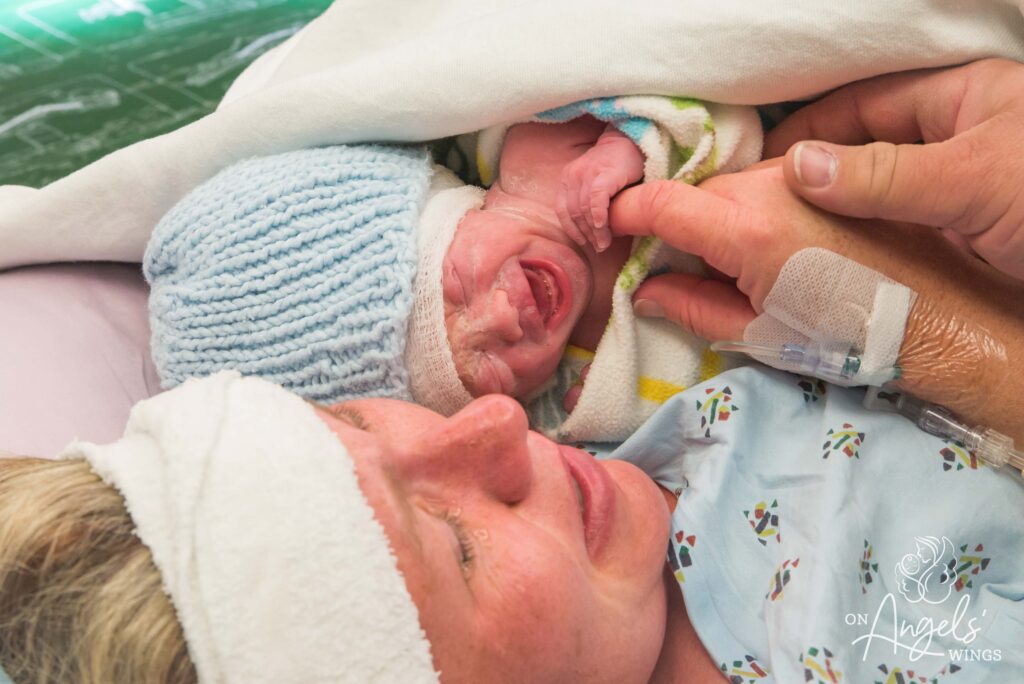
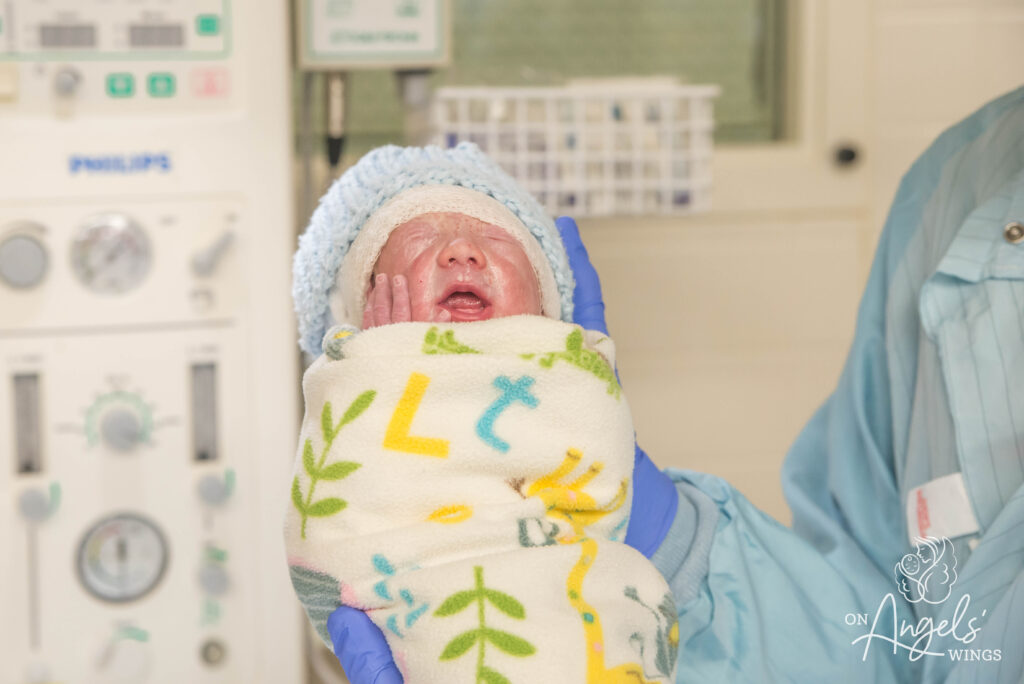
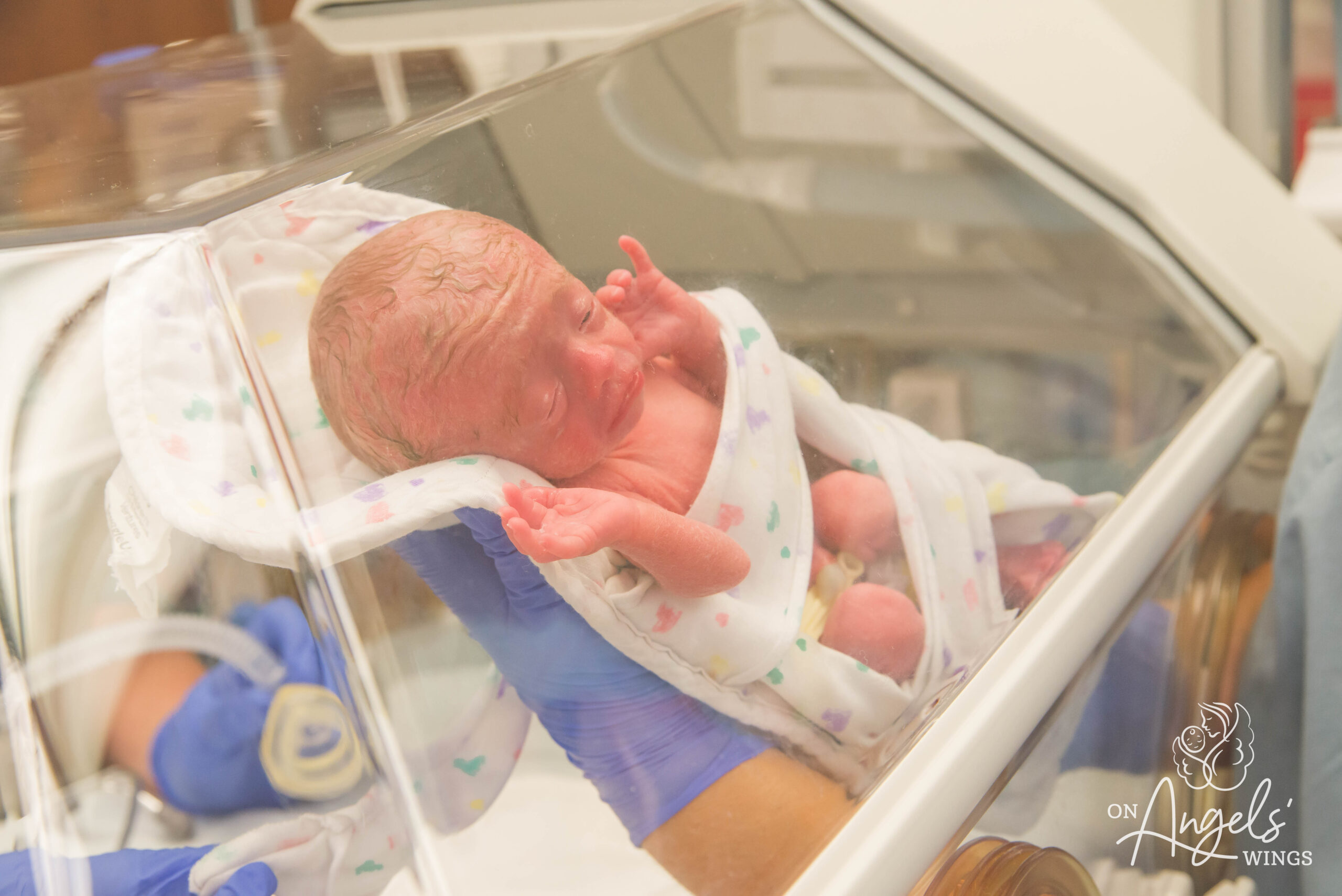
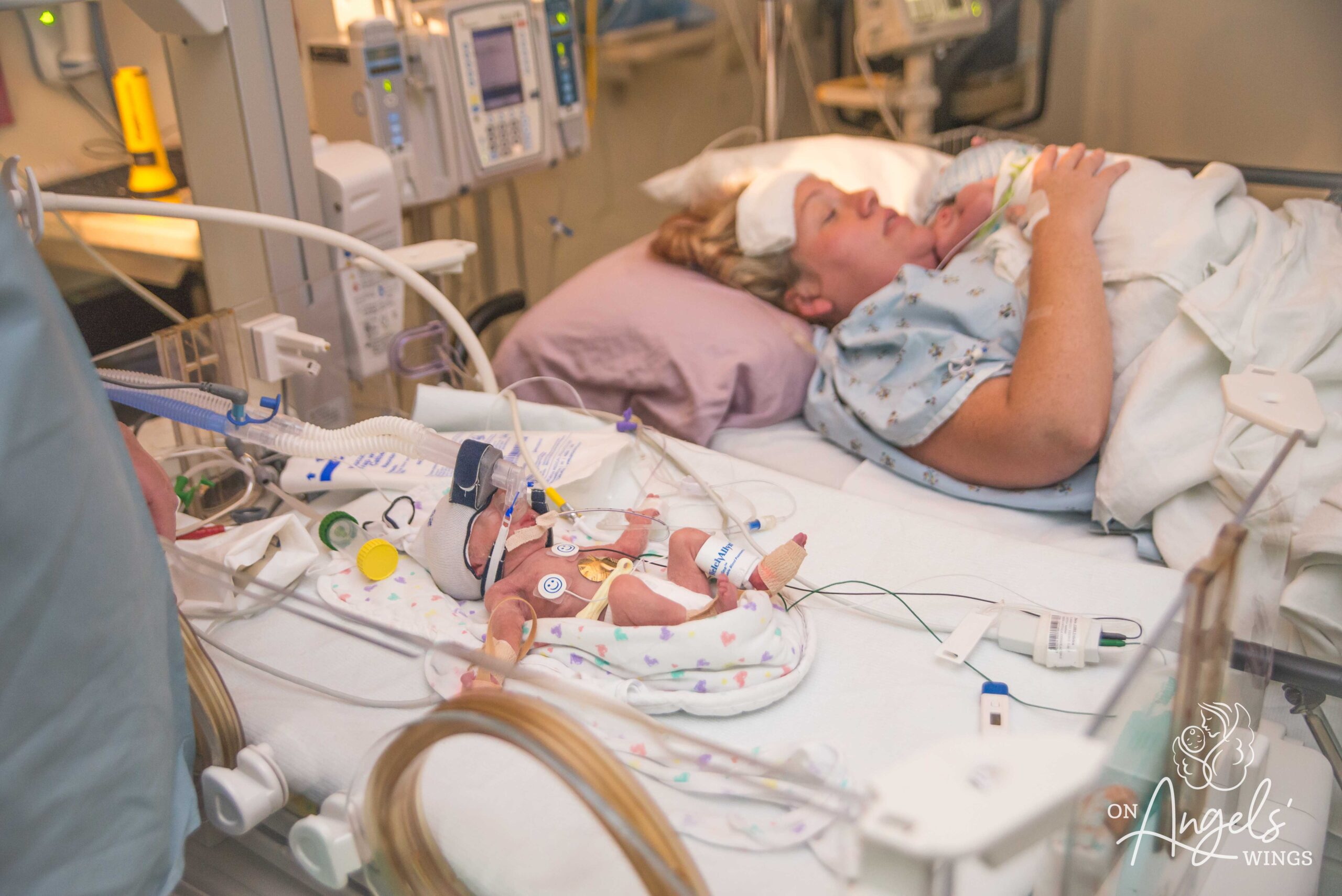
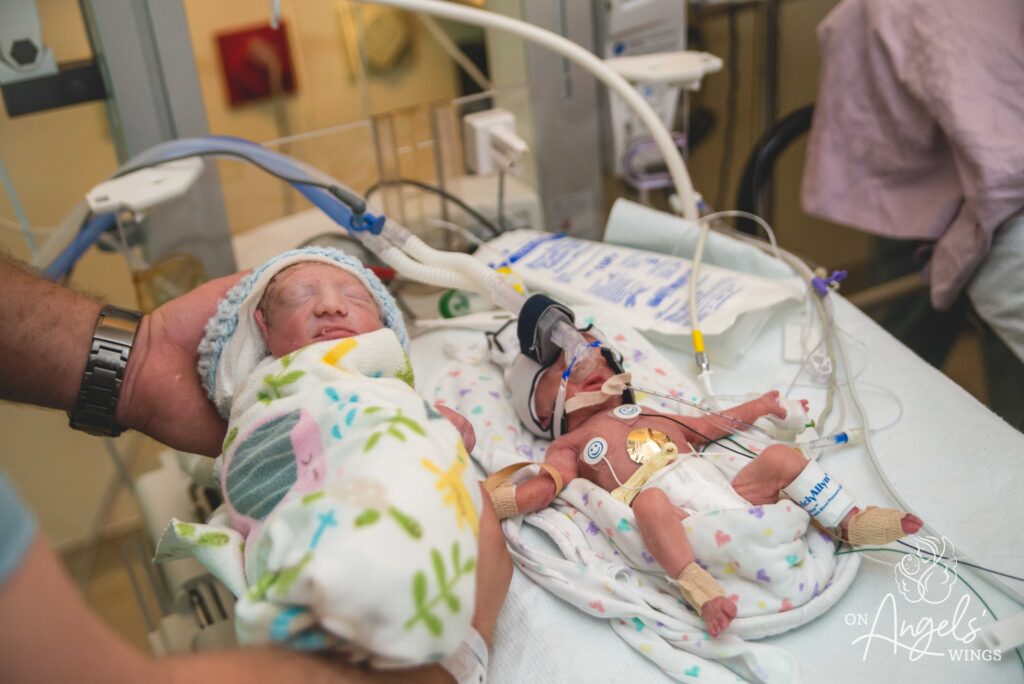
Three days later, Blakely passed away in my arms. As I held him, the doctors came in to share the news that Dericka had tested positive for Trisomy 18. Until that moment, we had hoped the Trisomy 18 diagnosis belonged to Blakely. But in another rare twist, it turned out each of our twins had their own separate diagnosis. Our MFM doctor told us it was the first time he had ever seen anything like it.
Dericka spent 30 days in the NICU. She fought so hard, but she passed away on October 23, 2015. In the span of 30 days, I lost both of my children. I had already lived a nightmare trying to conceive for 16 years, and then I found myself living every parent’s worst nightmare — twice.
There were moments I didn’t know if I could go on living. Grief engulfed me. I took a grief class at Mercy Hospital — there weren’t OAW grief programs at the time — and I truly believe that class was part of my saving grace.
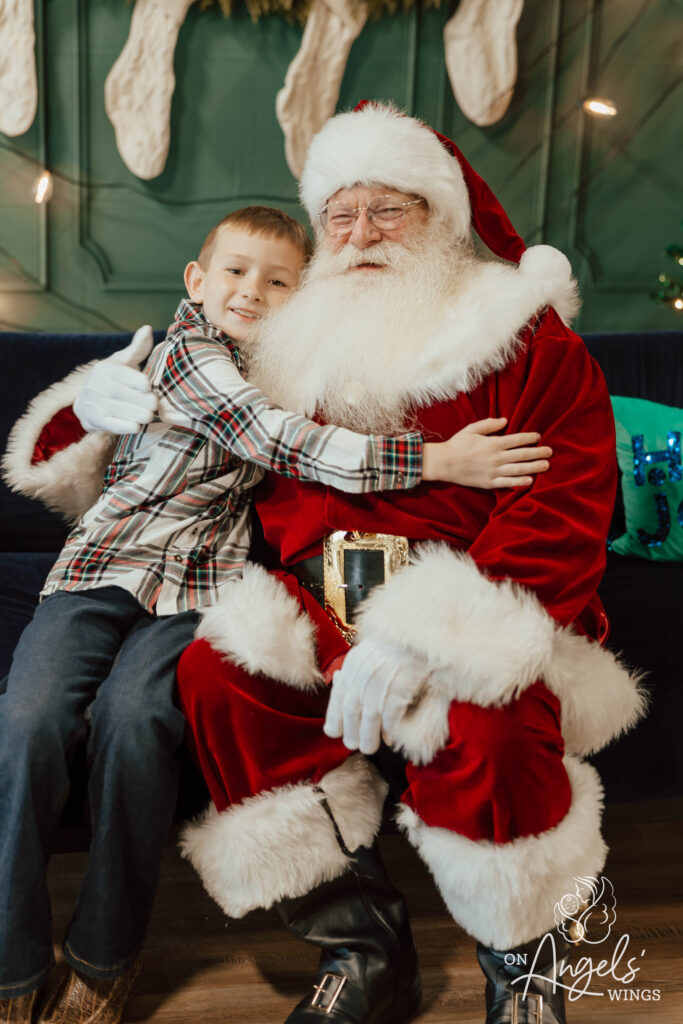
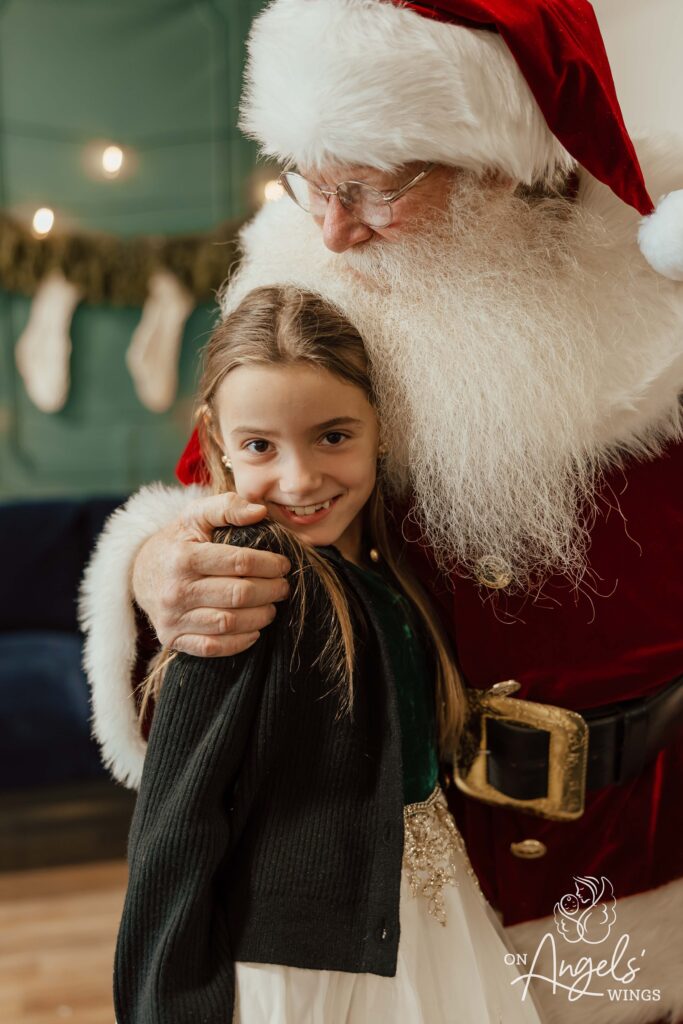
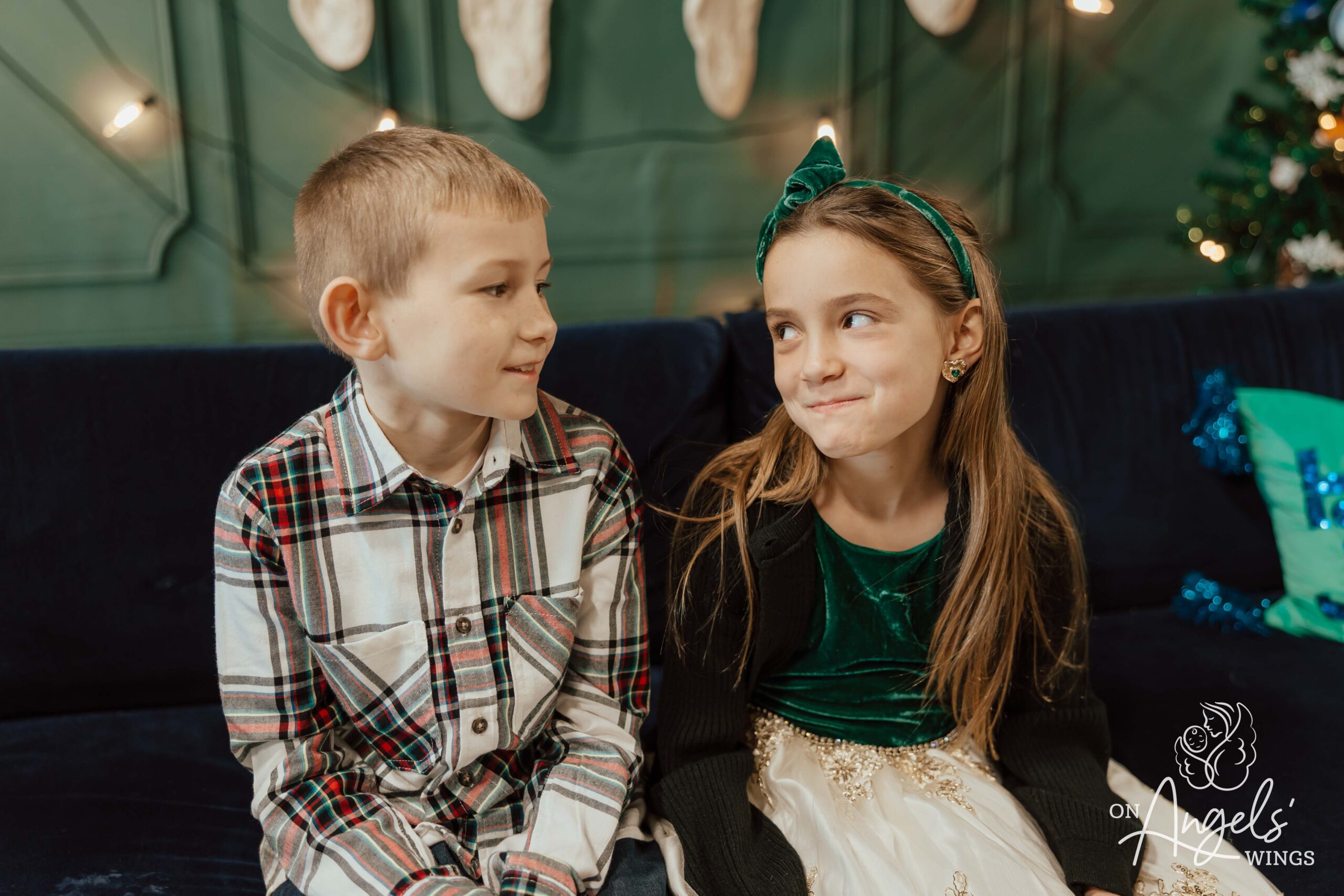
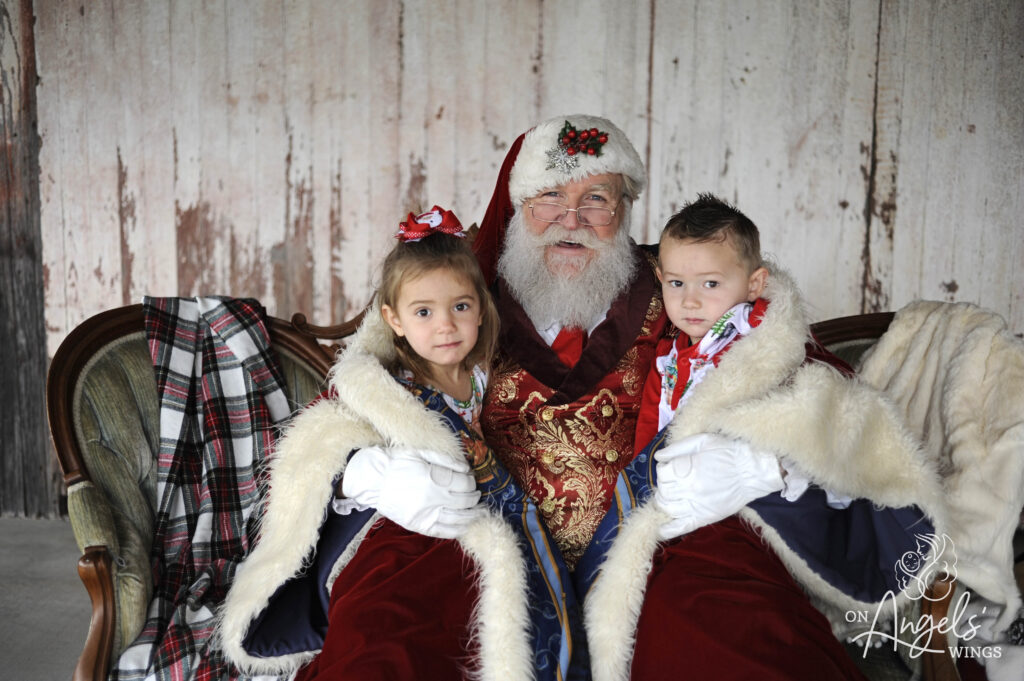
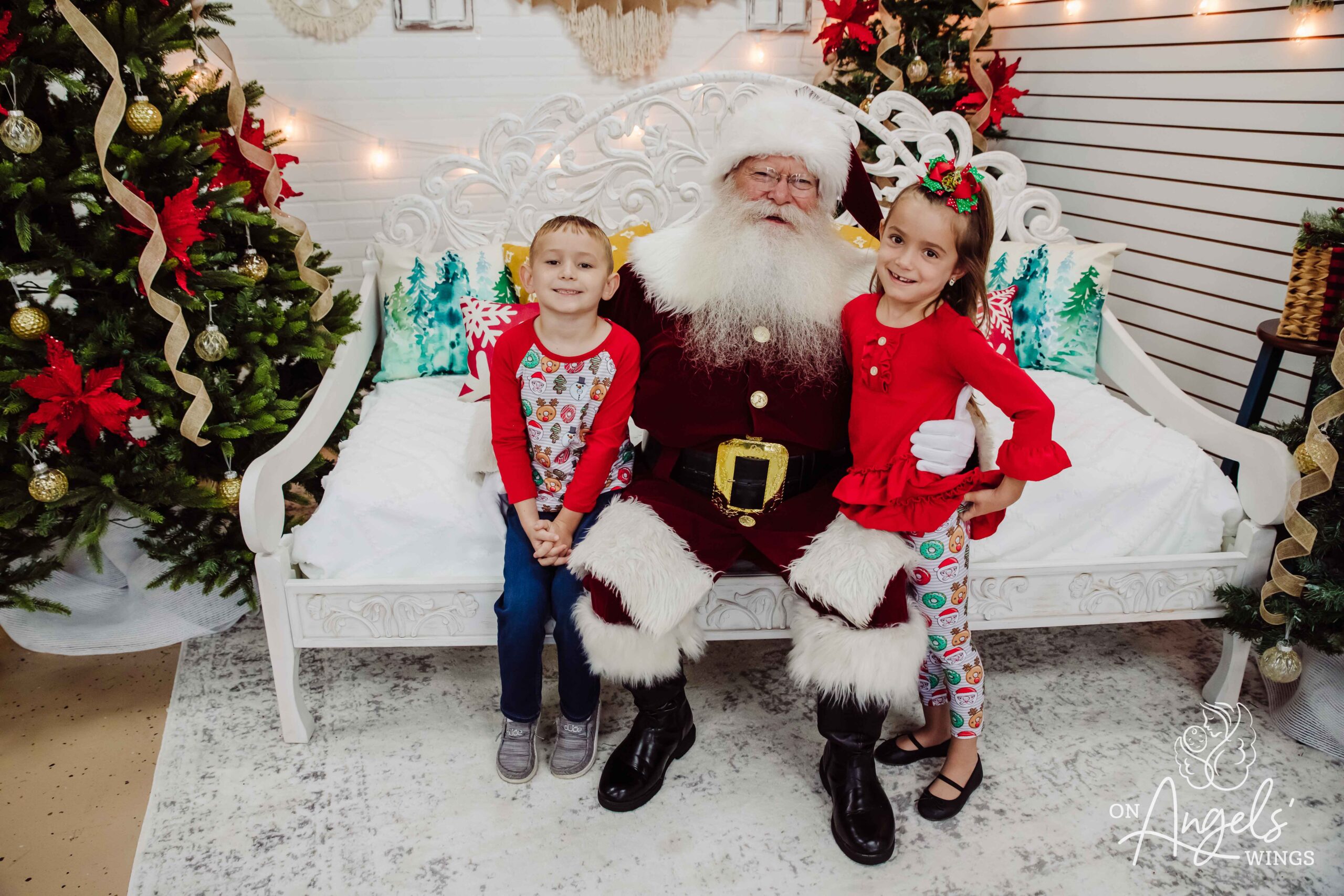
In time, we decided to try again. We pursued embryo adoption a second time, and were blessed with rainbow babies — surprise boy/girl twins, Danika and Brantley. I hope that someday, they will understand the story of their brother and sister in Heaven. Nearly every week, Danika tells me how she wishes her brother and sister were here on Earth with us.
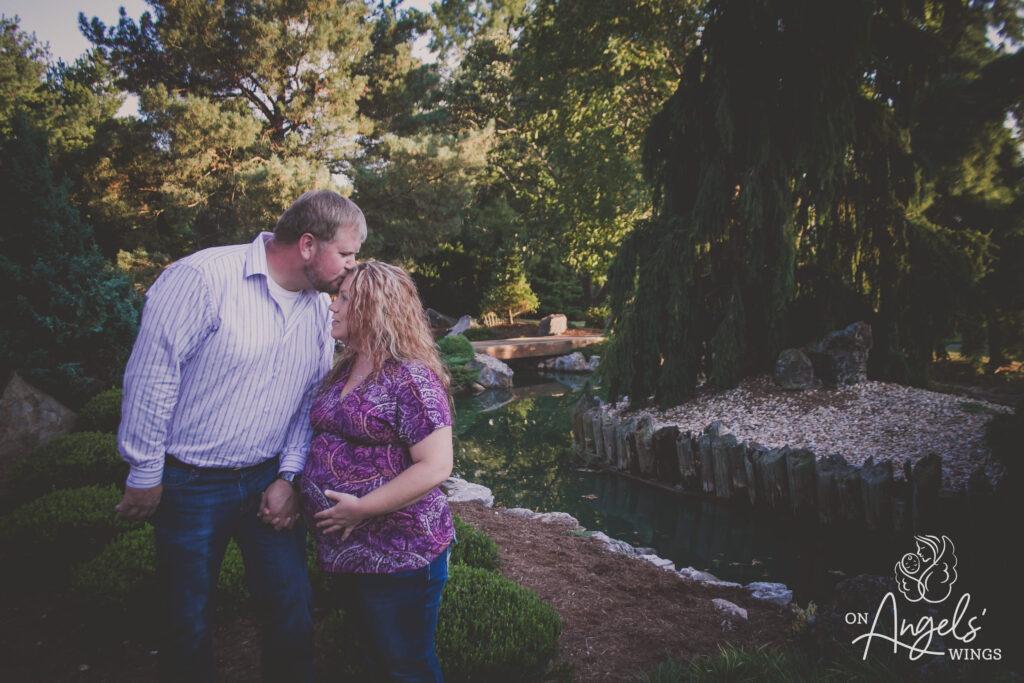
My greatest hope now is to one day reunite with Dericka and Blakely in Heaven — and for my children here to carry the memory of their siblings with them always.
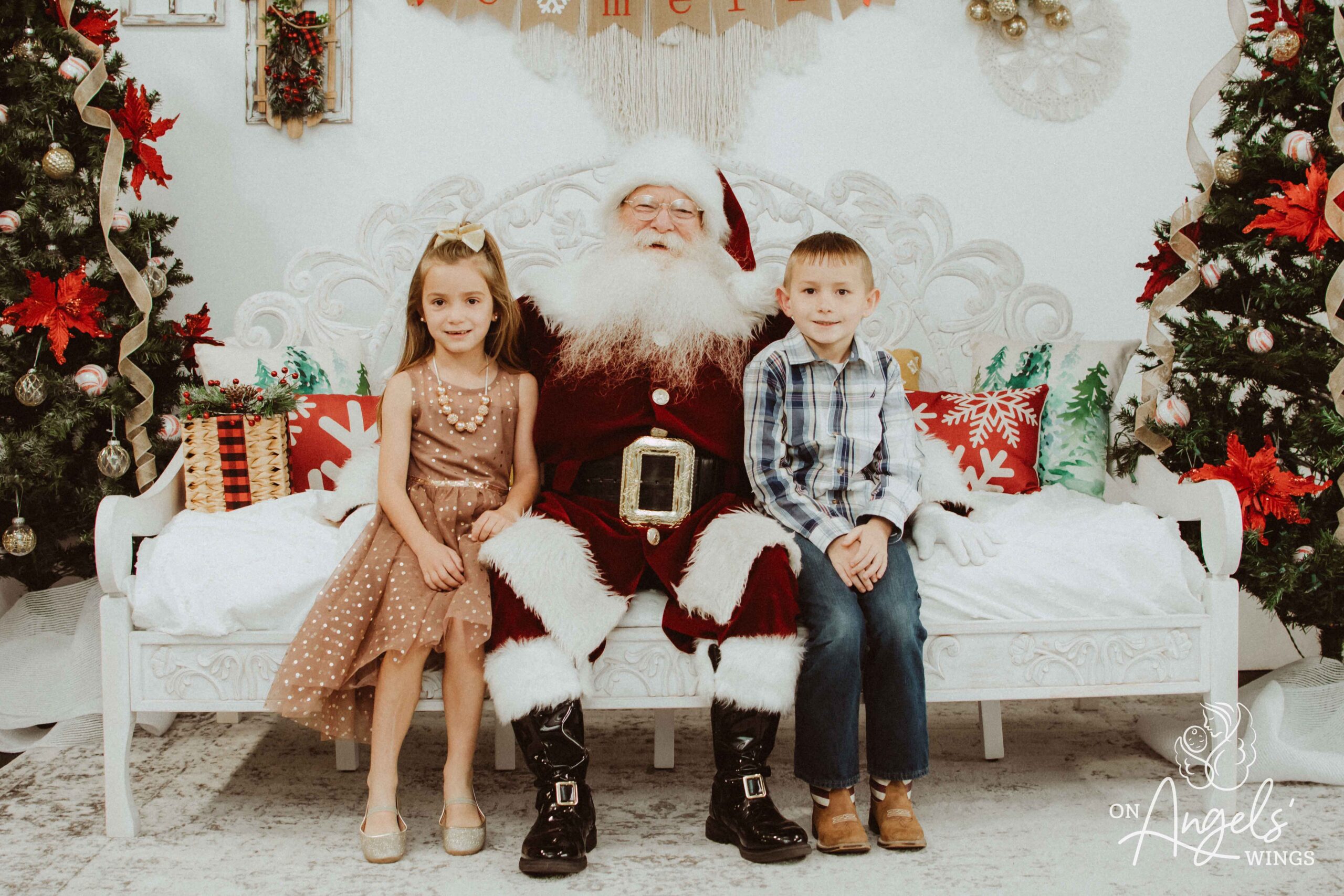
The pictures that OAW took for us are truly priceless. After everything we had spent on fertility treatments, we didn’t have money left for photography. There aren’t enough words to thank OAW for giving us those memories. From maternity pictures to pictures in the hospital, rainbow maternity pictures and Santa pictures every year with our rainbow twins — we now capture every moment we can, because we know firsthand how short life can be. And OAW helps us do that every year. For that, I will forever be grateful.




I tell everyone I meet about On Angels’ Wings. Whether they’re facing a difficult diagnosis, loss, or a medically complex child — I always recommend they reach out. Even friends in other states — I encourage them to check if OAW serves their area or if a similar resource exists nearby.
What OAW offers is more than photography. It’s compassion. It’s support. It’s love, wrapped around the most fragile moments of your life.