By Jessica Tilly
Mommy to David
Congenital Heart Defect (Hypoplastic Left Heart Syndrome)
November 2023 – June 2024
Our journey began in June 2023, when I was 18 weeks pregnant and we went in for our anatomy scan—a simple procedure we had done twice before with our other children. We were excited to see our baby and receive a card with the gender on it. We were thrilled to be adding a third child to our family and imagined watching the sibling bonds grow and develop over time.
Very early in the scan, the sonographer said, “There’s something wrong with the heart. I’m going to get the other pictures I need and then come back to it.” We spent the rest of the appointment in tears, wondering what that meant for our precious baby. After the scan, we met with the doctor, who told us our baby had a critical heart condition called Hypoplastic Left Heart Syndrome, or HLHS. In that moment, we were thrust into the world of being parents to a heart warrior. Two days later, we met with a prenatal cardiologist for a fetal echocardiogram to learn more about his diagnosis.
After receiving David’s diagnosis, we had frequent follow-up echos of his heart. With each one, another layer of complexity was added to his case. First, it was confirmed that he did indeed have HLHS. At the next echo, we learned he had an intact, highly restrictive septum, meaning blood from his lungs couldn’t easily reach his heart to be pumped throughout his body. This caused blood to back up into his lungs, leading to a condition called nutmeg lungs. A fetal MRI confirmed that he did have this severe lung disease.
With that came devastating statistics—100% mortality by five months. We were absolutely crushed. Still, we wanted to spend as much time with our son as possible and planned for full interventions at birth so he could show us how much fight he had in him. The plan was that immediately after birth, he would be taken to the cath lab to have his septum opened. If that failed, he would go on ECMO and have the septum opened surgically. However, the Friday before I was due to deliver, we received a call that changed everything. We were told that if the septum could not be opened by catheterization within 30 minutes, David would not receive ECMO or further life-saving measures due to his lung condition. We were devastated and honestly didn’t think we would see him alive outside of the delivery room.
We worked hard to become heart defect experts—something we never imagined we would need to do. We had barely heard of congenital heart defects before this, yet they are the most common birth defect, affecting about 1% of the population. At first, we were terrified, but over time we learned to accept this new reality.
Shortly after David’s in-utero diagnosis, we began seeing On Angels’ Wings on Facebook. When we looked into it further, we realized they had just opened a Minneapolis location, which was perfect for us. As David’s diagnosis and prognosis continued to worsen, we reached out about having family photos taken after his birth. I wanted photos of all my children together, especially since the older two were still young and I didn’t know how much they would remember of him.
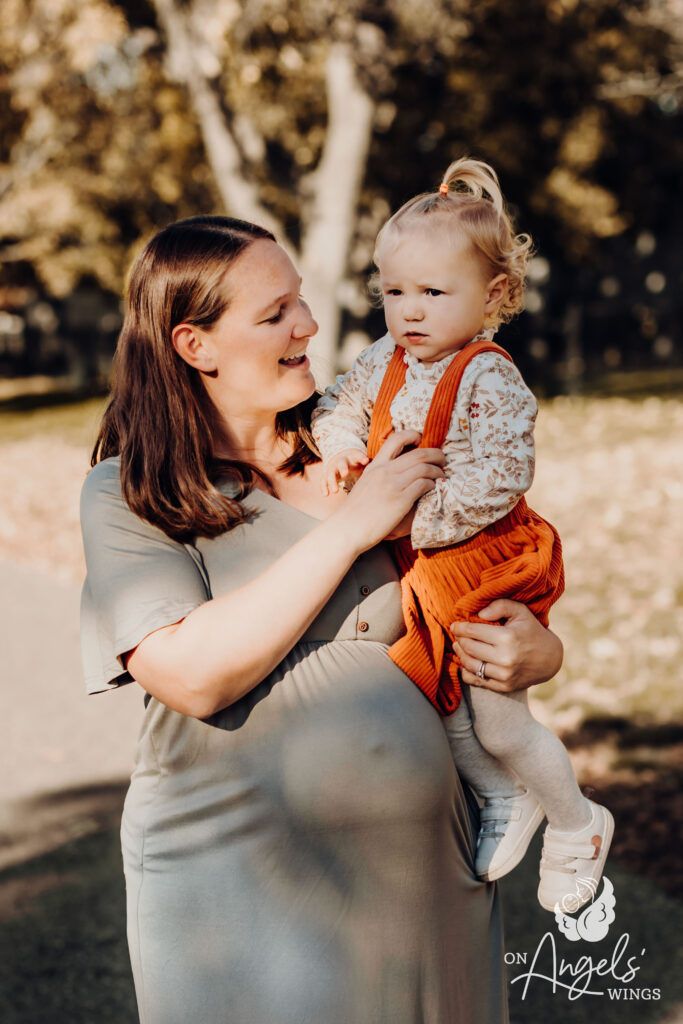
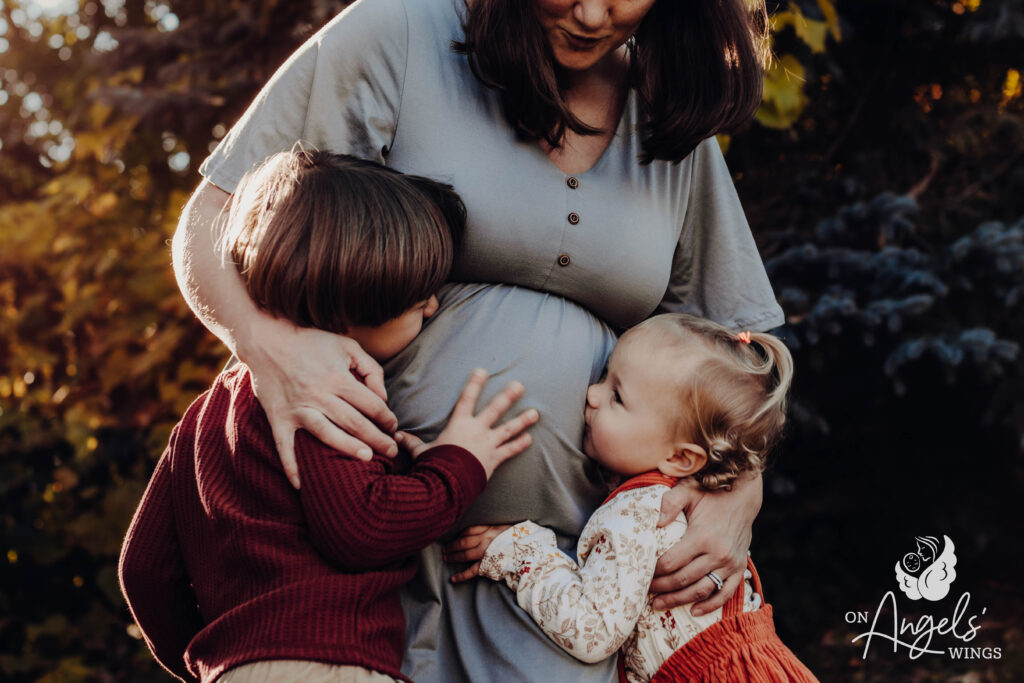
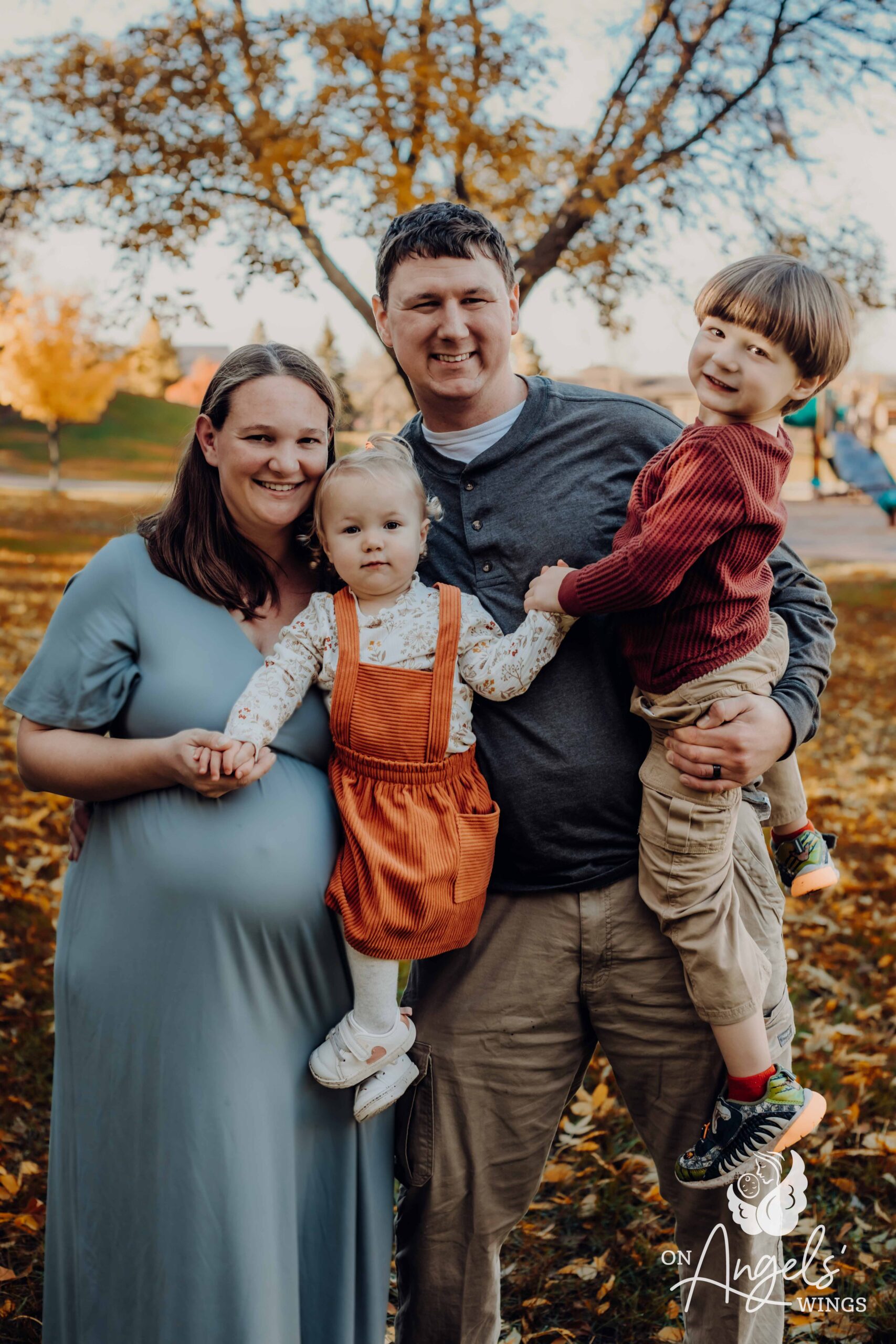
Initially, I hadn’t planned on maternity photos—I hadn’t done them with my other pregnancies—but as we got closer to delivery and faced the possibility that we might not have any time with David alive, we decided we wanted them. In case those were the only photos we would ever have of all of us together. It was a beautiful fall day, and the photographer put us at ease right away. She was incredibly patient and engaged our energetic kids, who were much more interested in a nearby park than standing still for photos. The experience was calming and meaningful during such an uncertain time.
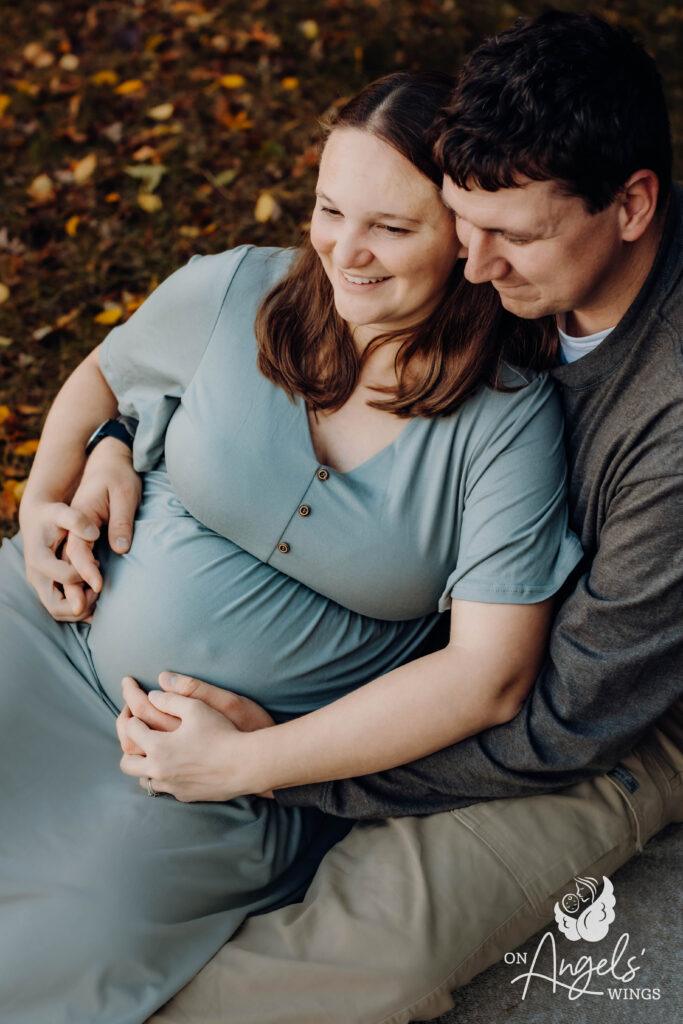
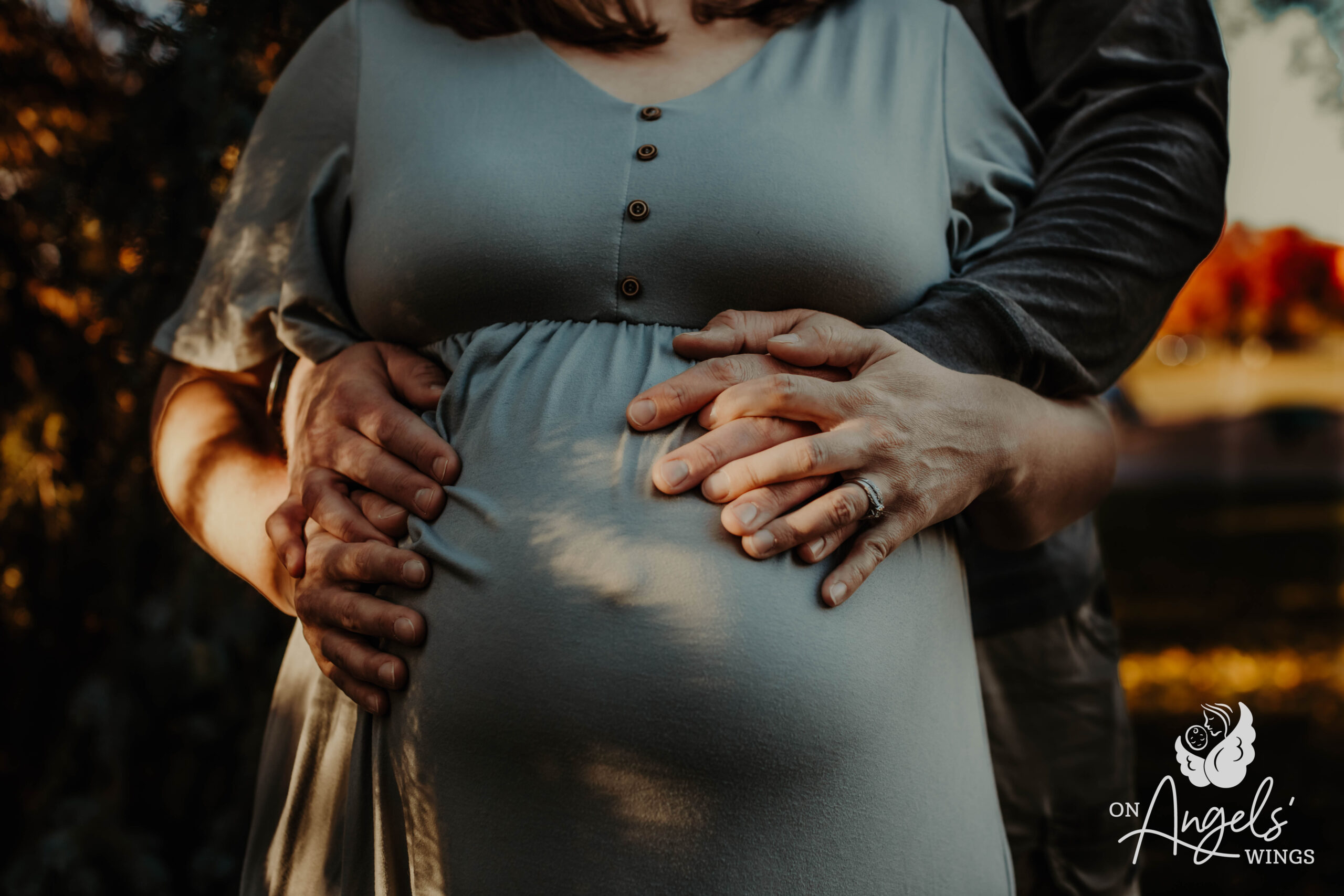
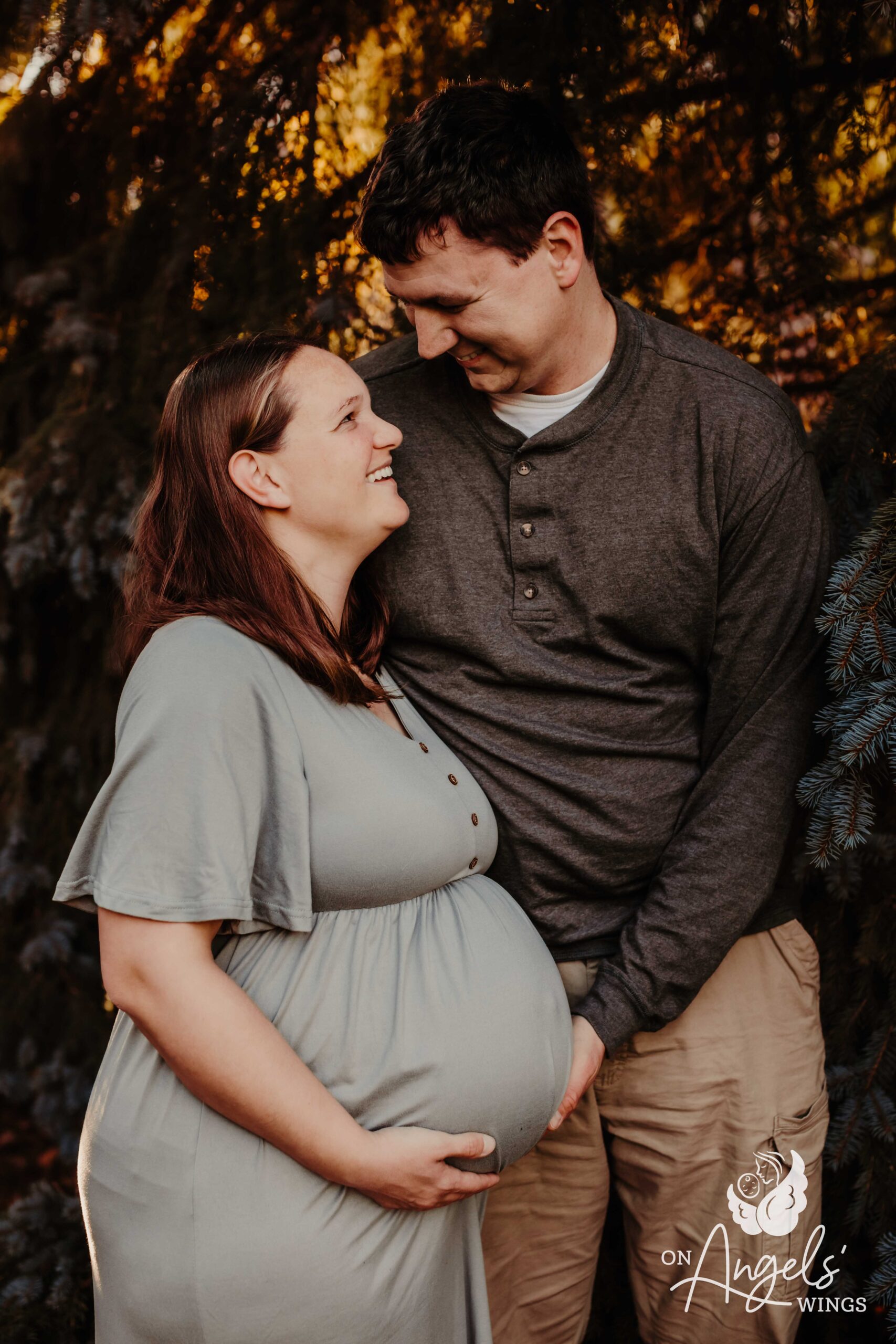
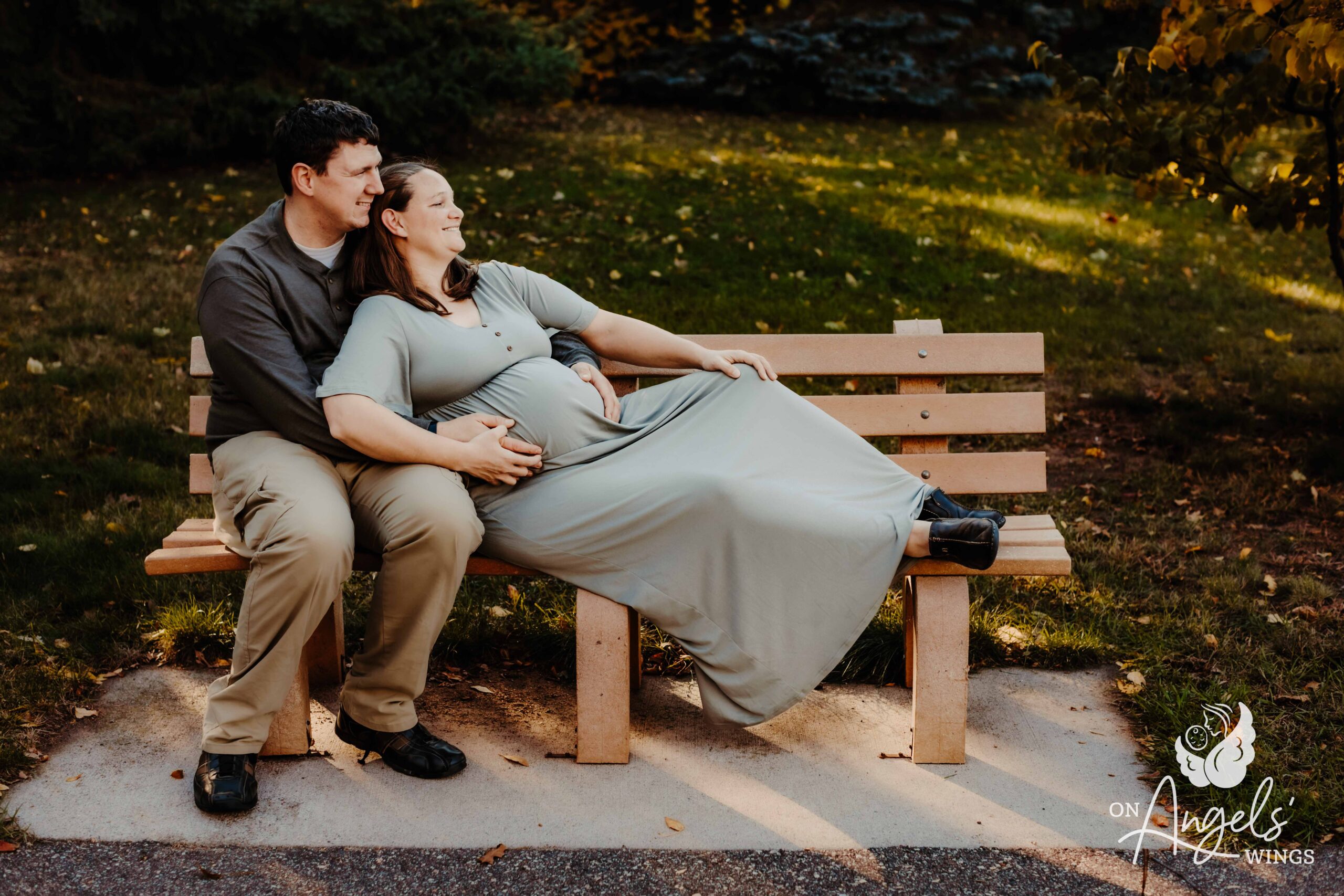
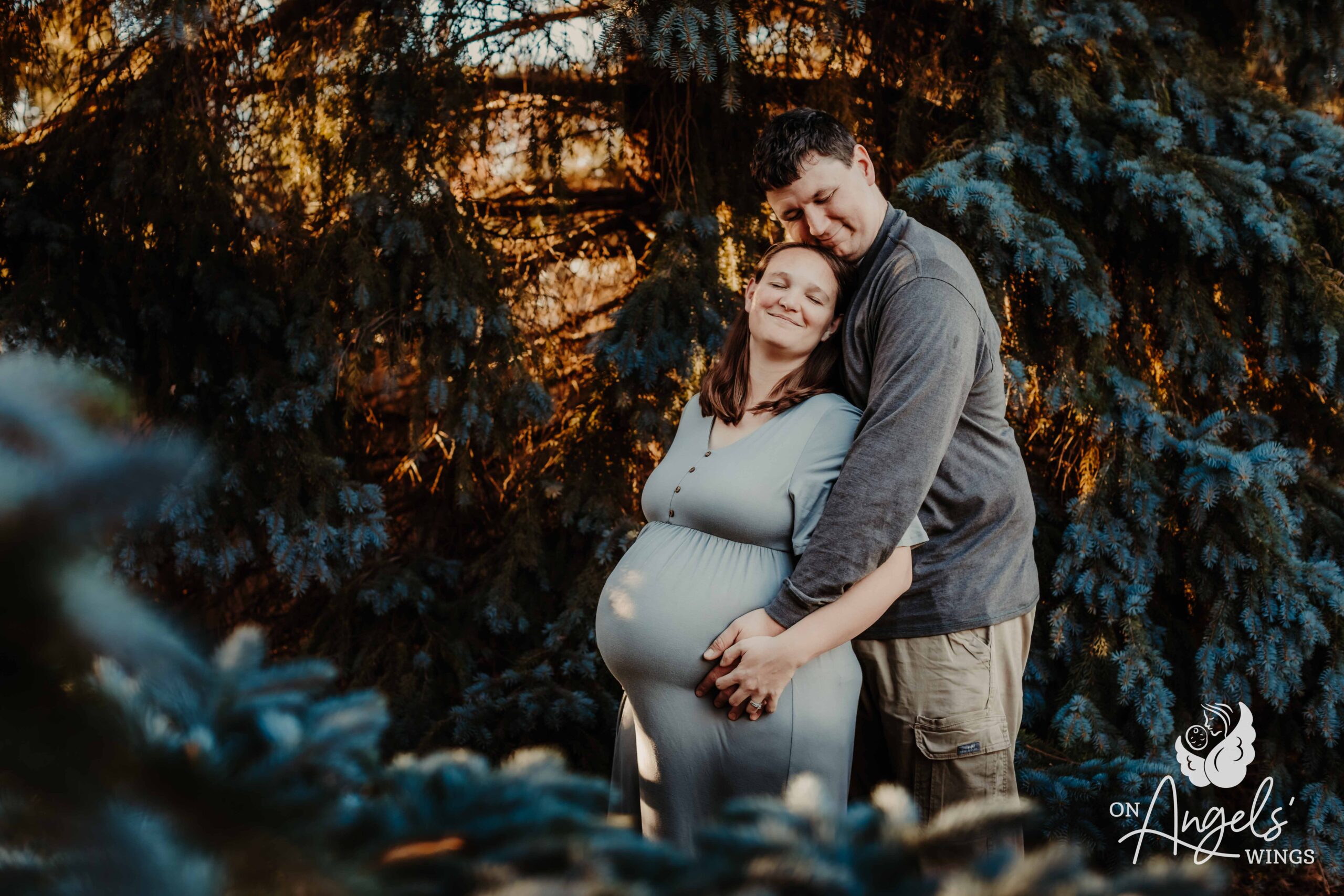
Because David would need immediate life-saving intervention, it was decided that a scheduled C-section would be the safest delivery option. A couple of days before his birth, we received a call from his cardiologist explaining again that if the septum couldn’t be opened within 30 minutes, no further life-saving measures would be taken. That morning, the trip to the hospital was filled with tears. I didn’t want David to be born—he was safe inside me, and once he was born, he would immediately be facing the fight of his life.
After checking in, we were taken to the general operating room rather than labor and delivery because David would go straight to the cath lab. We made sure everyone knew we wanted him wheeled past our heads on his way out so we could see him. We tried to savor every last moment together. The operating room was filled with people, just as we were warned—a sea of blue. When David was born, he cried. With his lung diagnosis, we didn’t know if he would even be able to breathe, so hearing that cry brought a collective sigh of relief. We were able to touch him through the plastic screen, and after he was weighed, they brought him to us briefly so we could talk to him before he went to the cath lab. Those moments gave us hope.
Throughout the day, we received positive updates, and by evening, David was settled into the CVICU — the opening of his septum worked. He was intubated and sedated, but he was there—and in excellent hands. We couldn’t have imagined the day going any better.
David spent the first month of his life in the hospital, then two months at home, followed by his final four and a half months back in the hospital. We visited him every single day. Outside of the first two weeks in the CVICU, David’s dad stayed overnight in his room, while I stayed home with our older children and our dogs. I would arrive at the hospital as early as possible each morning, whether that meant coming after daycare drop-off or bringing the kids with me.
We did our best to maintain our family routines. We always had dinner together each evening. The older kids would sometimes play in the play areas or outside, but they always made time to sit with David. He loved seeing them walk into his room. David and our whole family participated in child life activities, especially Trivia Tuesdays and Bingo Thursdays. Wagon rides became his favorite activity—he loved riding through the halls and eventually outside, too.
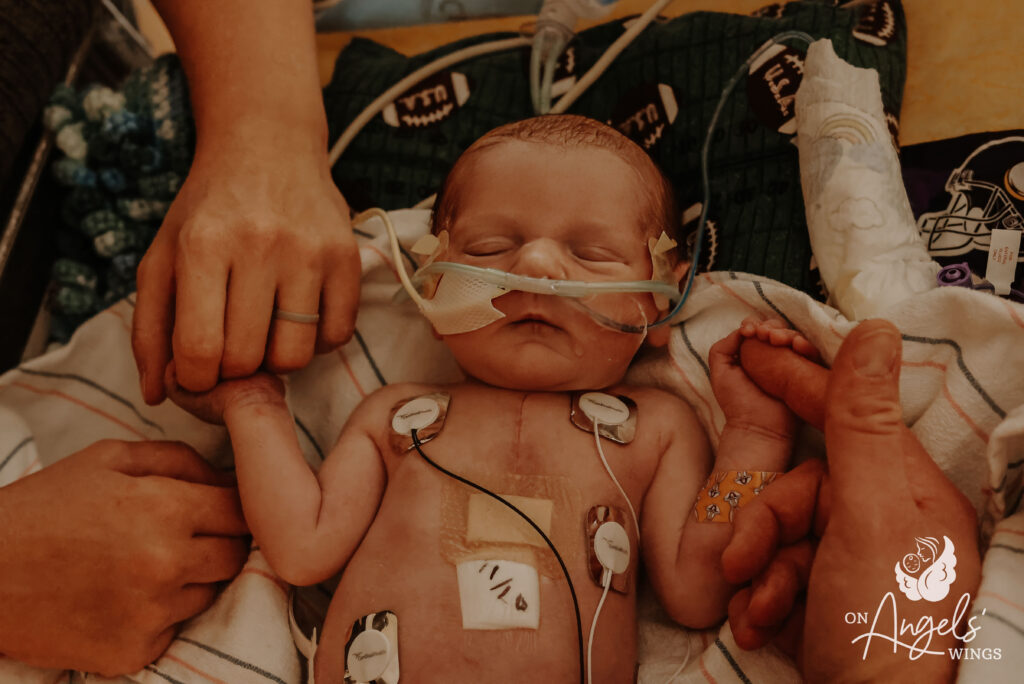

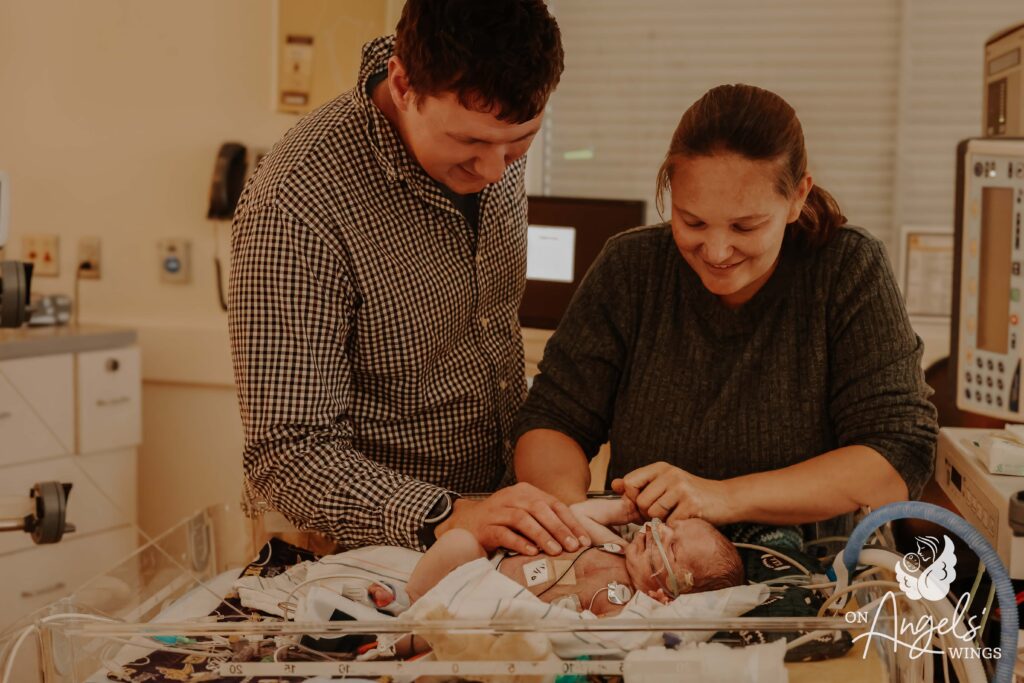
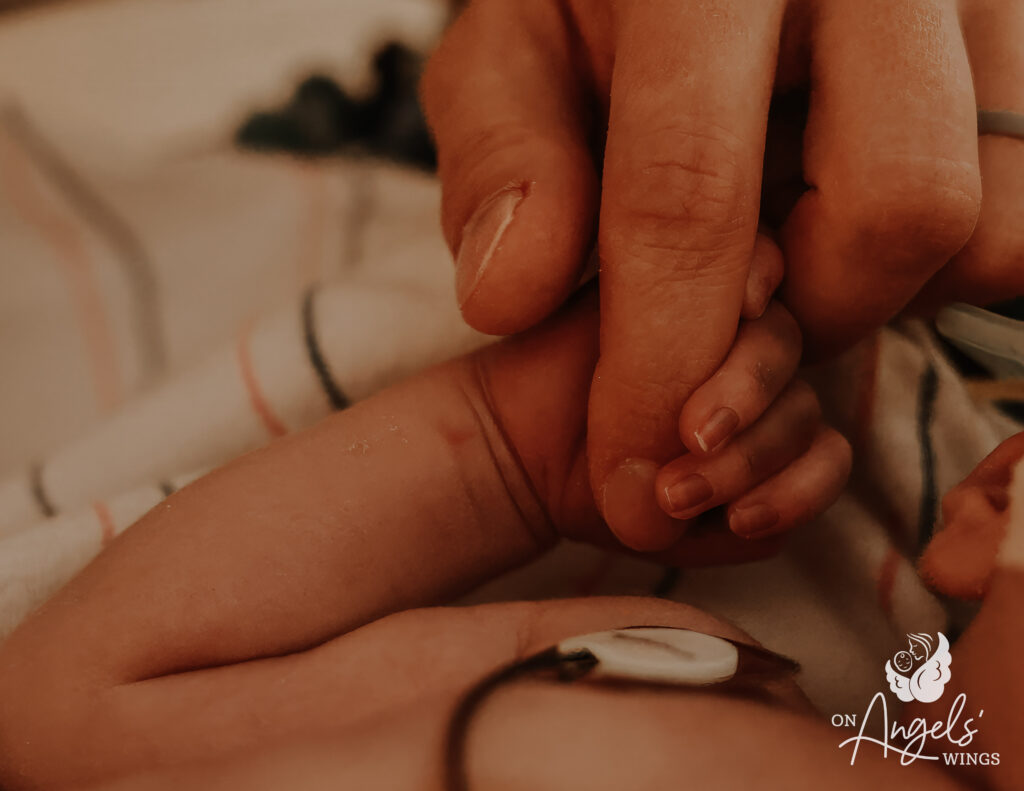
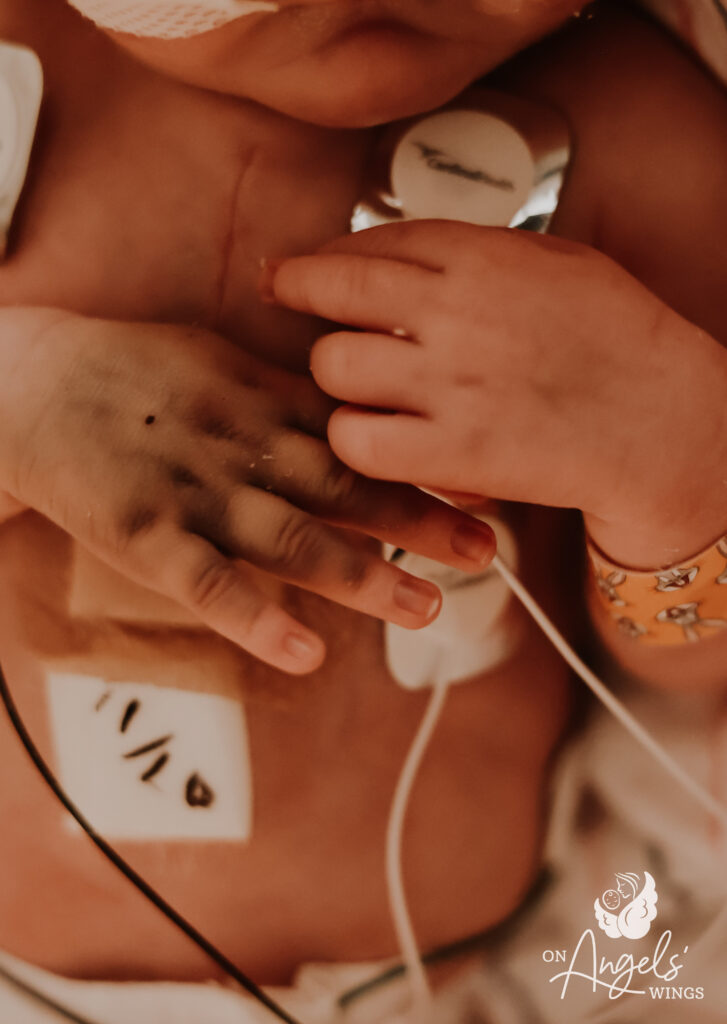
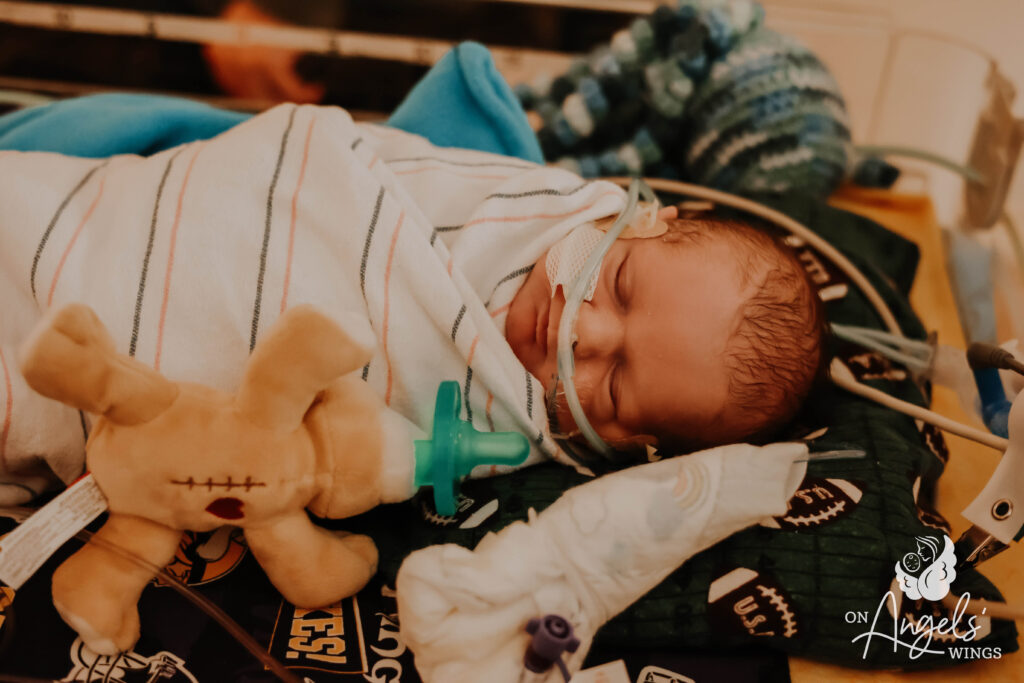
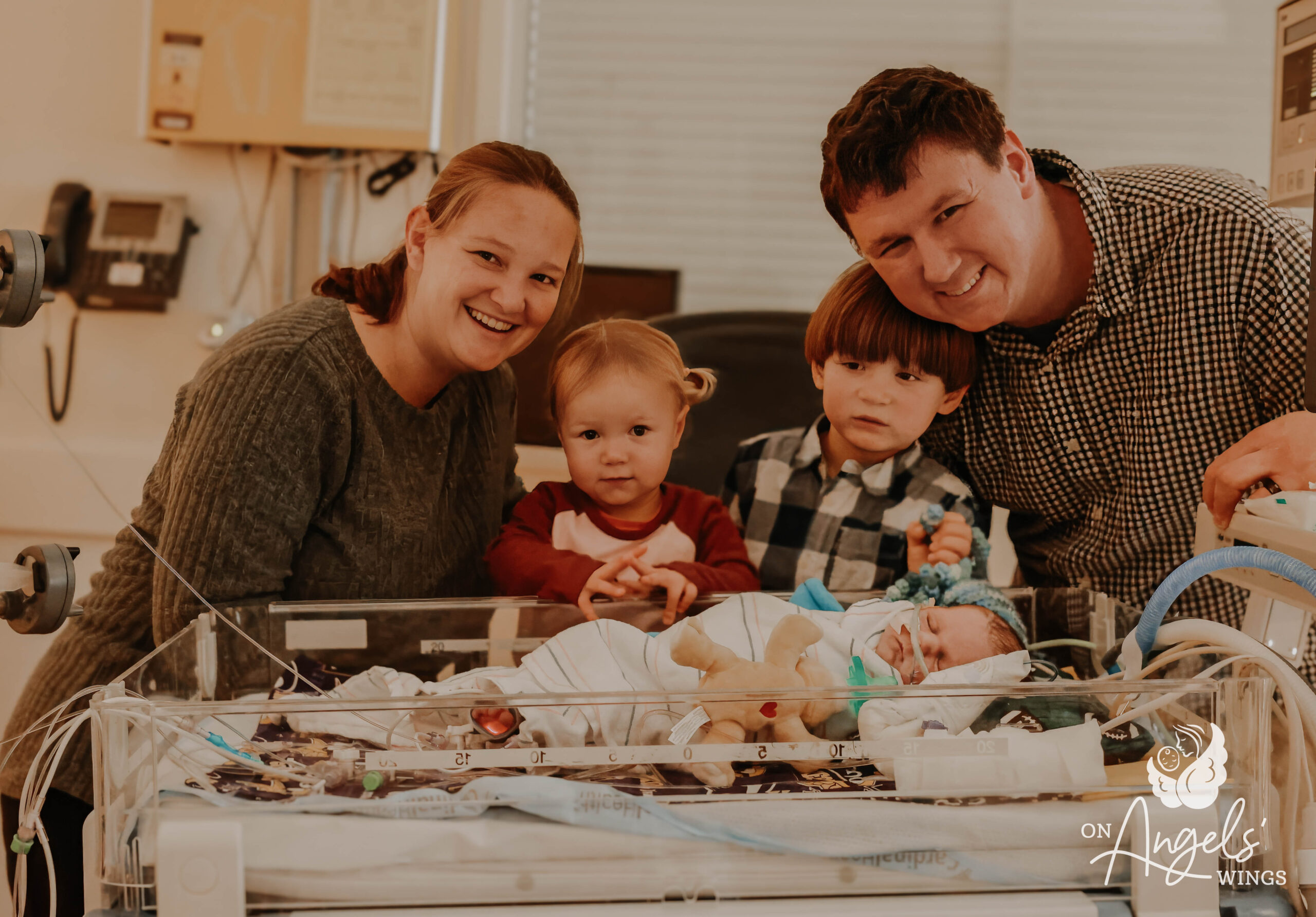
David was deeply loved and incredibly brave. He fought hard and often proved expectations wrong. He loved wagon rides, especially when accompanied by his facility dog friend, Fern—or his stuffed Fern if the real one wasn’t available. He loved music therapy, which made occupational and physical therapy a little easier. Most of all, he loved his big brother and sister. Whenever they entered the room, he would look for them and calm when he saw them. He wanted so badly to join them in everything—playground visits, wagon walks, and trips to the children’s play area. He loved watching basketball with Daddy, Bluey with Mommy, and listening to Taylor Swift when nothing else could calm him.
Since losing David, we’ve worked intentionally to keep his memory alive—especially for his siblings. We talk to him daily and read books with illustrations of him before bedtime. Though it’s been incredibly painful, we’ve also been surrounded by love and support. Since his passing, we’ve wanted to give back to those who cared for him. We have a special place in our hearts for the hospital where he spent five and a half of his seven and a half months—especially the music therapy program, the facility dog program, and the nurses who became like family. We restock prize carts, bring treats, and look for ways to support other children with heart conditions and spread David’s joy during their own fights.
The photos we received from On Angels’ Wings mean the world to us. They are some of the only photos we have of our entire family together. They remind us of the good days, the hope we held onto, and the love we shared.
When you’re walking through these valleys, you cling to every moment. You don’t want memories to fade because these may be the only moments you ever get with your child. The photos we received are a snapshot of that time, preserving memories we can return to again and again. These services are truly priceless.
