By Kashyarra Stanley
Mommy to A’Dorè
Cleft Lip/Palate, 18q23 Syndrome
Born November 2023
I found out I was pregnant and, during my anatomy scans, learned that my child was going to have complications. The doctors told me that she had a cleft lip and palate, along with a possible diagnosis of Trisomy 13, and that she might not live long. Tears came flowing, of course—just as they do for any mother who hears that kind of news about her child. At the time, I was receiving care at Cardinal Glennon, where one of the nurses introduced me to the On Angels’ Wings (OAW) program and gave me information about their support.
Because I already had a children, I was expecting a “normal” life—one where my child could play like other children and where I wouldn’t need a special care team, countless specialists, or as many surgeries as we’ve had to endure. I wanted to be able to work like a “normal” mother and continue with my plans to go back to school. Instead, I found myself grieving the loss of the life I thought I would have as a mother of two.
During my pregnancy, family members told me to prepare for the worst, even suggesting adoption because this “wasn’t a lifestyle I’d want.” Those words stuck with me. I was afraid—afraid of the unknown and afraid for my daughter’s future.
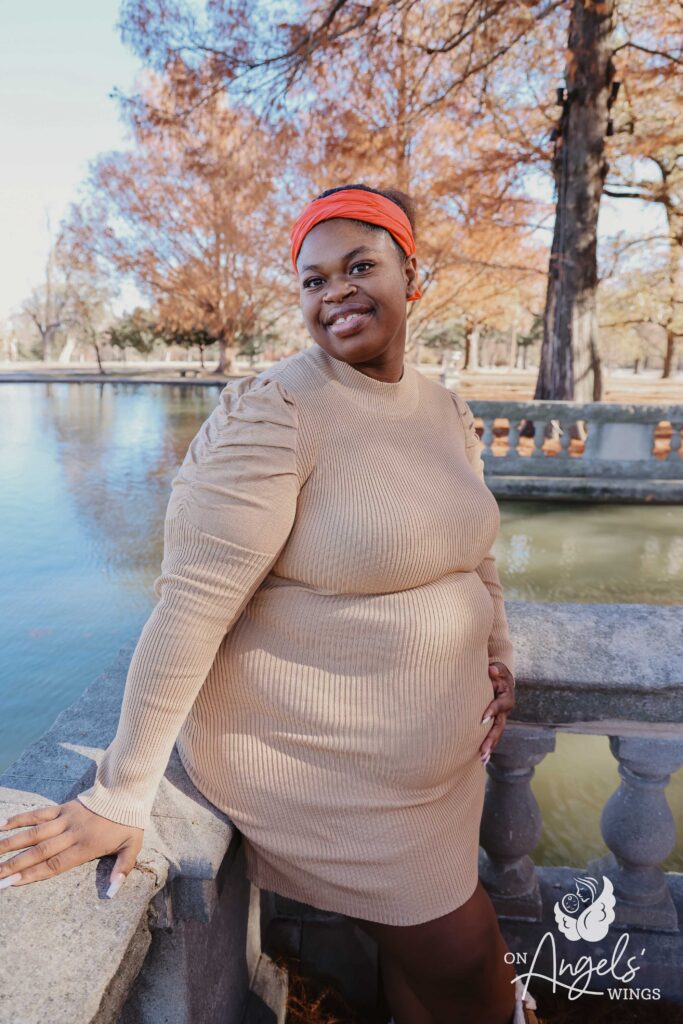
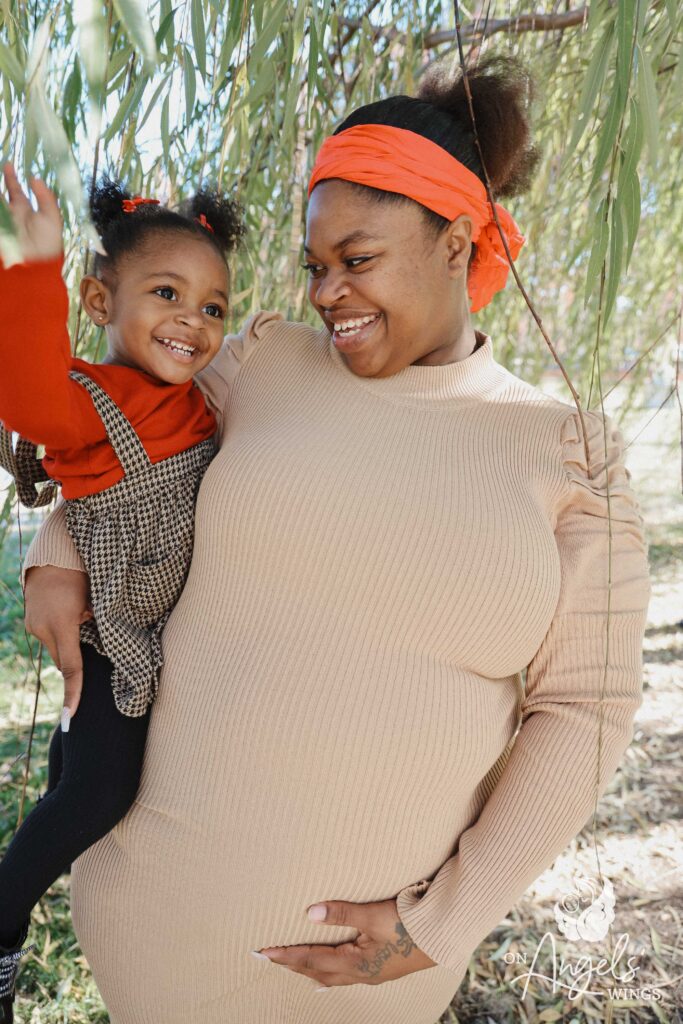
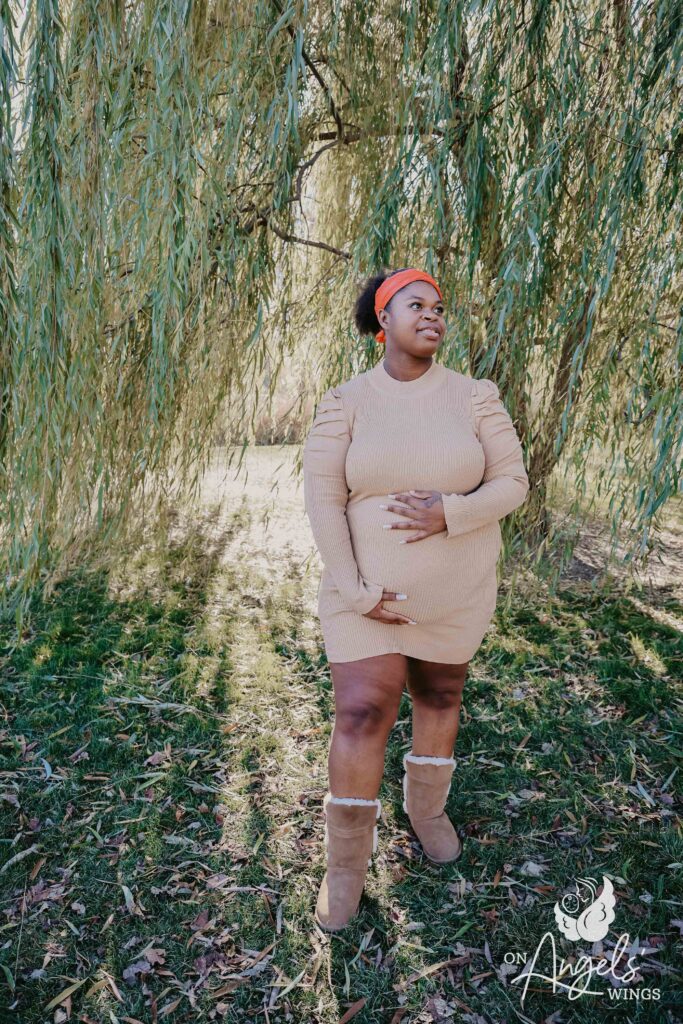

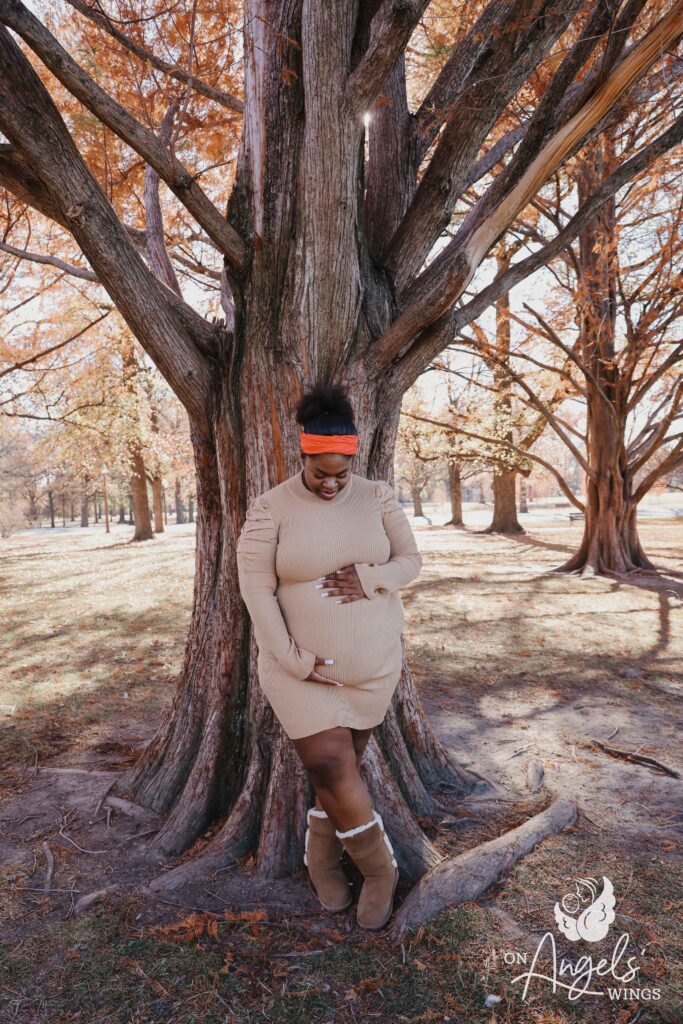
While receiving care from my OB, I was advised to be induced at 37 weeks for safety reasons. Although that is considered full term, I declined and chose to wait, hoping to carry her as close to 40 weeks as possible. My doctor warned me that my body might not be able to handle it and that there was an increased risk of losing her—another heartbreaking moment. I made it to 39 weeks and 4 days when my water broke naturally at home. It was my first time experiencing that, and I panicked. I called my mom, and she rushed me to St. Mary’s Hospital in St. Louis.
During labor, my contractions were strong, but my daughter wasn’t responding well. Her heart rate dropped dangerously with each contraction. The medical team told me that if the pattern continued, they would need to perform an emergency C-section—and they did. Her heart rate wouldn’t stabilize, and she kept slipping off the monitor, going quiet for moments that terrified everyone in the room. In the operating room, I had a full-blown anxiety attack. Everything felt like life or death, and all I could think was, “Not again.” I had a stillborn child years before, and the situation mirrored what happened with my oldest. I was reliving a mother’s worst nightmare.
When A’Dorè was finally born, she was very small—almost borderline premature—at just 5 pounds, 1 ounce. We were able to take her home from the hospital with the knowledge that we had a long road ahead.
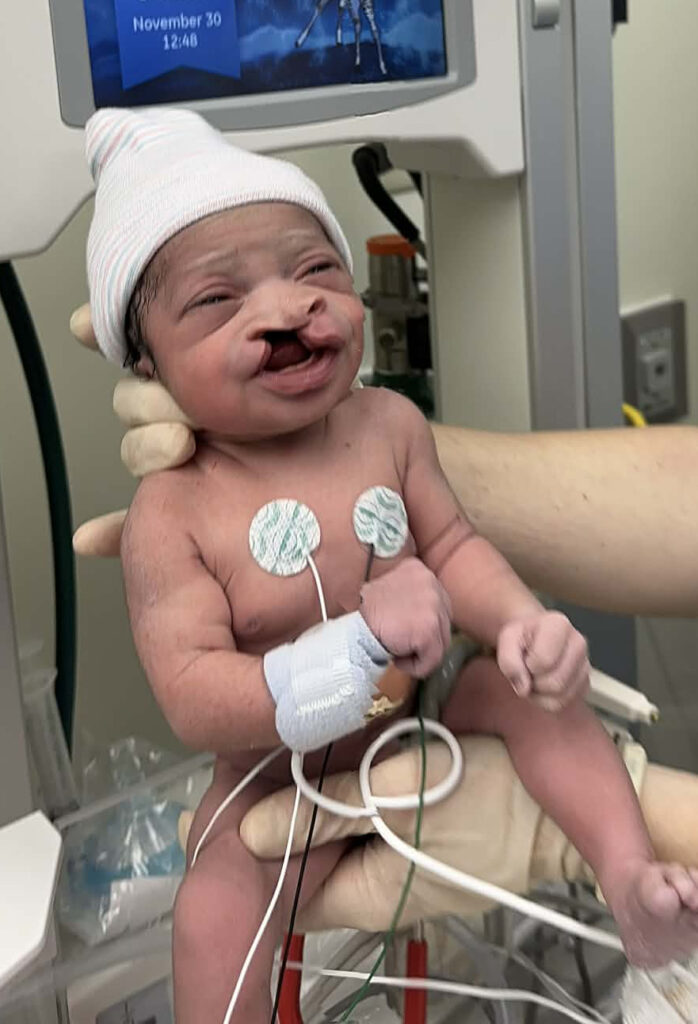
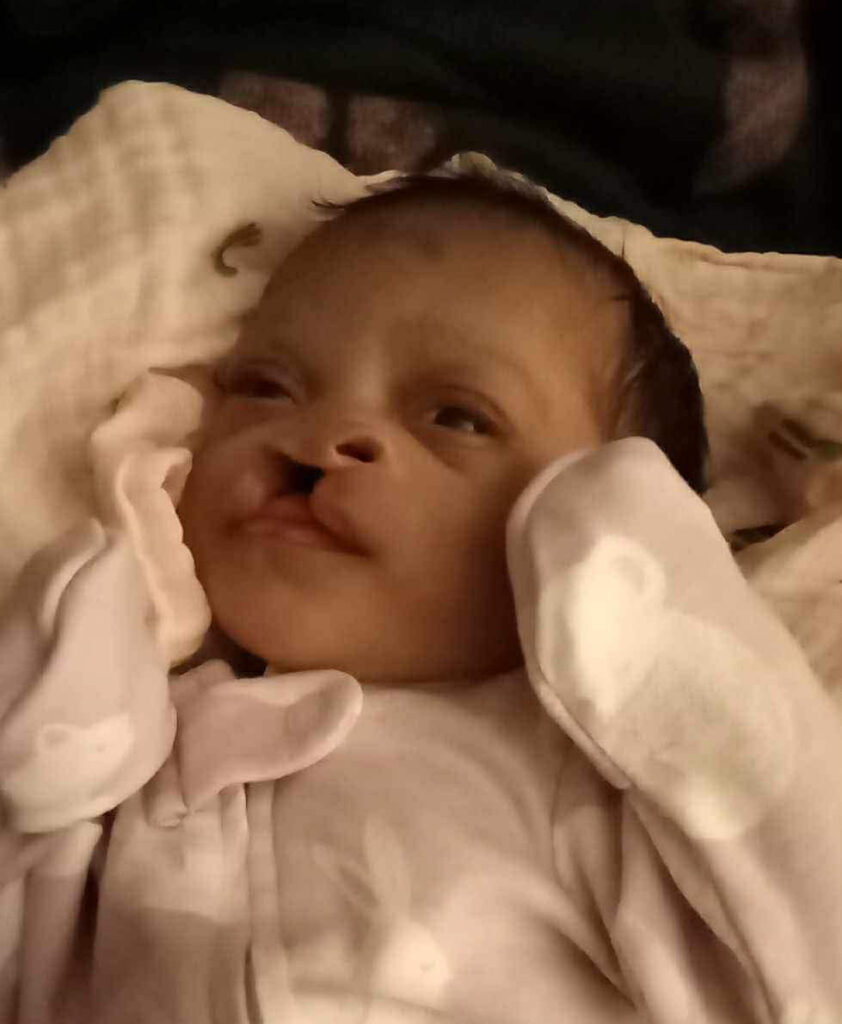
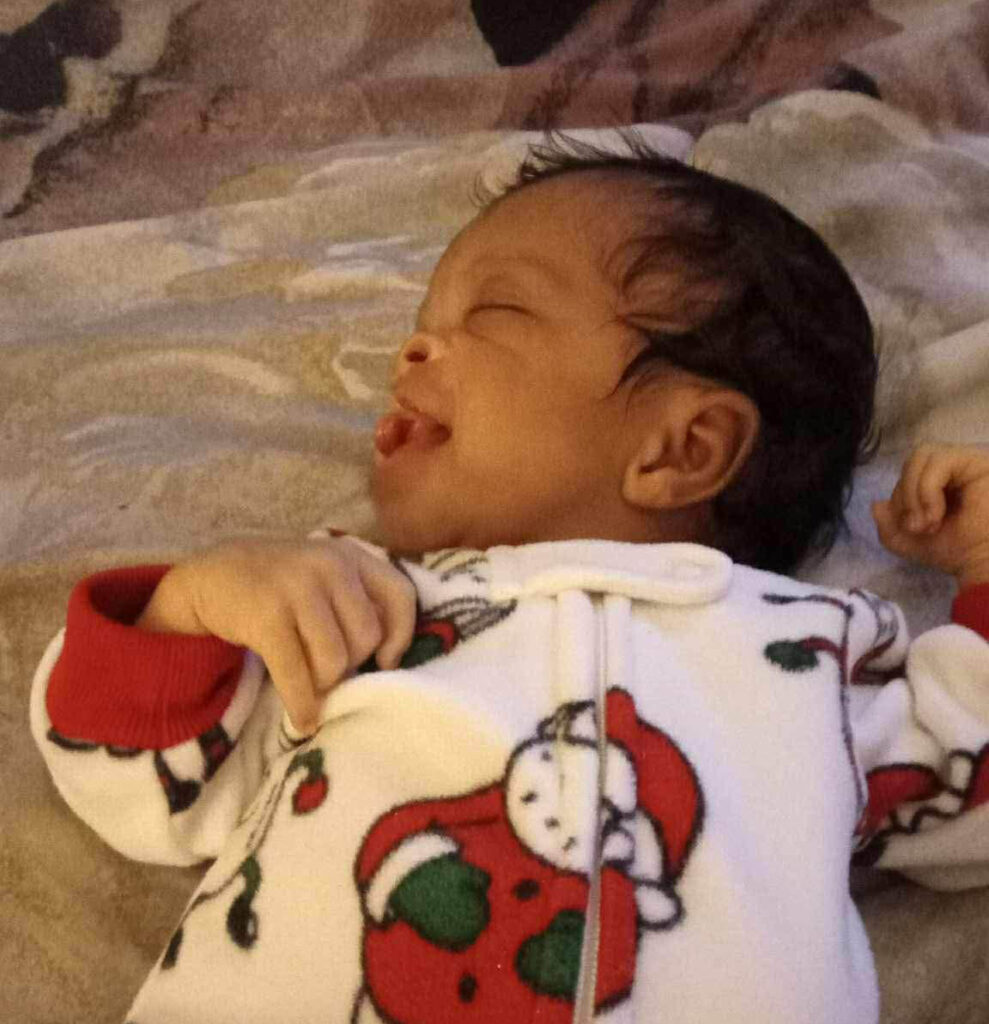
She has endured multiple hospital stays and surgeries. Her first surgery was at six months old, followed by another at ten months. Watching my child undergo critical surgeries and anesthesia before the age of one was incredibly hard. The first hospital stay lasted a few days; the second nearly a week because she continued swelling with fluid and refused to eat. She was also hospitalized for failure to thrive, meaning she was losing weight rapidly and not gaining as expected. Balancing hospital stays with caring for my oldest child was exhausting, so instead of traveling back and forth, I stayed in the hospital room with my youngest to be present every moment.
My daughter now sees multiple specialists who will follow her throughout her life. Her appointments are often back-to-back, making for long days at the hospital and one very tired mama. She is smaller and shorter than most children her age. She has had tubes placed in her ears due to small ear canals and has a tethered spinal cord that could cause additional complications. She has received physical therapy and occupational therapy and now requires speech therapy to help her learn how to speak, eat, and drink.
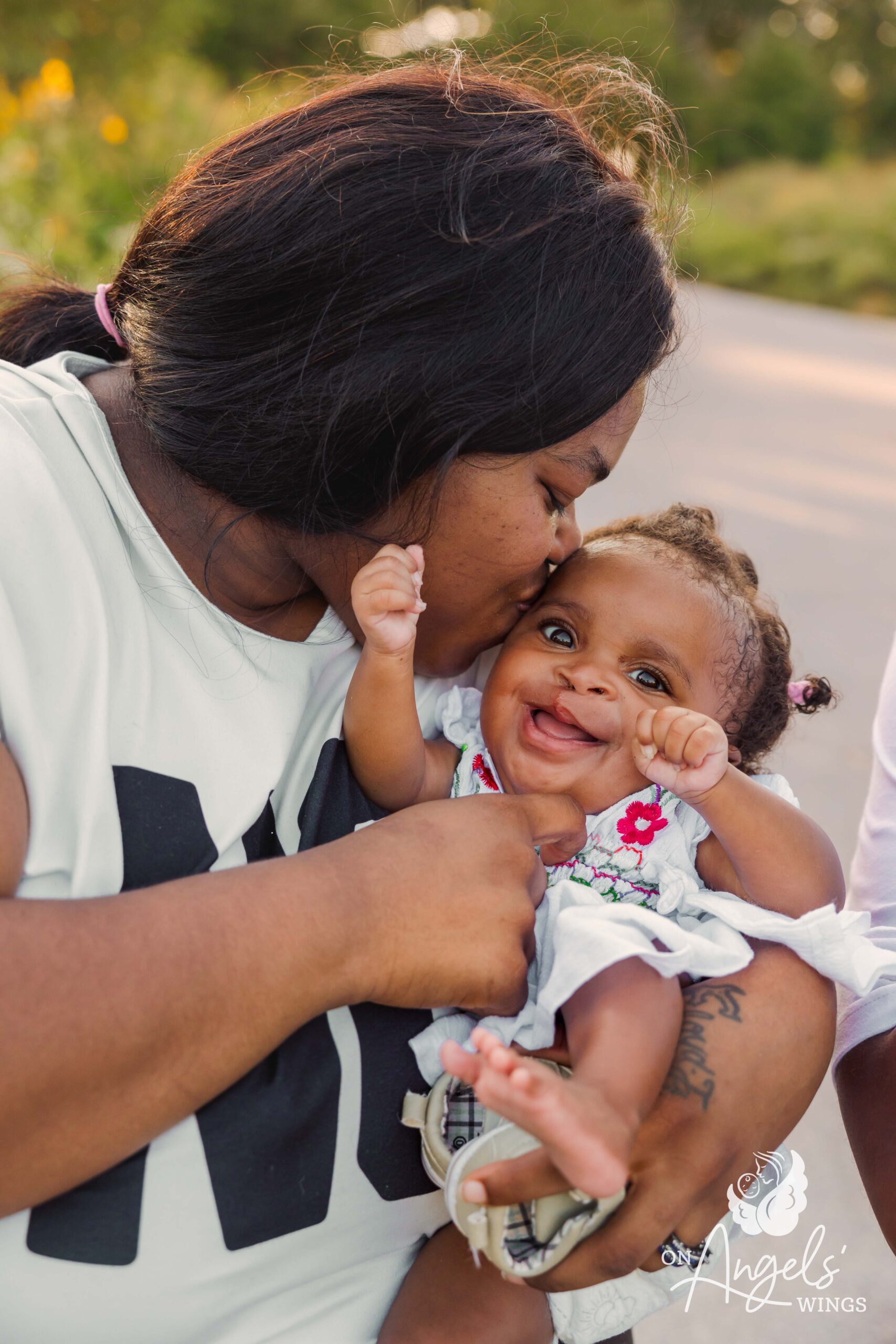
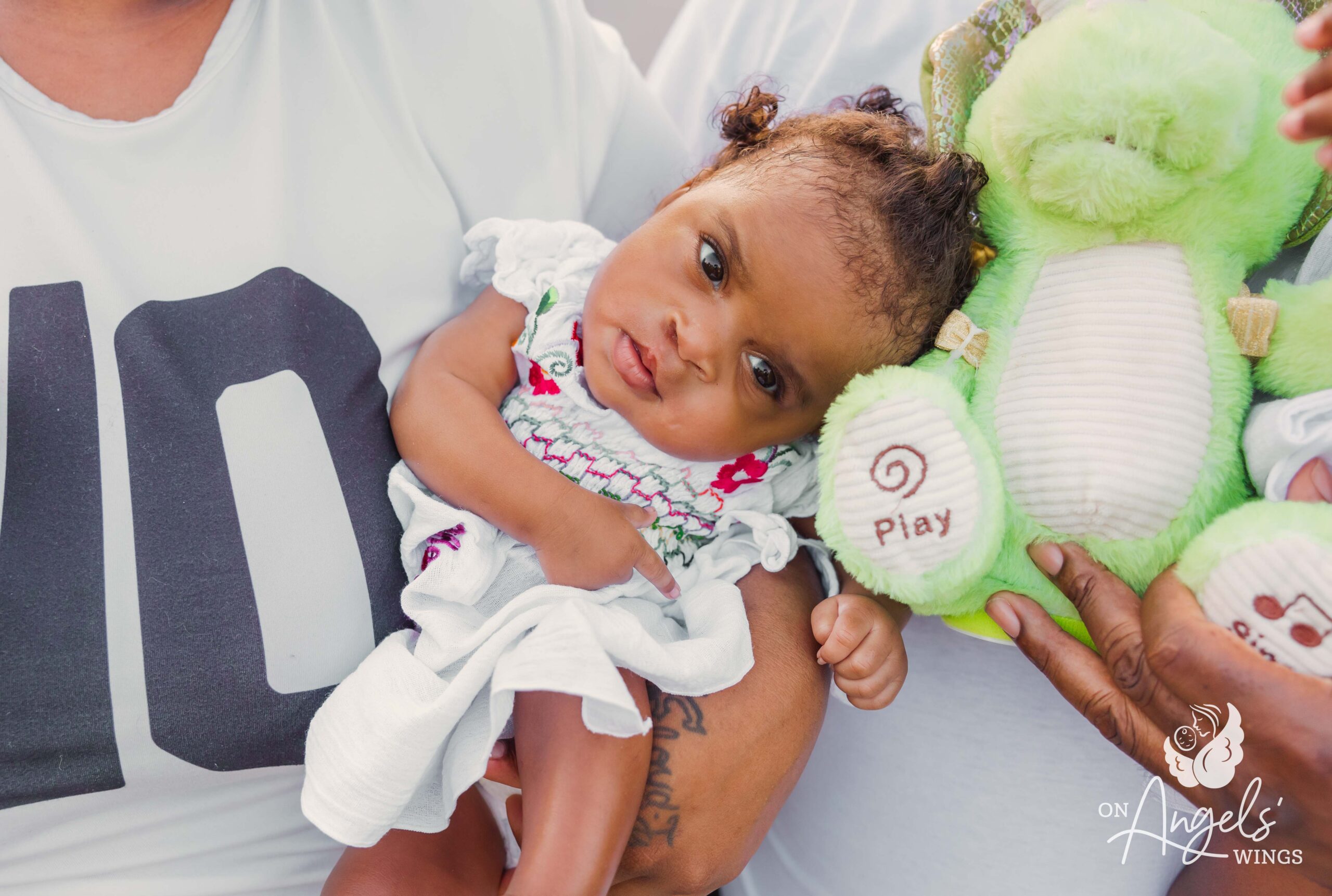
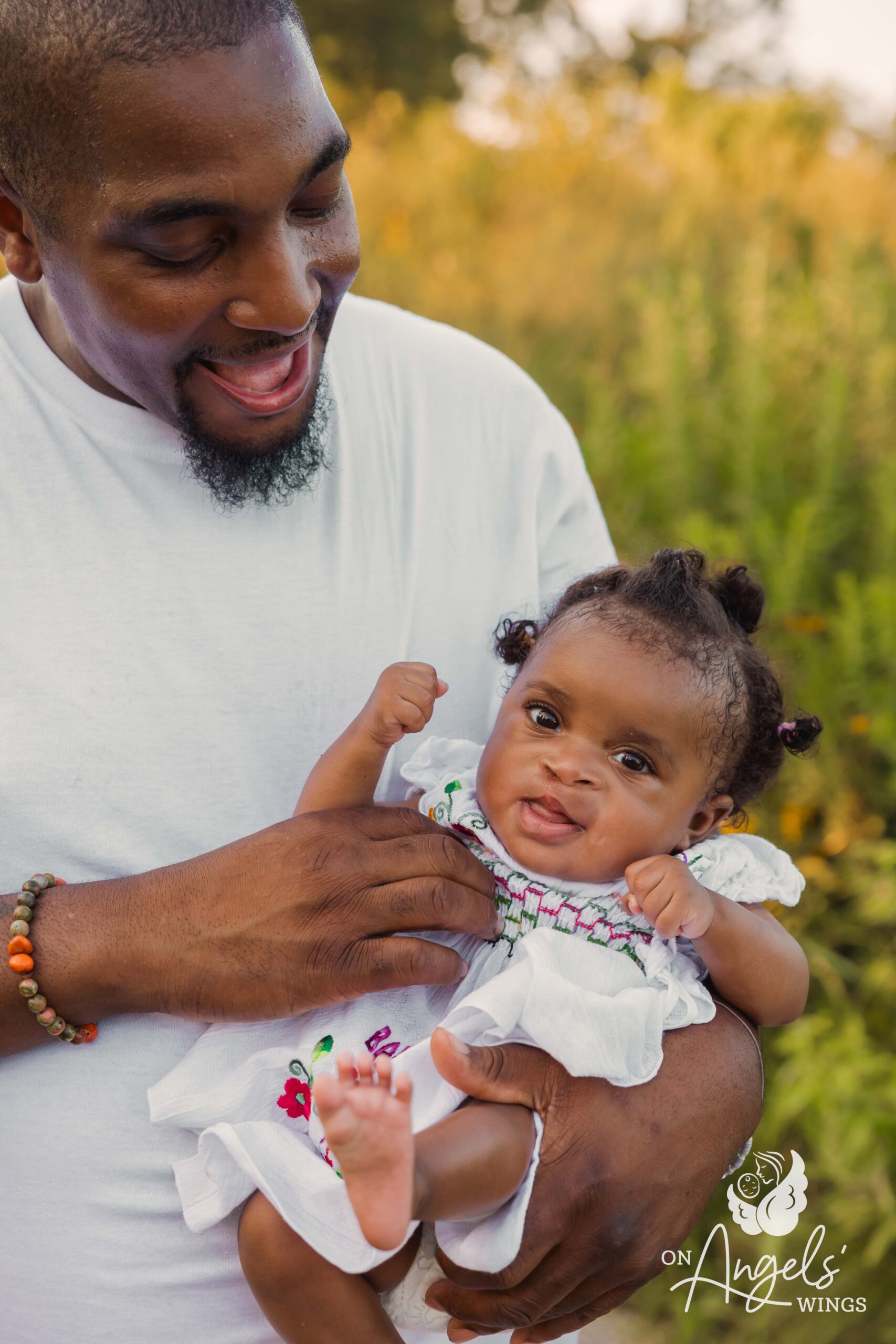
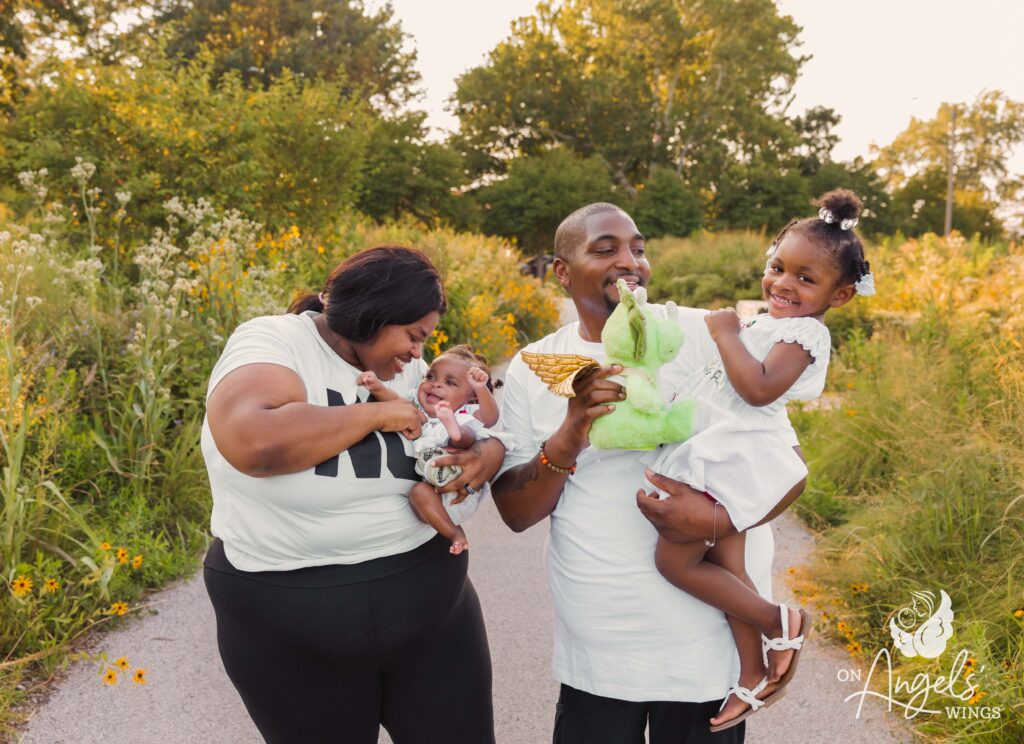
She uses a special bottle because she doesn’t have the same suction ability as most babies. She is delayed in walking, and doctors have told us she may experience developmental delays. Finding a sitter is extremely difficult because she requires a suction machine to prevent choking and needs thickener added to her liquids. For a long time, she couldn’t eat and had to rely on a special formula that isn’t always easy to find. Breastfeeding was also a challenge because she had difficulty latching.
Leaving my child behind to work or attend school is incredibly hard, especially since she could not attend daycare due to the amount of medical equipment and special medications she required. No one can care for her except family, and even that is difficult to manage. I’ve put my dreams on hold, not knowing if I’ll ever be able to work again. I worry that life will never return to normal—that we would never be an average family. I feared the judgment we will face from the world and I’m worried about how she will be treated when she starts school. The stares, the looks, and the constant questions are overwhelming. When she was born, I didn’t post photos of her for a long time, waiting until after her facial surgery because I didn’t want her to become the subject of gossip.
Some days are better than others when appointments pile up, stress levels rise quickly, especially when trying to coordinate school, work, and my own medical needs. I often have to ask for help from family members or her dad because it’s a lot to manage and keep track of.
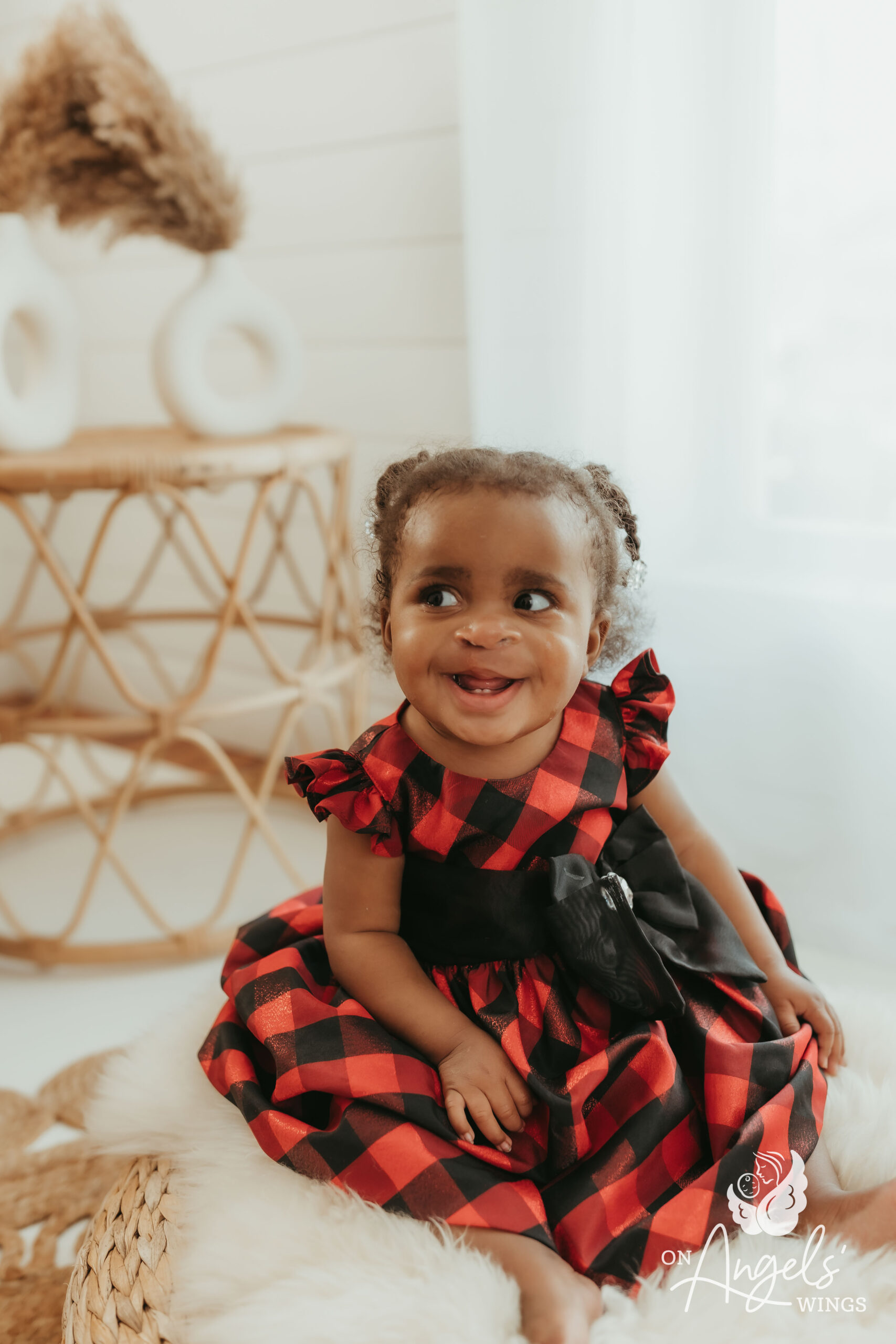
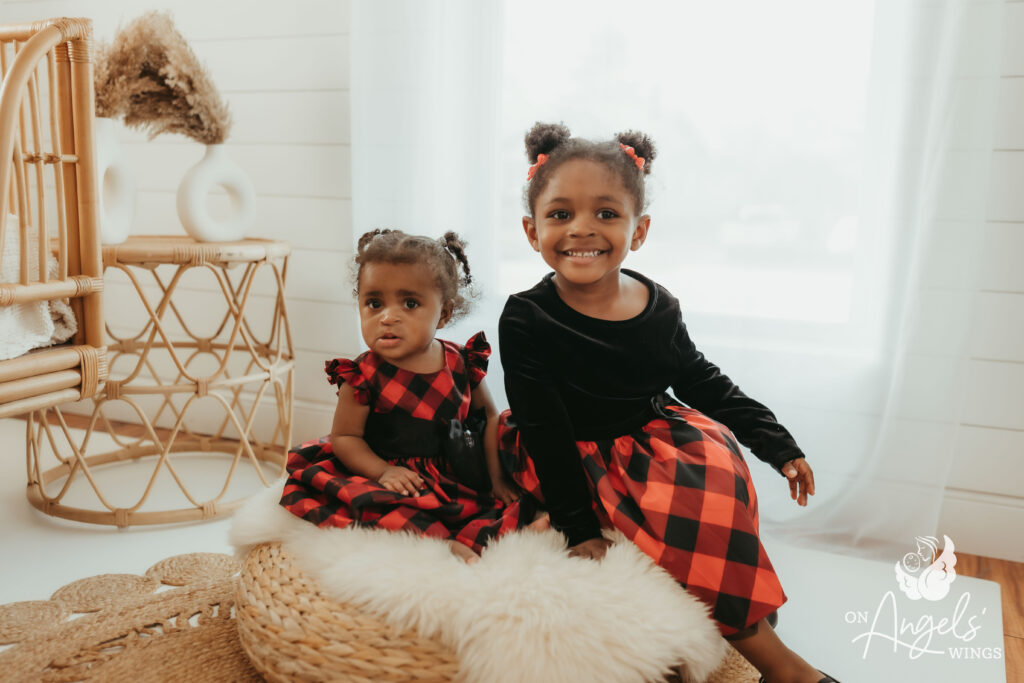
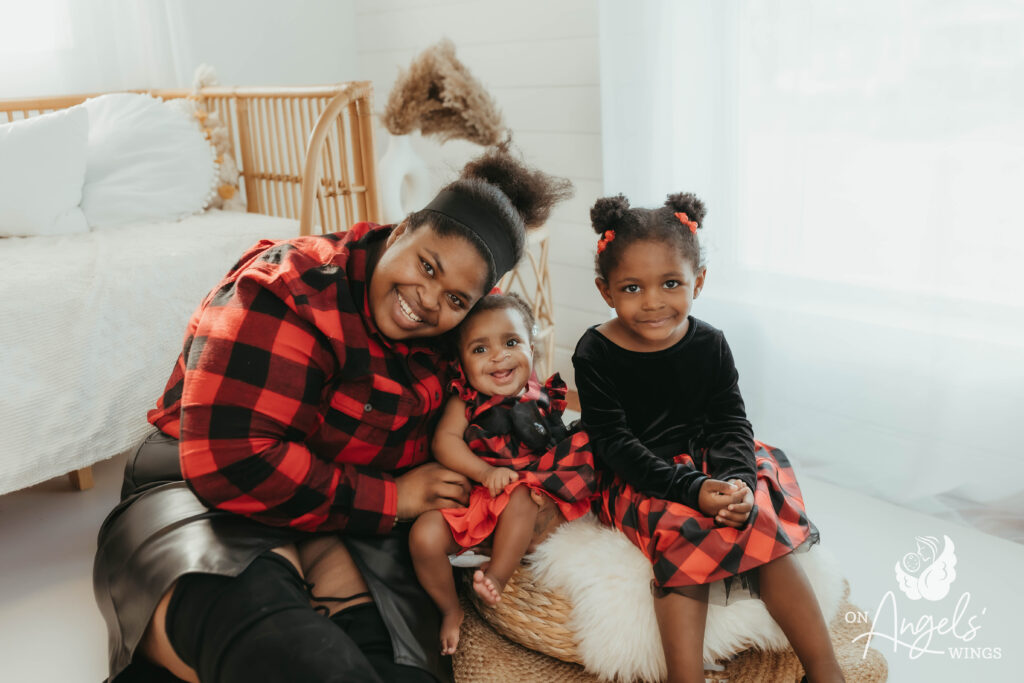
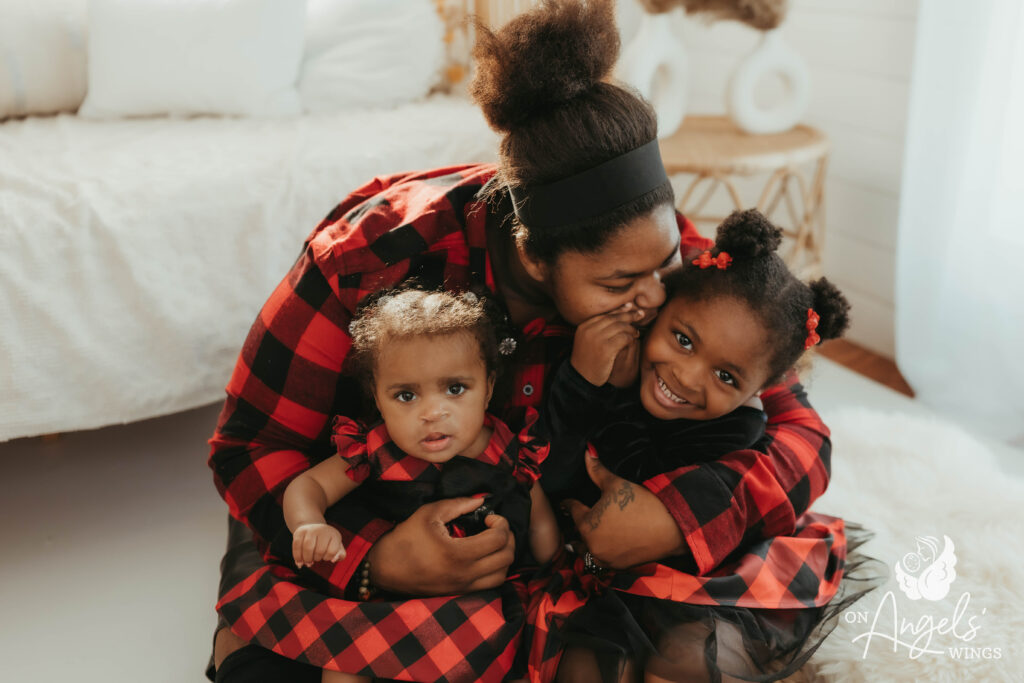
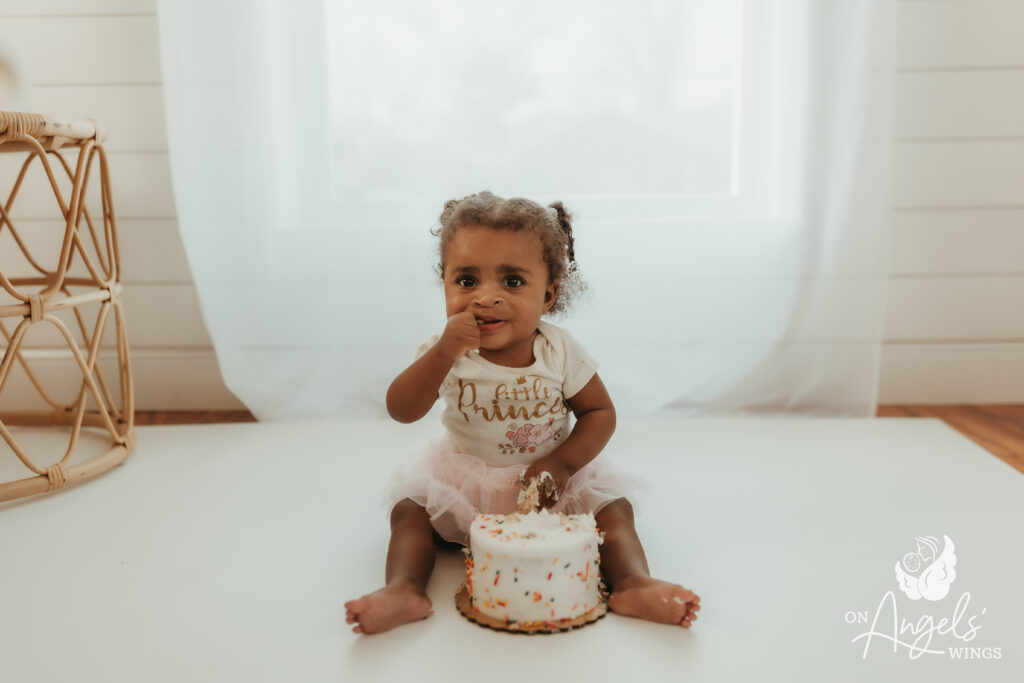
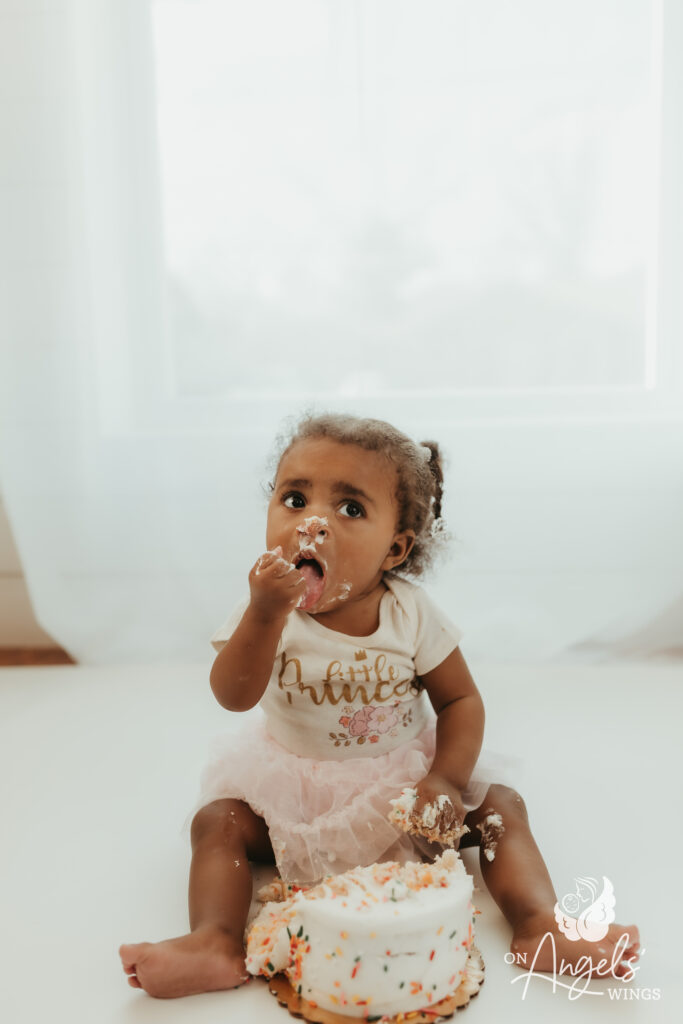
My daughter’s condition is genetic, but it does not define her. I believe she will beat the odds. I hope that one day my daughter will attend a regular school, even with potential learning disabilities. I want her to be able to connect with children her age, regardless of whether they have conditions of their own, and to simply enjoy her childhood. I dream of her being able to eat all the foods she wants without worrying about aspiration or needing suction.
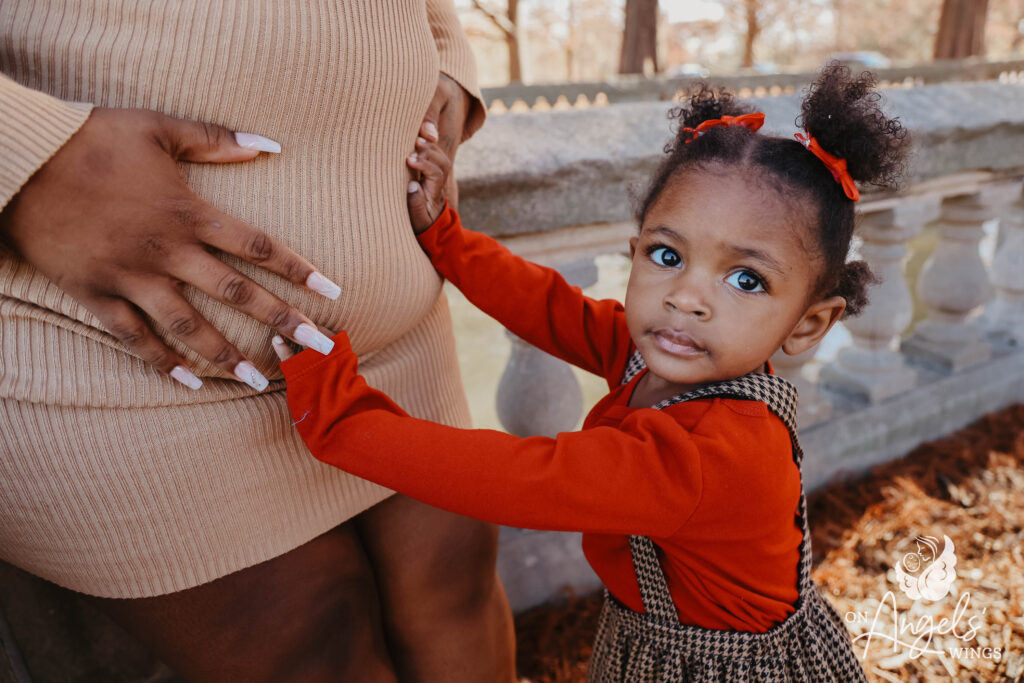
On Angels’ Wings became part of my support journey while I was still pregnant. A nurse at Cardinal Glennon gave me a pamphlet and encouraged me to reach out, letting me know OAW could support me through this difficult time. I had a wonderful experience during my maternity photo session—especially because the photographer happened to be a friend I went to high school with. I was able to include my fiancé and my oldest child, and the photographer made me feel confident and beautiful during such an emotional season.
I love having memories that show how far my daughter and I have come. Having a support system outside of doctors and nurses—one filled with families who understand the emotional juggling that comes with raising a child with special needs—has been invaluable. I love meeting other moms and families at gatherings. Seeing a smiling face and feeling understood goes a long way.
The grief recovery program has helped me tremendously as I cope with the loss of my oldest child. I love keeping his memory alive through photos and open conversations. Having a safe, judgment-free space to vent and process my emotions has been healing in ways I can’t fully explain.
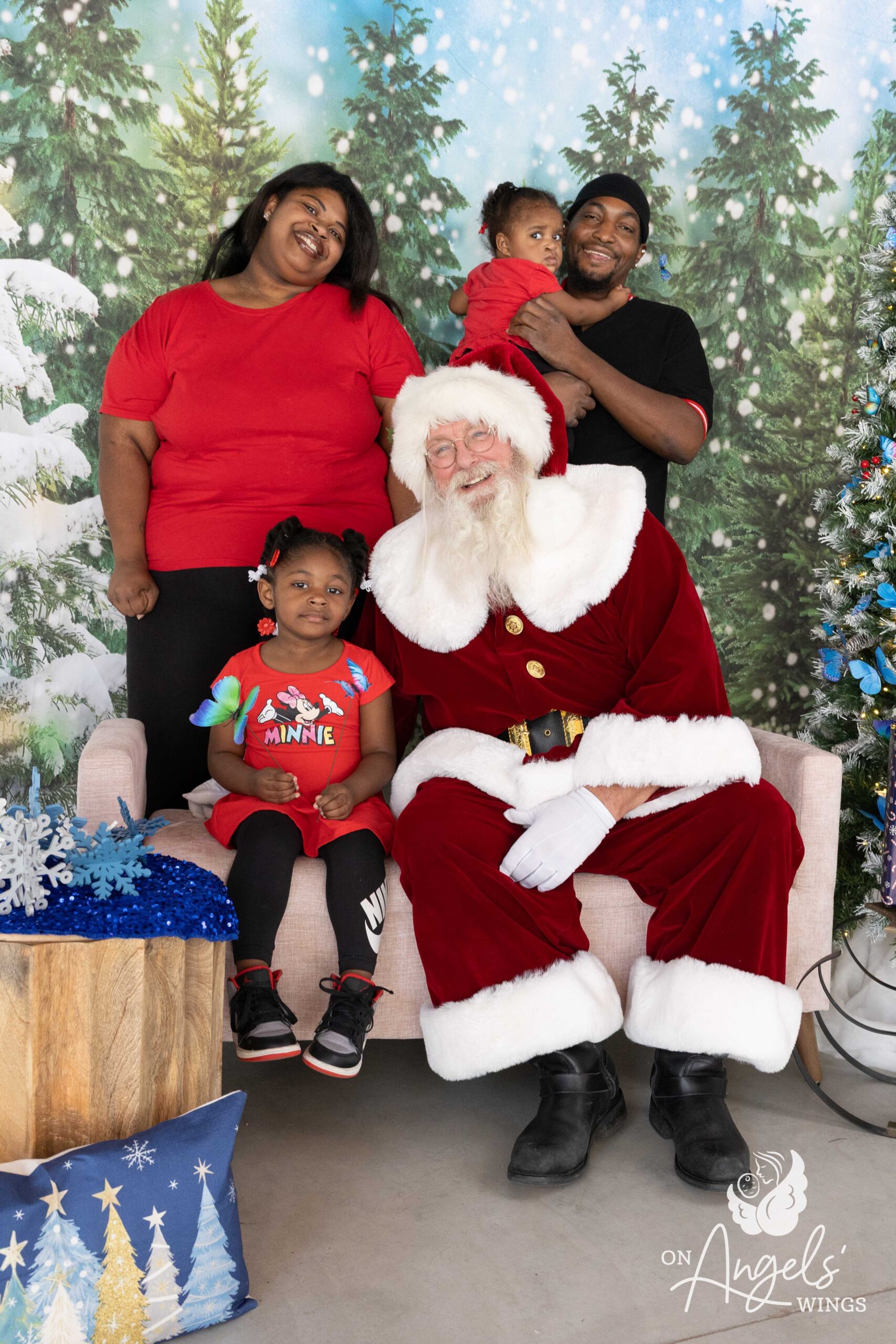
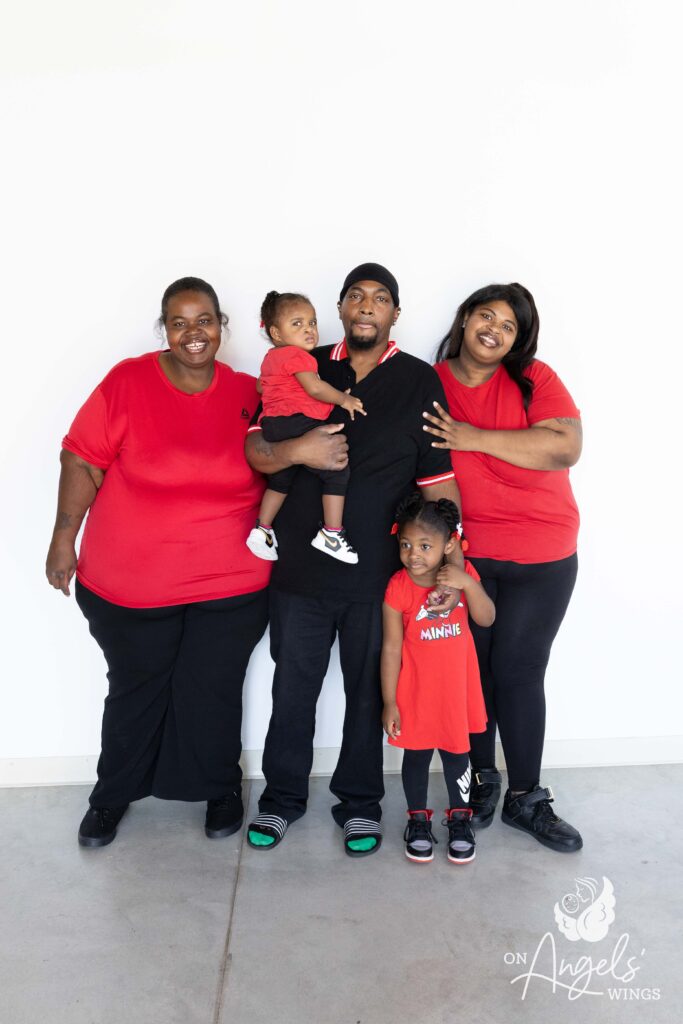
On Angels’ Wings helps keep memories alive for children who have passed, provides valuable resources, and connects families walking similar paths. Knowing you have another support system—people who genuinely care about your family—eases so much stress. In the end, pictures are often all we have, and those images can bring comfort, smiles, and healing on even the hardest days.
OAW has made a lasting impact on my life—from simple check-ins to community events that help us get out of the house and connect with others. I cherish being able to see the progress my daughter makes along her journey and knowing we’re not walking this road alone.