By Seraine Page
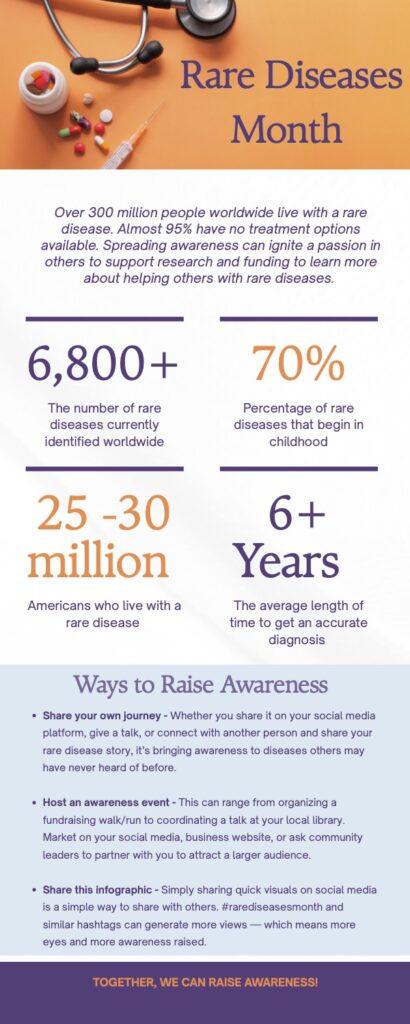
February is Rare Diseases Month — a time set aside not for statistics alone, but for the families experiencing diagnoses that most of the world may never hear named.
In reality, there are more than 6,800 rare diseases that an estimated 25 to 30 million Americans live with daily.
For caregivers walking this road, awareness is not a campaign — it’s daily life. It’s an experience that lives in medical charts, long nights, waiting rooms, whispered hopes, and hard conversations that one is rarely prepared to have. Rare disease is not rare in its impact. It reshapes how many families live and the future experiences of their children.
This month, we slow down to acknowledge that reality and the children at the core of it. In the post below, learn more about seven different rare diseases that we’ve seen impact our On Angels’ Wings families firsthand:
- Lissencephaly
- Alobar Holoprosencephaly
- Mowat-Wilson’s Syndrome
- Battens Disease
- Walker-Warburg Syndrome
- Sanfilippo Syndrome
- Leigh Syndrome
Below, learn more about what rare disease means, what families often face after a diagnosis, and why preserving these stories matters more than ever.
What Does a Rare Genetic Diagnosis in a Baby Really Mean?
When a doctor says your baby has a rare genetic condition, the words can feel heavy, clinical, and impossible to absorb.
At its core, the diagnosis usually means there is a change, or mutation, in a gene — written into the body’s blueprint — that can affect how one or several of the body’s systems develop and function.
These conditions are called “rare” because they affect a small percentage of the population.
How Common Are Rare Diseases in Babies?
Medically, rare diseases are defined as conditions that impact fewer than 200,000 people in the United States, according to the National Human Genome Research Institute.
Research shows that roughly 80% of rare diseases have a genetic origin, with many often showing up in infancy or early childhood, according to organizations like the National Organization for Rare Disorders.
Researchers have found that when diseases can be traced back to a single gene, they’re referred to as genetic diseases that can be passed on from one generation to the next, which is why rare diseases “run in families,” according to the National Human Genome Research Institute.
Single-gene, rare diseases you may have heard of include cystic fibrosis, muscular dystrophies, and Huntington’s disease.
Rare Genetic Diseases That Impact Infants & Children
At On Angels’ Wings, we meet a variety of families helping their child with rare and challenging diseases. For Rare Diseases Month, we wanted to share some of the rare childhood diseases our families have experienced to raise even more awareness.
Here’s a look at seven of them:
Lissencephaly
What it is: A brain malformation where the surface of the brain appears unusually smooth.
How rare: ~1 in 100,000 births.
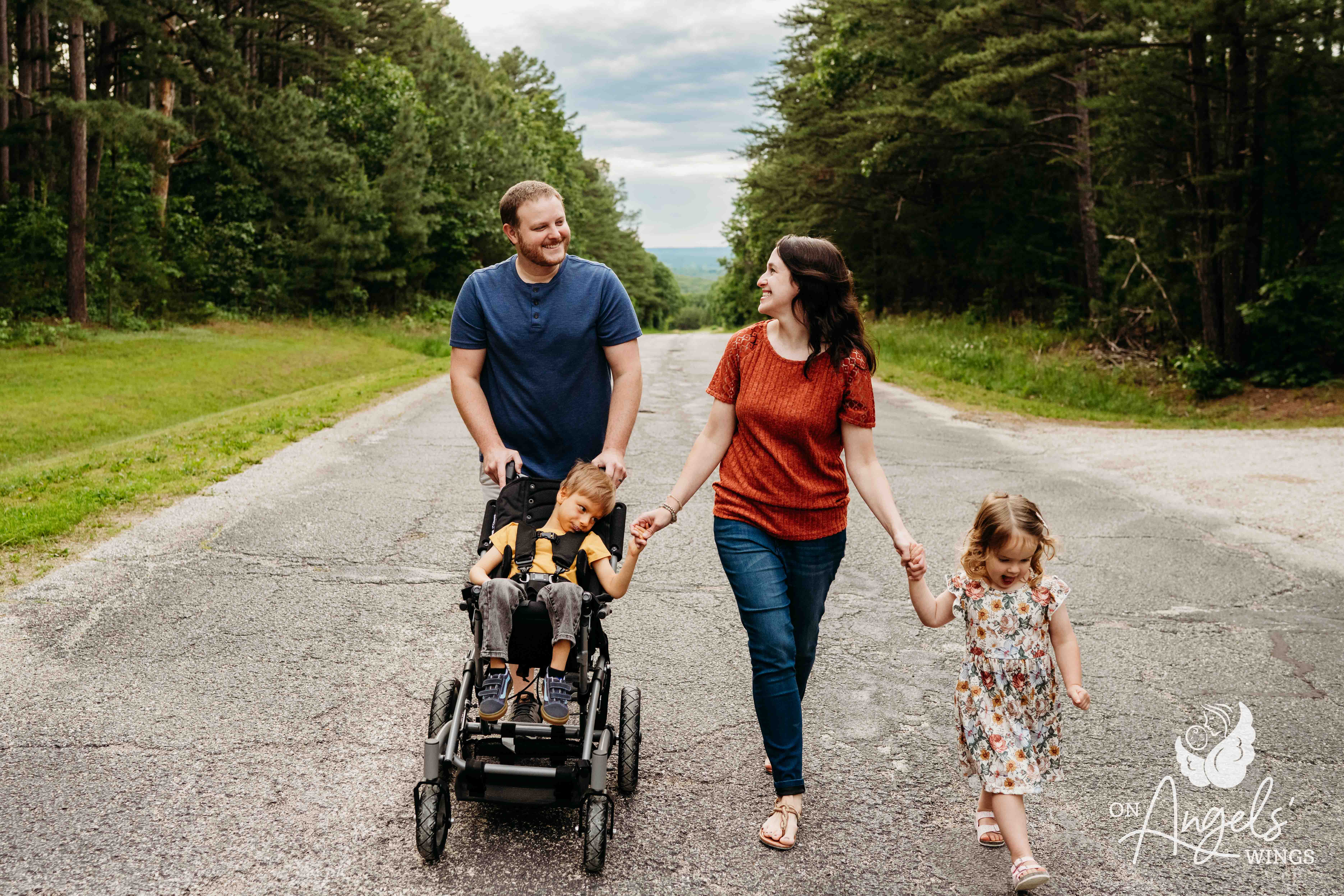
Lissencephaly type 1, also known as classic lissencephaly, is a rare brain malformation characterized by an unusually smooth cerebral cortex due to abnormal neuronal development before birth. This lack of normal brain folds often results in significant developmental delays, meaning children may progress more slowly in motor skills, communication, and cognitive development compared to their peers.
It may occur as a standalone condition or in association with certain syndromes like Miller-Dieker syndrome. Many children with lissencephaly also experience seizures, which commonly begin in infancy and can be a major part of their medical care.
Alobar Holoprosencephaly
What it is: This birth defect causes a lack of proper fetal brain development.
How rare: 1 in 16,000
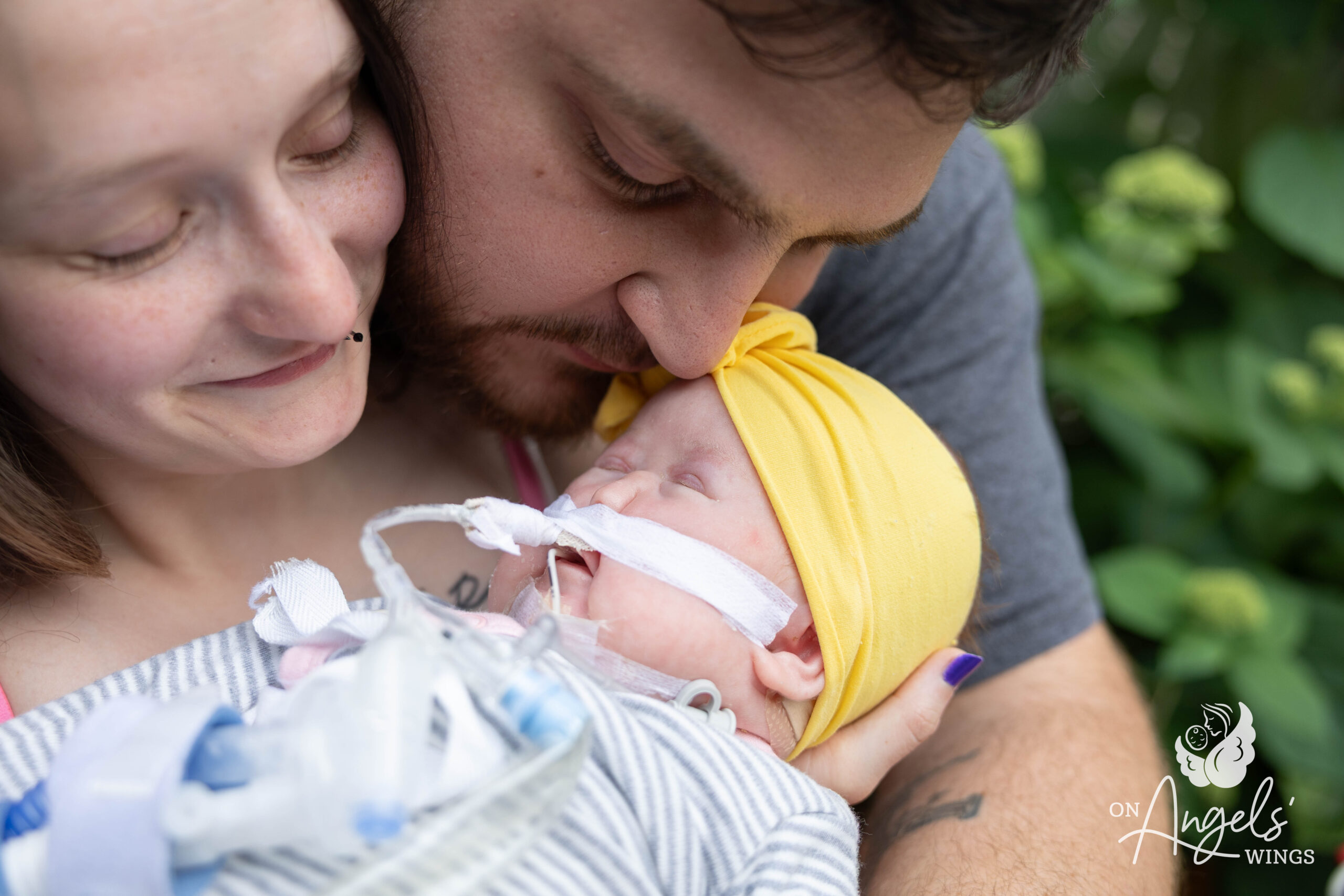
This congenital condition is one of the three main types of holoprosencephaly (HPE) and develops during the second and third weeks of fetal development, according to the Cleveland Clinic. As the most severe type, the fetal brain doesn’t divide into distinct left and right hemispheres. This is typically associated with severe facial deformities. Babies are born stillborn or often die shortly after birth.
Related: Serenity’s Story
Mowat-Wilson Syndrome
What it is: A genetic syndrome affecting development, often linked with Hirschsprung disease, seizures, and intellectual disability.
How rare: 1 in 50,000–100,000
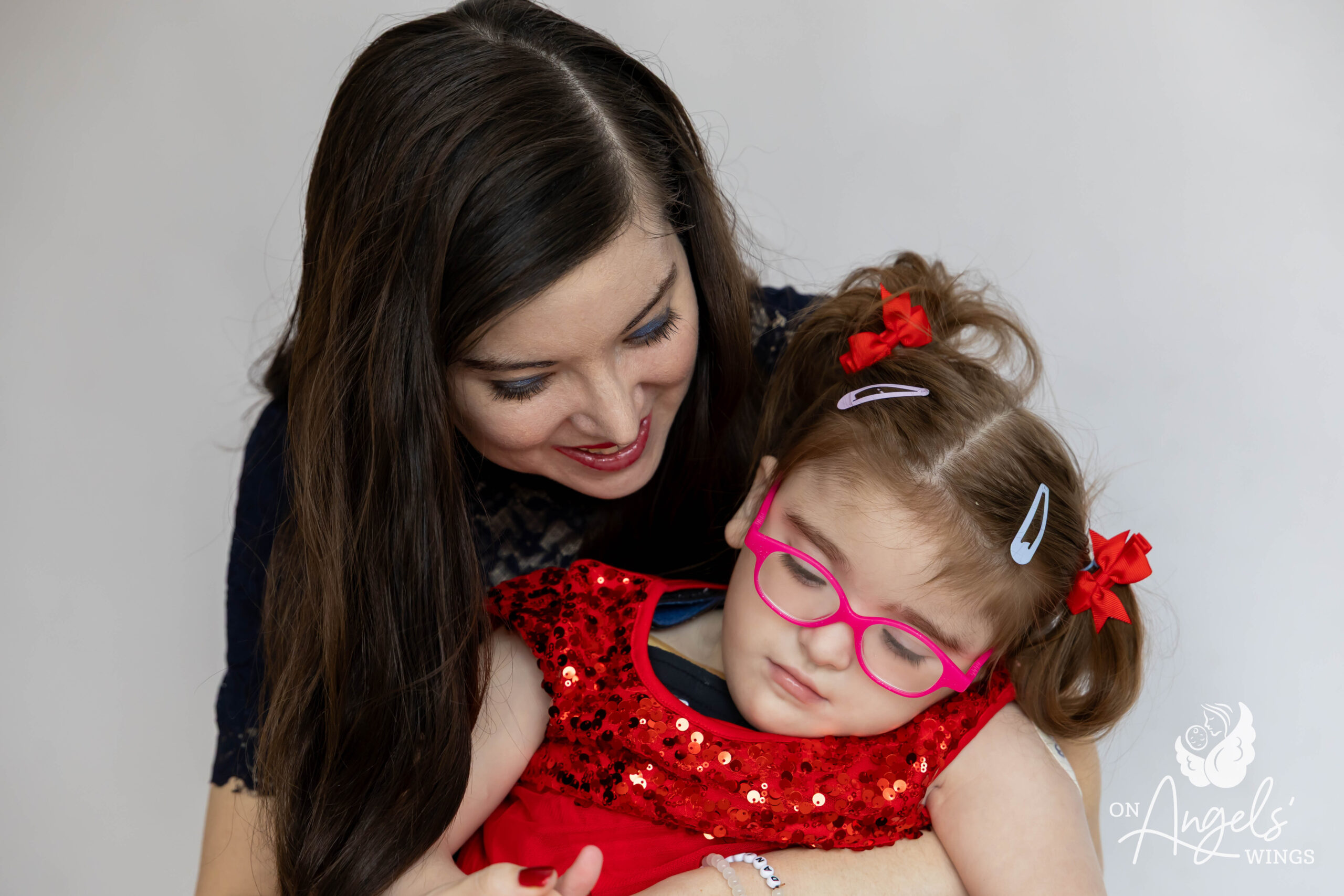
Mowat-Wilson syndrome (MWS) is characterized by moderate-to-severe intellectual disability and significant delays in motor and language development, with many children having limited or absent speech.
Those with MWS may also experience seizures and distinctive facial features that may become more noticeable with age. Additional health concerns can include congenital heart defects, urogenital anomalies, short stature, and eye abnormalities, though not every child will have all features. Sometimes symptoms appear during pregnancy or at various ages.
Related: Congenital Heart Defect (Hypoplastic Left Heart Syndrome)
Batten Disease (Neuronal Ceroid Lipofuscinoses)
What it is: A group of progressive genetic disorders affecting the brain and nervous system.
How rare: 2-4 in 100,000
Batten disease often begins after a period of normal early development, with symptoms progressively worsening as neurons deteriorate. Early signs most commonly include vision loss, as the retina and visual pathways are affected, followed by seizures, loss of motor skills, and cognitive decline as the disease progresses. Children may also experience movement difficulties, behavior changes, and increasing challenges with speech and coordination.
There are 14 different types of Batten disease, according to the Cleveland Clinic.
The condition, unfortunately, doesn’t have a cure yet and is considered fatal. Healthcare providers and support staff focus on treating symptoms and quality of life care.
Walker-Warburg Syndrome (WWS)
What it is: A severe congenital muscular dystrophy affecting the brain and eyes.
How rare: 1.2 in 100,000
Walker-Warburg syndrome typically presents at birth or in early infancy with severe muscle weakness and delayed development. These babies have a “floppy,” rag doll-like appearance due to poor muscle tone. A baby with this rare disease often struggles with lifting their arms, legs, and head.
Structural brain abnormalities such as cobblestone lissencephaly (abnormal brain surface), buildup of fluid in the brain (hydrocephalus), and malformations of the cerebellum and brainstem are common and contribute to profound developmental challenges.
Eye anomalies may include small or abnormally formed eyes, cataracts, and optic nerve problems that lead to visual impairment. Occasional seizures and intellectual disability are frequently observed, and most affected children have a significantly shortened life expectancy due to the severity of the condition.
Genetic mutations cause more than half of all Walker-Warburg syndrome cases, according to the Cleveland Clinic.
Related: Amari’s Story
Sanfilippo Syndrome
What it is: A metabolic condition that mainly affects the brain.
How rare: 1 in 70,000 to 250,000
Sanfilippo Syndrome typically appears normal at birth, but early childhood development slows or stalls as the central nervous system becomes affected, leading to delays in speech and learning. This condition is also known as mucopolysaccharidosis type III (MPS III).
As the condition progresses, many children show behavioral changes such as hyperactivity, impulsivity, sleep disturbances, and features similar to autism spectrum disorders.
Over time, significant cognitive decline, loss of previously acquired skills, difficulties with movement and coordination, and seizures often develop, reflecting worsening neurodegeneration. Most individuals with Sanfilippo Disease have a shortened life expectancy, but many survive into adolescence or early adulthood.
Leigh Syndrome (Leigh’s Disease)
What it is: A progressive inherited neurodegenerative condition.
How rare: 1 in 40,000
Leigh syndrome typically appears in early childhood — often between 3 months and 2 years of age — after a period of seemingly normal health. There are more than 75 different genes that are known to cause this condition, according to the Cleveland Clinic.
Early signs may include poor sucking ability, loss of head control, feeding challenges, irritability, and vomiting, reflecting early neurological and metabolic stress. The symptoms often come rapidly.
As the condition progresses, many children show developmental regression, weakening muscle tone, movement disorders (such as ataxia and spasticity), and seizures, all of which reflect advancing damage in energy-dependent nervous system cells.
What Families Often Face After a Rare Diagnosis
There’s no doubt that the diagnosis of a rare condition changes a patient’s life. What many don’t see, though, is the trickle-down effect it can have on families as a whole.
A rare disease diagnosis often means:
- Daily life adjustments – Whether it’s a diagnosis right after birth, or one later in life, there are major adjustments that take place for the patient and their family. Learning medical lingo, conversing with specialists regularly, and planning ways to achieve a sense of normalcy all take time.
- Financial burden: A rare disease diagnosis can be financially draining. Between time away from work, specialists’ costs, gas, and other medical needs, the costs can be astronomical. Aside from insurance, connecting with hospital social workers, government financial need programs, and private charities can help families with bills, resources, and more.
- Emotional challenges – The uncertainty of treatment plans, specialist challenges, and other ongoing management can be tiring. Taking care of a patient with special and chronic medical needs requires a lot of energy physically and emotionally, which can sometimes lead to compassion fatigue. Finding support groups locally and online can be a source of comfort and help for those who are finding themselves on the edge of caregiver burnout.
- Ongoing care – A lifetime of doctor appointments, scans, medications, and often, surgeries are the behind-the-scenes aspects that some people don’t understand or relate to. Additionally, one parent typically puts their life on hold to be a 24/7 caregiver for the foreseeable future.
That’s where finding support can be a lifeline in more ways than one for families who live with a rare disease diagnosis. Every journey is unique, so finding supportive organizations and groups can make all the difference in outlook and experiences.
Rare Disease Parenting Support Resources
Navigating a rare disease diagnosis for your child can feel isolating, overwhelming, and emotionally heavy, especially when reliable information and support are hard to find. This is where finding support groups can be a valuable asset to families who take care of a child with a rare disease.
The following organizations offer trusted education, advocacy, connection, and practical tools to help parents and caregivers feel more informed, supported, and less alone on this journey:
National Organization for Rare Disorders (NORD)
NORD is one of the most comprehensive and trusted rare disease organizations in the U.S. It offers a rare disease database, patient assistance programs, caregiver toolkits, advocacy resources, and connections to support groups—making it an excellent starting point for families seeking both medical information and emotional support.
To better serve OAW recipients and the community, On Angels’ Wings has a board of Grief Recovery Method Specialists to help families navigate grief. It’s important to note that grief is caused by many life events, not just death. That includes the care of a medically fragile child 24/7.
Additionally, one of OAW’s core values is building community, which means helping families facing similar circumstances connect in a myriad of ways so that they don’t have to journey through the tough moments alone.
Global Genes
Global Genes focuses on empowering rare disease patients and their caregivers through education, advocacy training, and community connection. Their toolkits and other resources help families better understand diagnoses and stay updated on clinical trials.
Genetic and Rare Diseases Information Center (GARD)
Operated by the NIH, GARD provides medically reviewed, plain-language information on thousands of rare and genetic conditions. Caregivers can access accurate explanations, current research updates, and direct assistance via phone or email for condition-specific questions.
Family Voices
Family Voices supports families of children with special healthcare needs by helping them navigate insurance, care coordination, and policy advocacy. Their resources are particularly valuable for parents learning how to manage complex care systems while ensuring their child’s needs are met.
Child Neurology Foundation
For families dealing with neurologic and neurodevelopmental rare diseases, this foundation provides condition-specific education, peer support networks, mental health resources, and guidance for navigating long-term neurological care.
Awareness Beyond a Campaign
As we reflect during Rare Diseases Month, we are reminded that awareness is not simply a campaign — it is a life lived daily by families navigating diagnoses that reshape everything they once imagined.
For parents and caregivers, their children are not abstract entries on a rare childhood diseases list, but deeply personal realities filled with love, uncertainty, advocacy, and resilience.
By sharing these stories and naming these conditions, we hope that OAW creates more visibility for children — including stillborn and medically fragile children — who deserve to be seen, remembered, and honored. We also hope to spread the constant reminder that community matters, and when families feel recognized, they feel less alone.
This February, we invite you to help carry these stories forward: share this guide, support rare disease photography, and stand alongside the families whose lives have been forever changed. Awareness begins with seeing reality and choosing to help others on this challenging journey rather than simply looking the other way.
Here at On Angels’ Wings, we celebrate life and encourage hope for every family we encounter. Learn more at www.oawphoto.org to discover how we provide ongoing support to our families.